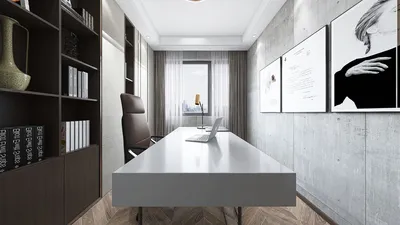


The future continuously converges into the present, and this is particularly evident in single-level homes where the needs of aging individuals intertwine with the constraints faced by young families. According to surveys by the AIA, there is a noticeable increase in the demand for accessible home designs. Meanwhile, data from Houzz indicates that storage solutions and spatial circulation are the top priorities for renovations—ideal for the evolution of a 2-bedroom ranch layout. I shape my designs around a fundamental principle: that a home serves as an interface, with the upcoming operating system characterized by domestic tranquility communicated through light and movement. This is where tools like Homestyler come into play.
Courtyard Spine with Split Bedrooms
Design Concept: A central glazed frame organizes the spaces akin to a version control system—public areas on one side and private areas on the other—making it adaptable for multigenerational needs in the future.
Flow: Starting from the entrance to the mudroom then proceeding to the kitchen hub, followed by the dining area, living room, pocket courtyard, and the primary suite, with a side access to the secondary bedroom and bathroom.
Sightlines: The pathway from the door to the courtyard offers a seamless, quick view; the kitchen maintains visibility to both the living area and the garden, while the bedrooms ensure visual privacy.
Storage: Features include a pantry that extends into the wall, corridor cabinetry that serves as linear storage, and bench drawers positioned in the courtyard for seasonal items.
Furniture Arrangement: Designed to accommodate an 84–96 inch sofa span, a 30x60 inch dining table, and clearances of 36 inches around queen beds, ensuring efficient use of negative space as a resource.
Conclusion: A daylight spine acts as a scheduling hub—offering predictability, tranquility, and adaptability as the requirements for remote work and aging in place evolve.
save pin
Diagonal Living Core with Flex Den
Design Concept: A diagonally oriented living core maximizes space while maintaining a small footprint, future-proofing the layout for versatile use.
Flow: Entry through the carport or garage leads to a drop zone, followed by the kitchen island, a diagonally laid-out living area, and access to the deck; bedrooms branch off in a way that enhances sound isolation.
Sightlines: Corner windows create a layered visual interface: immediate views (task-oriented), mid-range views (social interactions), and distant views (landscape), reducing cognitive load during shifts in activities.
Storage: Features include deep drawers in the island, a wall with 14-inch built-ins in the flex den, and an attic hatch located in the hallway providing cold storage, enabling layered organization.
Furniture Arrangement: Utilizes swivel chairs as routing points and a 9–10 foot distance for optimal viewing of a 65 inch display, while a den desk niche measuring 60 inches accommodates dual monitors.
Conclusion: The diagonal layout is an effective strategy—yielding more visual breadth per square foot—facilitating a hybrid work environment without the need to increase the structure's size.
save pin
Primary Suite as Quiet Server Room
Design Concept: The primary suite functions like a low-noise server—temperature regulated, soundproofed, with neatly organized services along one wall.
Flow: The route from the living area through a short gallery to the bedroom, bathroom, and integrated laundry loop minimizes the travel distance for chores.
Sightlines: Clerestory windows invite natural light while ensuring privacy; in bed, the view emphasizes the garden rather than focusing on screen glare.
Storage: Incorporates a wardrobe wall that is 24 inches deep, linen storage between wall studs, and toe-kick drawers that serve as small caches for daily necessities.
Furniture Arrangement: A king-sized bed fits comfortably with 36-inch space on each side, complemented by floating nightstands to maintain a continuous floor area, and a 48-inch bench providing dressing utility.
Conclusion: By consolidating necessary services, the suite operates efficiently—reducing unnecessary movement, lessening step counts, and paving the way for a future where rest is prioritized within this organized system.
save pin
Final Insight
A 2-bedroom ranch design transcends nostalgia; it represents a single-level framework crafted for accessibility, accommodating hybrid lifestyles and serenity. With features such as split bedroom layouts, diagonal visuals, and privacy akin to a server's functionality, this ranch home operates like a living operating system. Variants, including two-bedroom designs with flexible dens and considerations for aging individuals, prove that the most effective spatial designs are intentional rather than expansive—and based on my experience, small yet thoughtful design choices significantly transform how my clients experience their homes with tools like Homestyler.
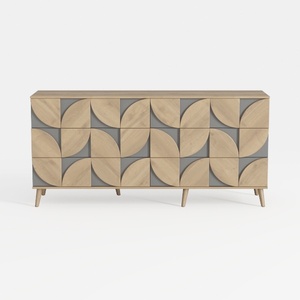
Modern Geometric Pattern Solid Wood Sideboard Cabinet 3D Model

LITTLE TREE 70.8-Inch Large Executive Desk, Modern
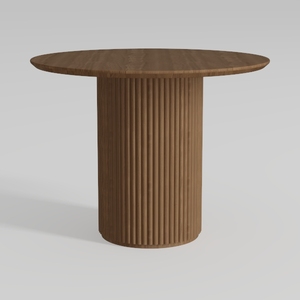
Minimalist Solid Oak Round Fluted Dining Table 3D Model
Homestyler is your go-to online home design platform! With its easy-to-use design tool, stunning 3D rendering, and a wealth of engaging DIY video tutorials, you can effortlessly create beautiful spaces. Whether you're starting a project or seeking inspiration, Homestyler empowers your creativity every step of the way.
Design Now for FREE
































