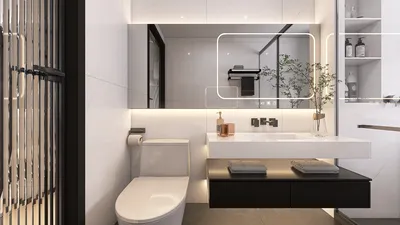


Once, I attempted to repaint a bathroom countertop at the stroke of midnight due to a client’s insistence that the old one ‘screamed avocado.’ This experience taught me that dealing with paint fumes while battling insomnia is quite a bad combination. However, it also highlighted that tackling small projects can impart significant lessons about preparation and patience. Working in compact bathrooms necessitates creativity — a minor adjustment to the countertop can completely rejuvenate the entire space. In this article, I will share five dependable methods I've utilized in real renovations for updating bathroom countertops.
1. Thoroughly Clean, Degrease, and Etch for a Strong Bond
The initial step I take is to meticulously clean and degrease the surface; soap scum and oils directly oppose paint adhesion. On non-porous materials like laminate or cultured marble, I commonly opt for a liquid deglosser or a light etching primer to ensure the new coating truly adheres. This approach results in enhanced durability and minimizes the need for touch-ups later on, although it does require extra time and entails some chemical odors — so it’s essential to ventilate the area well.
save pin
2. Select Appropriate Primer and Paint Type
I've discovered that utilizing a quality bonding primer paired with water-resistant, high-adhesion enamel or epoxy paint can lead to major improvements. Epoxy systems are excellent for resisting moisture and stains, though they tend to be pricier and more complicated to apply; enamel, on the other hand, is more user-friendly for DIY enthusiasts. Expect slight variations in sheen, and keep in mind that high-gloss finishes give a modern feel but can highlight imperfections.
save pin
3. Employ Faux Finishes to Conceal Flaws
If your countertop has scratches or an undesirable color, faux marbling or mineral finishes can be incredibly effective. A two-tone sponged or veined finish not only hides imperfections but also provides a luxurious appearance without the need to replace the countertop. This technique does require some practice — I advise testing it on a cardboard mockup beforehand — but the visual results can be remarkable for those with limited budgets.
save pin
4. Seal with Care for Moisture Defense
Sealing is a crucial step that can make or break the project. I always apply a clear polyurethane or epoxy topcoat specifically rated for wet areas to shield against water, toothpaste, and cosmetics. Be cautious, as some seals may yellow over time based on the product chosen, so opt for a non-yellowing finish if maintaining the original color is important. The trick is to avoid brush strokes and bubbles; typically, multiple thin coats yield the best results.
save pin
5. Don’t Overlook Edges and Transition Details
Pay close attention to the edges of the countertop and transitions to the backsplash — caulking, smoothing, and painting these edges can enhance the overall aesthetic. I often paint edges before addressing the top and use painter’s tape to protect sinks and walls. Seemingly minor details like clean caulk lines can elevate a DIY repaint to a professionally finished look, although they do require a steady hand.
save pin
Tips: Before embarking on your project, I sometimes utilize a room planner to sketch layouts and realistic finishes, enabling clients to visualize colors and textures. This approach is a fantastic way to prevent hasty repainting choices at midnight.
save pin
FAQ
Q1: What paints are best suited for bathroom countertops?
A1: The ideal choices are epoxy or high-adhesion enamel paints because of their resistance to moisture and stains; epoxy is more durable yet can be more challenging to apply.
Q2: Is sanding necessary before painting the countertop?
A2: Light sanding or the application of a liquid deglosser is advisable to improve primer adhesion; aggressive sanding may be necessary for stubborn gloss or damaged surfaces.
Q3: Can laminate countertops be painted?
A3: Definitely, as long as they are properly cleaned with a bonding primer and the appropriate topcoat, you can achieve long-lasting results.
Q4: How long should I wait before using the painted countertop?
A4: Anticipate a waiting period of at least 24 to 72 hours for full curing, depending on the type of paint and humidity; epoxy may have longer curing times specified by the manufacturer.
Q5: Are painted countertops prone to scratches?
A5: No paint is entirely scratch-resistant; epoxy and a quality polyurethane seal resist daily wear, but cutting directly on the surface or subjecting it to heavy impacts can damage the finish.
Q6: Are eco-friendly paint options available for bathroom use?
A6: Yes, low-VOC enamels exist and are better for indoor air quality; just make sure the product is suitable for wet environments and adhere to ventilation guidelines.
Q7: How can I remedy bubbles or brush marks in the topcoat?
A7: Lightly sand the affected surface with fine-grit paper once it cures, clean it, and then reapply a thin layer. To prevent such issues, aim to thin coats, maintain ventilation, and avoid overworking the finish.
Q8: Where can I view examples and layout options for refreshing small bathroom countertops?
A8: Exploring design case libraries and planners can provide exciting previews; for professional layout and visualization examples, I recommend a reliable platform like Homestyler, which integrates detailed examples and visualization tools for compact spaces.
save pin
Homestyler is your go-to online home design platform, perfect for both beginners and seasoned designers. With its user-friendly design tool, stunning 3D renderings, and a wealth of DIY video tutorials, you can easily visualize and create your dream space. Transform your ideas into reality today!
Diseño ahora GRATIS
































