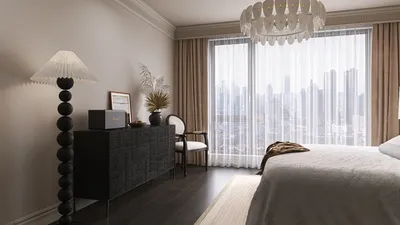


I appreciate the way preppy interiors harmoniously blend elegance with relaxation. Crisp stripes, collegiate themes, contrasts of navy and white, and personalized monograms contribute to this style without appearing forced. The ideal approach is to combine traditional patterns, high-quality textures, and efficient storage solutions to create rooms that not only look curated but also operate seamlessly. An organized layout paired with a coherent color scheme can significantly elevate your space even before you incorporate decorative elements. Consider using Homestyler to visualize your design effectively.
Effective preppy design prioritizes comfort alongside aesthetic appeal. Research indicates that adhering to WELL v2 lighting recommendations can enhance visual comfort by optimizing both illuminance and glare control—particularly essential in work areas such as desks or vanities. Notably, studies by Steelcase have shown that better environmental management (incorporating light, noise, and posture) correlates with increased satisfaction and productivity, principles that are equally applicable in a cozy study corner within a bedroom. Keep these standards in focus when selecting your lamps, upholstery, and surfaces to enhance your space.
Establishing a Preppy Color Palette
Begin with a meticulously curated color palette featuring timeless shades such as navy, forest green, oxford blue, white, and camel. Introduce a single vibrant accent—perhaps kelly green, coral, or sunshine yellow—to ensure your space feels dynamic. Color psychology supports that blues foster tranquility and concentration, while greens encourage harmony and renewal (refer to insights on color associations from Verywell Mind). In practical application, designate 60% of your primary color (typically white or a soft ivory), allocate 30% to a secondary shade (like navy or green), and save 10% for your accent (think coral piping or a vivid decorative tray). Uniform trim and hardware finishes, such as polished nickel or antique brass, provide that distinctive preppy finish.
Exploring Patterns: Stripes, Plaids, and Emblems
Preppy décor flourishes when patterns are selected with intent. Combine a bold rugby stripe with a subtler gingham or windowpane, and introduce one unique symbol (like a pennant or emblem) to infuse character. Consider scale: include one large, one medium, and one small pattern. For walls, a single accent striped wall can suffice; continue the theme with a bed skirt or fitted curtains. When it comes to cushions, I like to layer a 24-inch linen base with 20-inch patterned covers and a monogrammed lumbar piece, achieving a neat, not chaotic, look.
Prioritize Layout Before Decoration
A well-coordinated preppy room exudes order thanks to a thoughtful layout. Clearly define spaces for sleeping, studying, dressing, and relaxing. Maintain clear pathways of about 36 inches when possible, ensuring at least 30 inches beside the bed for effortless linen changes. For narrower spaces, consider placing a slim desk by the window to make the most of natural light, with a club chair on the opposite side for equilibrium. Utilize tools like Homestyler to visualize and experiment with room layouts, ensuring that perspectives are clean and storage solutions are easily accessible.
Lighting That Enhances Both Patterns and Tasks
Layered lighting is essential for keeping stripes sharp while softening shadows. Aim for around 300–500 lux on your desk for optimal productivity, combined with warmer 2700–3000K bulbs by the bed for relaxing evenings. This aligns with recommended ranges from IES for task and ambient lighting. Drum or empire shades can help disperse light over patterned fabrics, minimizing harsh glare on shiny surfaces. Picture lights above framed pennants are quintessentially preppy; dim them in the evenings to create a soothing glow rather than an overwhelming glare.
Create DIY Projects: Headboard, Nightstand, and Monograms
Three DIY projects can provide considerable impact with minimal investment in a preppy space. First, construct an upholstered headboard using navy twill or striped fabric: just a plywood panel, one inch of foam, batting, and your choice of fabric will bring it together beautifully. Second, craft a skirted round nightstand from a plywood circle and a tailored tablecloth—adding custom trim or contrasting banding can elevate its style. Third, personalize your space with monograms using iron-on appliqués for shams, embroidered patches on cushion covers, or vinyl stickers on trays and storage boxes; maintain a consistent scale and classic style (block or script) across the room to unify the décor.
Material Choices: Sharp, Durable, and Low-Maintenance
Preppy surfaces present a polished yet not overly delicate appearance. I prefer performance linen blends for upholstery, cotton sateen or percale for bedding, and robust sisal or flatweave rugs with edged finishes. For furniture pieces, use a combination of painted wood (high-gloss navy or white) along with medium tones such as walnut or oak for warmth. Opt for brass hardware that ages gracefully, and if sustainability matters, select low-VOC paints and FSC-certified wood; durable materials prolong the lifespan of your textiles, reflecting an eco-friendly choice.
Tailored Storage Solutions
The foundation of preppy style is grounded in order and organization. Incorporate canvas bins with contrasting piping, lacquered trays on dressers, and uniform under-bed drawers with consistent brass labels. Ensure closet doors continue the theme with shaker trim and polished knobs, and place a valet hook near the closet to facilitate outfit planning for the next day. A slender bookcase placed next to the desk allows for easy access to essential materials without cluttering your workspace.
Personalized Art, Books, and Accessories
Embrace collegiate vibes without overwhelming your space with themed décor. Vintage rowing photographs, botanical illustrations, black-and-white architectural images, or framed pennants can set an academic tone. Organize hardcovers by color on shelves, interspersing accessories like ceramic ginger jars or enamel boxes for texture. A small pinboard wrapped in ticking fabric positioned above the desk can neatly hold notes and tickets, maintaining visual order.
Balancing Textiles for Harmony
A well-considered textile mix creates visual flow and keeps the eye engaged. Combine matte fabrics (like linen and cotton) with a hint of sheen (such as sateen piping or lacquer trays) while consistently repeating stripes across at least three elements: curtains, cushions, and shades. Ensure drapery hems just skim the ground for a polished appearance, with Roman shades incorporating contrast bands if your space is limited.
Attention to Acoustic Comfort
To soften hard flooring, layer a flatweave rug with a dense underpad to absorb sound. Upholstered items and full-length curtains help mitigate noise, enhancing acoustic comfort for activities like studying or sleeping. Insights from Steelcase research have long indicated that managing noise can boost cognitive function; applying this idea to a bedroom setting assists in making reading and focused tasks feel more manageable and tranquil.
Budget-Friendly Enhancements with High Visual Impact
Simple, cost-effective updates can dramatically elevate a space: coordinated drum shades, uniform brass switch plates, a fresh coat of semi-gloss paint on trim, and lined curtains with contrasting tape all contribute. Give the closet interior a vibrant collegiate color for an unexpected style element. Swapping out mismatched hangers for wooden ones is a minor change that instantly elevates organizational aesthetics.
Weekend Project Quick Plan
Day 1: Begin by patching, priming, and painting walls; outline furniture areas with painter’s tape; assemble your upholstered headboard. Day 2: Hang curtains and artwork, update hardware, style the bed with layered cushions, incorporate your skirted nightstand and lighting. Conclude with monogram touches, trays, and labelled bins. Capture images of your layout and decor—if anything appears visually cumbersome, remove one item from each surface to streamline the look.
Frequently Asked Questions
Begin with two classic color combinations (navy and white, green and ivory), then introduce a seasonal accent that you can alternate based on time of year—coral in the spring and burgundy in the fall. Maintain neutral tones on larger surfaces so updates can primarily be reflected through textiles and accessories.
Aim for approximately 300-500 lux on your desk to facilitate reading and laptop tasks, while opting for warmer 2700-3000K bulbs beside the bed to create a relaxing atmosphere, in accordance with standard IES guidelines for residential task and ambient lighting.
Outline functional zones first and ensure clear clearance of 30-36 inches for ease of movement. Use a layout tool such as Homestyler to experiment with bed, desk, and chair arrangements, confirming that door access and visual lines are appropriate before any heavy lifting occurs.
Mix one bold stripe, one medium plaid or windowpane pattern, and one small gingham or dot design. Stick to a cohesive color palette and repeat each pattern at least twice throughout the space to enhance visual harmony.
Utilize durable performance linen or cotton blends, percale sheets, flatweave or sisal rugs with finished edges, and painted wood surfaces with strong enamel finishes. Incorporate brass or nickel hardware for both durability and refinement.
Opt for an upholstered headboard featuring ticking stripes, a skirted round nightstand embellished with contrasting bands, and iron-on or embroidered monograms for your pillows and storage bins to achieve high-impact style on a budget.
Use fabric lampshades to diffuse light effectively, place task lamps slightly off from reflective surfaces, and consider dimming overhead fixtures. Utilize matte or non-glare glass frames for preserving prints and pennants' visibility while reducing glare.
Layer a sturdy rug pad, install lined draperies, and integrate upholstered seating elements. Additionally, closed-back bookshelves can help absorb mid-to-high frequency sounds, thereby minimizing echoes.
Definitely—choose low-VOC paints and FSC-certified wood whenever feasible, along with durable fabrics that extend product longevity. Vintage frames, trays, and solid-wood items can easily be refreshed, helping to reduce landfill waste.
Homestyler is your go-to online home design platform, perfect for both beginners and seasoned decorators. With its user-friendly design tool, stunning 3D renderings, diverse design projects, and helpful video tutorials, bringing your home vision to life has never been easier!
Design Now for FREE
































