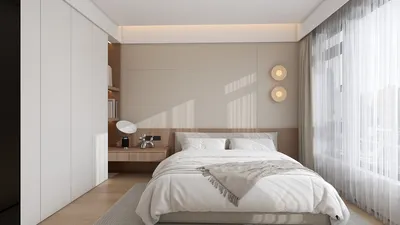


I had a client who envisioned their bedroom as a serene monk's retreat—void of patterns, bright colors, and any sentimental clutter. Initially, I chuckled, but it soon became clear that intentional restraint can be quite captivating when executed thoughtfully. Utilizing a quick visual mock-up assisted them in realizing the beauty of soft linens and warm wooden tones. Personally, I believe that even the coziest of small spaces can spark immense creativity, so here are five practical zen bedroom decor tips I implement with clients. These range from color palette selections to storage strategies. For those looking for layout inspiration, I sometimes guide clients to explore case studies that effectively demonstrate various layout options through actual projects, which can be visualized with tools like Homestyler.
1. Opt for a minimal natural color scheme
I gravitate toward warm neutrals—soft beiges, muted greens, and light off-whites—as they are soothing to the eye and enhance the sense of spaciousness in a room. The benefit is the enduring elegance they exude; however, lacking texture can lead to a monotonous appearance, so I recommend incorporating woven throws, matte ceramics, and wooden elements to infuse depth. A budget-friendly tip: applying fresh paint and selecting a couple of textiles can create a striking impact without overspending.
save pin
2. Layer soft and directional lighting
Harsh overhead lighting disrupts the calming vibe; instead, multiple low-level illumination sources foster the cocoon-like ambiance I strive for. Mixing warm bedside lamps, a dimmable floor light, and subtle wall-mounted LEDs can accent materials rather than clutter. A minor challenge arises in older apartments needing wiring updates—plug-in wall sconces and smart bulbs are my go-to solutions.
save pin
3. Select low-profile, simple furniture to anchor the space
Using low platform beds and minimalist nightstands helps maintain calm sightlines and makes ceiling heights feel more expansive, which is particularly useful for compact bedrooms. The advantage lies in a serene, well-grounded appearance, but the trade-off can involve limited under-bed storage. Therefore, I often pair low beds with shallow drawers or a nearby wardrobe. When clients find it challenging to visualize proportions, I create uncomplicated 3D mock-ups to establish scale and flow, which tools like Homestyler facilitate effectively.
save pin
4. Incorporate natural elements—focus on textures instead of clutter
A single significant plant, a jute rug, or a linen curtain can convey tranquility far better than a cluttered shelf. Natural textures capture light beautifully and impart tactile comfort; however, it’s essential to be realistic about upkeep: real plants require attention, so I suggest low-maintenance varieties or convincing faux options. I once transformed a cramped area into a calming retreat with a singular olive tree and soft hemp curtains on a modest budget.
save pin
5. Foster mindful storage and small rituals
A zen bedroom isn’t merely about emptiness but rather intentional simplicity—conceal technology, keep a neat tray for nightly essentials, and develop rituals like lighting a candle or a quick five-minute tidy-up. The advantage here is sustained calm, while the challenge often lies in habits—clients frequently revert to tossing items on the floor. I suggest a weekly ten-minute reset. For those needing additional visualization before purchasing large items, AI-assisted mood boards like Homestyler can help refine the final appearance.
save pin
FAQ
Q: What colors are ideal for a zen bedroom?
Soft neutrals, muted greens, gentle terracotta, and warm greys create a soothing backdrop. Stick to two primary shades and one accent color for a cohesive atmosphere.
Q: Can one achieve a zen ambiance in small bedrooms without major renovations?
Definitely—fresh paint, strategic textiles, lighting changes, and decluttering can swiftly and affordably transform a space. Emphasize visual calm: hide cables, clear surfaces, and opt for one natural focal point.
Q: Are plants a necessity for zen decor?
Plants contribute life and enhance air quality, yet they’re not essential. Textured fabrics and natural materials can yield a similar feel. If opting for plants, select low-maintenance options such as the snake plant or pothos.
Q: How crucial is lighting for a sleep-friendly zen design?
Extremely important—warm, dimmable lighting cues the body to unwind, whereas bright blue-rich light can be overstimulating. For more insights into light’s effect on sleep patterns, refer to the Sleep Foundation.
Q: Which furniture pieces should I steer clear of in a zen bedroom?
It’s best to avoid oversized, ornate furniture, as well as visual clutter that detracts from the tranquility you wish to create. Choose sleek shapes and multifunctional items to maximize space and maintain tidy surfaces.
Q: How can I maintain a minimalist look without it feeling cold?
Incorporate layers of texture through wool throws, linen sheets, and wood accents, and introduce one warm feature like a ceramic vase or a soft lamp glow. Limit personal items to meaningful pieces displayed thoughtfully.
Q: Does a neutral palette negatively affect resale value?
Generally, a neutral, well-executed design is appealing to a broader range of buyers, as it simplifies personalization. A balanced neutral scheme complemented by quality finishes can enhance perceived value.
Q: Can technology seamlessly integrate into a zen bedroom?
Indeed—concealing televisions, utilizing night-mode settings on devices, and keeping charging stations out of sight helps to minimize visual noise. A dedicated drawer or bedside tray can effectively contain tech while preserving the tranquil atmosphere.
save pin
Discover your inner designer with Homestyler! This user-friendly platform offers an intuitive online design tool, stunning 3D renderings, and a wealth of DIY video tutorials. Whether you're a seasoned pro or a beginner, Homestyler makes bringing your home design dreams to life easy and fun!
立即免费设计
































