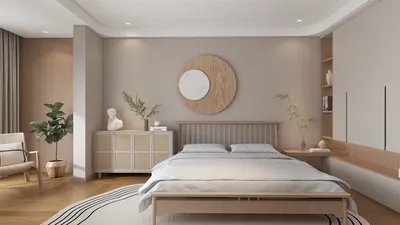


I once had a client who requested a perfect match for a neon-green scuff using a paint pen in such a way that the landlord would overlook it — true story! The pen worked exceptionally well, and we even joked about signing an NDA regarding that wall. Working with small spaces requires creativity: just one minor touch-up can completely revamp the room. In this article, I’ll present five practical ideas for using a touch-up paint pen on walls that I frequently utilize in my projects, from rental properties to staged homes. For compact kitchens, I often draft quick solutions and refer to small-space kitchen adjustments to determine if a pen will suffice.
1. Repair scuffs on rental walls without a full repaint
When a tenant vacates, landlords typically prefer walls to look neat without needing complete repaints; a quality paint pen allows for swift touch-ups of scuffs. The key is to clean the mark first, apply thin layers, and feather the edges to ensure that the gloss and texture blend seamlessly with the surrounding paint. This method is cost-effective and quick, although matching older, faded paints can pose challenges and sometimes requires a light blending coat.
2. Convert chips into subtle decorative accents
I have effectively used paint pens to add small contrast lines or micro-accents around switch plates or shelving — it resembles drawing with an incredibly precise brush. This technique is particularly successful in minimalist environments, where a slender accent line can introduce character without necessitating a complete repaint. Keep in mind that pen ink performs best on matte or eggshell finishes; high-gloss surfaces can reveal streaks if too much ink is applied.
3. Touch up trim edges and door dings while staging
When staging homes, it’s crucial for every door edge and baseboard to look impeccable; a paint pen is my essential tool during showings to conceal nicks. A quick tip: lightly sand the area, cleanse with a tack cloth, then apply thin, even strokes, allowing each layer to dry — this helps avoid varnish-like blobs. If you want to visualize touch-ups in 3D before proceeding, I occasionally create a digital mock-up to ensure the color tone appears correctly in photos.
4. Quick fixes for high-traffic areas
Hallways and children's rooms tend to gather fingerprints and scuffs; I always keep a couple of well-matched pens in my toolkit for rapid repairs between clients. While convenient, pens are not miracle solutions: significant stains or textured walls might still require a small patch and roller touch-up. Financially, using a pen is a minor investment compared to hiring a painter for an entire wall.
5. Experiment with color blends and create mini murals
Before purchasing gallons of paint, I often use pens to test subtle blends, gradient ideas, or intricate mural components on a sample board; this approach conserves paint and prevents disappointment. If a trial shows promise, you can then create a sample swatch area or even make a simple floor sketch to see how the repaired wall will work with the furniture and traffic flow. A word of caution: pens dry differently on primer than on aged paint, so always test on the actual surface when feasible.
FAQ
Q1: Can a touch-up paint pen match every wall color?
A1: Generally, yes, but older paint may fade over time, making exact matches difficult. Begin with a sample and apply thin layers to blend edges.
Q2: How long does paint from a pen last on walls?
A2: With proper surface preparation, paint from a pen can endure for years in low-traffic areas; however, high-contact spots might need reapplication sooner.
Q3: Are paint pens safe for houses with lead-based paint?
A3: If your home was constructed before 1978, handle suspected lead paint cautiously — the U.S. EPA advises that lead-based paint hazards need special procedures and professional management.
Q4: Can I use a pen on textured walls?
A4: Pens are most effective on smooth surfaces; textured walls might exhibit the pen strokes and usually need a small patch and roller for proper blending.
Q5: What finish should the pen match?
A5: Match the sheen of the wall — use matte pens for flat surfaces and eggshell pens for low sheen. Mismatching gloss is a common giveaway.
Q6: Any recommendations for storing unused pens?
A6: Store pens horizontally with their caps securely in place and keep a record of color mixes; some pens may dry out, so label and replace them as necessary.
Q7: Are touch-up pens eco-friendly?
A7: Many pens are solvent-based; check labels for low-VOC alternatives if indoor air quality is a concern. For larger projects, low-VOC rollers and water-based paints are typically preferable.
Q8: When should I hire a professional instead of using a pen?
A8: If the damage is extensive, the texture is intricate, or lead paint is suspected, hiring a painter or conservator is a safer and more durable option.
Tips 1:
For a quick reference, maintain a small sample board with pen swatches, label it with the room and date, and photograph the results in natural light. Simple hacks like this save me time and prevent awkward calls to landlords.
Discover the magic of home design with Homestyler! This user-friendly platform offers a powerful online design tool, stunning 3D renderings, inspiring design projects, and helpful DIY video tutorials. Bring your creative vision to life effortlessly and transform your space into a dream home!
立即免费设计
































