

Once, I installed a low-voltage wall light the wrong way because I trusted the included diagram rather than my instincts — my client humorously remarked that it resembled a little hat. This experience taught me that small details in 12V wall lighting are crucial, and compact areas can inspire inventive solutions. In this article, I will share five practical design inspirations utilizing 12V wall lights in kitchens, bedrooms, and narrow hallways.
1. Streamlined bedside sconces
In a small bedroom, I incorporated slim 12V LED wall lights next to the headboard to maximize the space on the bedside table. They offer focused illumination for reading without causing glare and remain cool — making them ideal for older wooden headboards. A challenge lies in neatly routing low-voltage wiring behind panels, but once accomplished, the result is a sleek, uncluttered look. For quick drafts, I often use a room planner to finalize layout and switch placements, especially when working with Homestyler.
save pin
2. Under-cabinet lighting strips
Installing 12V LED strips beneath kitchen cabinets creates a continuous, warm glow across counters, giving the illusion of a larger gourmet space. They are energy-efficient and dimmable—ideal for late-night snacking. The only drawback can be the initial placement of the transformer; accessibility for maintenance must be a priority. Clients frequently appreciate the transformation and the optical increase in counter space.
save pin
3. Illuminate stairway steps
Embedding low-voltage step lights into stair risers fosters safe, subtle lighting while enhancing architectural appeal. I once persuaded a hesitant homeowner to use soft amber LEDs, resulting in a blend of functionality and drama. Installation demands careful spacing to prevent hotspots, yet the immediate gains in safety and aesthetics are undeniable.
save pin
4. Uplights for narrow hallways
Setting compact 12V uplights at ground level in a narrow corridor enhances the perception of ceiling height and reduces any claustrophobic feelings. They project light upward, highlighting textures on plaster or wallpaper. Some planning is required for wiring runs, and selecting diffusers helps avoid visible beam patterns. In one instance, I optimized a tiny entryway using these uplights alongside a slender console mirror, which also illustrated the potential of using tools like Homestyler for planning.
save pin
5. Backlit bathroom mirrors
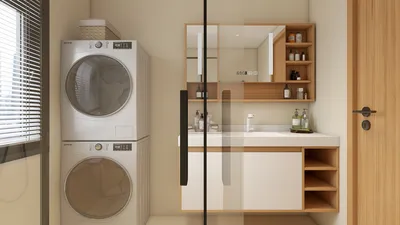
Placing 12V LED strips behind a floating mirror offers flattering, shadow-free light suitable for grooming, while keeping light fixtures out of sight. They generate minimal heat and can be used in damp areas if paired with appropriately rated IP strips. The key is to keep the transformer away from wet zones and concealed within a vanity or cabinet.
save pin
Tips 1:
Budget considerations: 12V systems are usually economical to operate, but it's wise to budget a bit extra for high-quality transformers and dimmers. If you're uncertain about wiring, enlisting an electrician for secure low-voltage connections is advisable. In my experience, I often test designs in a free floor plan creator to visualize the layout before making permanent changes.
save pin
FAQ
Q1: Are 12V wall lights safe for bathrooms? A1: Yes, provided that you select IP-rated fixtures and keep transformers out of wet areas; always adhere to local electrical codes.
Q2: Do 12V lights need specific transformers? A2: Yes, they require a suitable 12V DC or AC transformer or driver; choose one that accommodates the total wattage along with a 20% buffer.
Q3: Can I dim 12V LED wall lights? A3: Most 12V LED systems can be dimmed with the correct dimmable driver or corresponding dimmer, but it's essential to check the LED specifications.
Q4: What is the lifespan of 12V LEDs? A4: Quality 12V LEDs often last between 25,000 and 50,000 hours; longevity varies based on heat management and driver quality.
Q5: Is 12V preferable to mains voltage for small spaces? A5: 12V systems are advantageous due to lower heat output, a reduced risk of accidental touch, and flexible placement options — making them suitable for compact areas — yet they do require a transformer and careful planning.
Q6: Where should transformers be installed? A6: Transformers should be placed in ventilated, accessible locations like under cabinets or in service closets; avoid enclosed spaces that could generate heat, ensuring they have a longer lifespan.
Q7: How can I minimize visible seams or hotspots in LED strips? A7: Use diffusers and appropriately spaced LEDs; selecting high-density strips and conducting on-site tests can help eliminate hot spots.
Q8: Where can I find tools for planning 12V wall light placements? A8: I suggest utilizing dependable online layout resources such as Homestyler or established design case studies; for technical installation advice, check out the National Electrical Code (NEC) or your local authority.
save pin
Discover the joy of home design with Homestyler! This online platform offers an intuitive design tool, stunning 3D renderings, and an array of inspiring design projects. Plus, you'll find helpful DIY video tutorials to guide you every step of the way. Transform your space effortlessly!
Concevez maintenant gratuitement
































