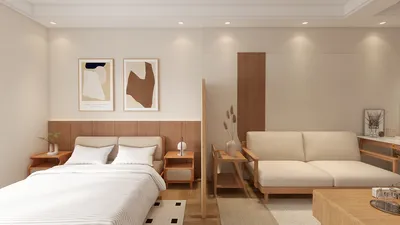


I once attempted to fit a sizable rocker recliner in a studio apartment for a client who insisted on positioning it in front of the only window—what a mistake! The chair obstructed the walkway, the cat claimed the ottoman, and I learned the valuable lesson that accurate measurements always triumph over mere hopes. To help visualize alternatives before making any heavy investments, I frequently present clients with room layout examples to prevent such scenarios. Small spaces can ignite grand ideas, and in this article, I'll share five practical inspirations I've successfully implemented in real projects to ensure a rocker recliner integrates smoothly without transforming your room into an obstacle course.
1. Opt for a Slim-Profile Rocker
For compact spaces, I suggest selecting rocker recliners that feature narrow arms and a small footprint. The benefits are clear: you gain both comfort and movement without introducing a throne-like presence; the trade-off may be slightly reduced padding or fewer power features, but that’s typically an acceptable compromise in a small area.
2. Position It in a Cozy Nook
Utilizing corners or window nooks is a fantastic strategy for placing a rocker—my favorite example was a 320-square-foot apartment where a small rocker established an inviting reading area without impeding movement. This arrangement creates a designated space while keeping the main pathways clear, though you might need a small side table that can fit snugly or consider a floating shelf as an alternative to a bulky end table.
3. Consider Clearance and Swing
It's crucial to measure the reclining path and rocking range—some models only need a couple of inches, while others need significantly more. Typically, I sketch a preliminary floor plan to verify clearance and sightlines before purchasing, as this straightforward practice helps eliminate return issues and delivery complications. A potential downside is realizing that the dream fabric you desire for a compact model might be limited, so planning your fabric selections early is advisable.
4. Emphasize Multi-Functional Pairings
By pairing a rocker with a slim storage ottoman or a nesting side table, you significantly enhance functionality: adding extra seating, concealed storage, and a spot for your beverage. In one project, I replaced a bulky coffee table with a duo of smaller ottomans that could slide under a console—instant adaptability. The key challenge is ensuring the proportions are balanced so that your rocker remains a chair and doesn't contribute to a cluttered furniture arrangement.
5. Visualize Before You Purchase
I often provide clients with simple 3D mock-ups to preview arrangements—seeing the rocker in context is invaluable for decision-making. If digital previews suit your style, consider using Homestyler to generate rapid 3D floor visuals to assess proportions and traffic flow; it’s astonishing how a change in perspective offers such clarity. The only real drawback is that photorealistic renders might lure you toward pricier finishes, so it's wise to maintain a budget framework while you experiment.
FAQ
Q1: What size rocker recliner is optimal for a small room?
Typically, a compact model measuring around 28–32 inches in width works best. Make sure to measure your doorways and the recline arc before making a purchase to avoid surprises during delivery.
Q2: How much clearance is required for a rocker recliner?
You should measure for the fully reclined and rocking positions—generally, expect 6–12 inches behind the chair for the back and 18–24 inches in front if it has a footrest. Some modern designs utilize wall-hugger mechanisms that minimize the necessary space.
Q3: Are rocker recliners suitable for seniors living in small homes?
Absolutely, many compact rockers come with lift or power options designed specifically for older adults, ensuring safety and comfort without occupying excessive space. Always verify the weight capacity and control placement for user-friendly access.
Q4: Can I reupholster a compact rocker to match my small room’s color scheme?
Most smaller models can be reupholstered, though costs can vary; choosing fabrics like performance polyester or treated linen is ideal for frequently used small spaces. Discuss the structure and cushion condition with your upholsterer to ensure the investment is worthwhile.
Q5: Is it advisable to buy new or secondhand for a small-space rocker?
I've discovered that secondhand can offer great deals if the frame and mechanism are in solid condition, but new models ensure accurate dimensions and come with warranties—vital when space is constrained and returns are complicated. When purchasing used, inspect the reclining mechanism and springs carefully.
Q6: How can I prevent a rocker from overwhelming a tiny living room?
To achieve balance, limit the scale of surrounding furniture, opt for light fabrics or slim legs, and maintain clear pathways; visual breathing space enhances the perception of any chair. Avoid large patterned upholstery, as it can dominate in a limited footprint.
Q7: What about maintenance in a compact home?
Select easy-to-clean fabrics and consider removable cushions or slipcovers to simplify upkeep; tight spaces can mean increased wear in certain areas. Regularly inspect the mechanism and bolts—addressing minor issues early is far easier than resolving larger problems down the line.
Q8: Where can I find dependable advice on seating and safety for aging in place?
Authoritative resources, such as AARP’s home modification guides, offer practical advice for seating, clearance requirements, and necessary assistive features (Source: AARP, 'Home Modifications for Aging in Place').
Homestyler is your go-to online home design platform, perfect for transforming your ideas into reality. With its user-friendly design tool, stunning 3D renderings, and a wealth of DIY video tutorials, you’ll have everything you need to create your dream space effortlessly.
今すぐ无料でデザイン
































