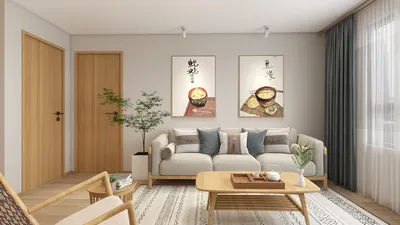


There was an instance when I painted a textured wall in a client's small studio and neglected to tape the outlet—needless to say, the look I received from the electrician still makes me chuckle. This experience highlighted how texture paint can transform constrained spaces into intimate focal points, and how a basic sketch (similar to my tiny studio plan) can prevent many issues before the first brush touches the wall.
Compact areas ignite imaginative ideas, and utilizing texture paint is one of those clever techniques that appear expensive but can be accomplished on a limited budget. Here, I present five practical inspirations for texture paint that I have implemented in real projects, along with insights on advantages, drawbacks, and when to consider hiring professionals.
1. Gentle Sand Finish for Cozy Corners
I’m fond of applying a sand finish in reading nooks because it imparts warmth without overwhelming the senses. It’s quite forgiving—minor imperfections in the walls become less noticeable—but achieving an even mix with sand can be tricky, so always test a small section first.
Budget tip: consider buying premixed sand paint for smaller areas; for a more tailored texture, blend fine sand into high-quality paint and use a roller for consistent application.
save pin
2. Venetian-Plaster-Inspired Smooth Texture
Achieving the polished look of Venetian plaster doesn’t always require a hefty price tag if you use a skim-coating technique and seal it with either wax or matte finishing. The result is a luxurious surface that softly reflects light, giving the illusion of height in narrow spaces.
Caution: attaining an authentic Venetian finish requires some skill—practice on a board first or consider hiring a professional for your statement walls to prevent uneven results.
save pin
3. Rag-Roll for Subtle, Elegant Movement
Rag-rolling is my preferred method when clients desire a gentle pattern without resorting to wallpaper. By dragging a rag through glaze over base paint, you can create a soft, fabric-like appearance—ideal for spaces behind headboards or sofas.
When planning layouts or designating where an accent wall should be, pairing the texture with a scaled plan is beneficial; I often generate a quick 3D floor layout using Homestyler to help clients visualize how the textured wall appears from various angles. Keep in mind, glaze durability can vary, so it’s wise to seal high-traffic zones.
save pin
4. Geometric Tape-and-Texture for Modern Statements
I once convinced a doubtful husband to approve a chevron texture behind the television; now, he’s the one recommending it to others. By using painter’s tape to outline shapes and applying a skip-trowel or sand texture, you achieve sharp, contemporary accents that are surprisingly forgiving.
Challenges include ensuring crisp lines with sharp tape and a lot of patience. If you’re in a rental, consider using removable wallpaper techniques or restricting it to a single removable textured panel.
save pin
5. High-Contrast Knockdown for Drama
A knockdown texture (apply, partially smooth, then knock down peaks) creates depth and shadows that look striking under directional lighting. It’s perfect for entryways or as an accent behind built-ins when you want to achieve a design-savvy look.
Keep in mind: repainting cleanly later can be challenging due to the peaks and valleys, so it’s wise to choose a color scheme you’ll be content with long-term and consider generating a photo-realistic render using tools like Homestyler to preview the final ambiance. For budget-friendly installations, practice the knockdown technique on scrap drywall to refine your skills.
save pin
FAQ
Q1: What is the best paint type for textured walls? I generally suggest acrylic-latex paints for textured surfaces due to their flexibility, durability, and ease of maintenance. In high-wear areas, opt for a washable finish.
Q2: Can I apply texture paint over existing wallpaper? Typically, I recommend removing the wallpaper first; texture adheres best to a well-prepared, primed surface. If the wallpaper is securely attached and the seams are flat, conduct an adhesion test on a small area before proceeding.
Q3: How should I clean textured walls? For light dirt, use a soft brush vacuum or a damp sponge with mild detergent; avoid abrasive scrubbing that can wear down certain raised features. For delicate glazes, spot-test cleaning methods before treating the entire wall.
Q4: Are textured walls suitable for small rooms? Absolutely—subtle textures can enhance depth and warmth without making a room feel smaller; avoid heavy or high-contrast textures on all walls in compact areas to maintain balance.
Q5: How much does texture painting usually cost? Prices can vary greatly depending on the technique and location; simple sand finishes are typically very budget-friendly, whereas Venetian-style or expert knockdown techniques may come at a higher cost. Always obtain at least two quotes if hiring a specialist.
Q6: Is it possible to DIY complex textures like Venetian plaster? You can, but it requires practice and the appropriate tools; I suggest experimenting on a board and watching instructional videos, then deciding if a professional finish would be worth the investment for your standout wall.
Q7: Where can I find technical guidance on texture finishes? For safety and detailed product specifications, refer to manufacturer technical data sheets—many companies provide comprehensive guidance on surface preparation and compatible primers (consult technical bulletins for assistance).
Q8: Do textured walls impact resale value? Taste-specific textures can be divisive; neutral and subtle textures generally enhance perceived quality, while bold or outdated textures might not appeal to every buyer. If in doubt, stick to a single accent wall and keep the remainder simple.
Homestyler is your go-to online home design platform, perfect for transforming your ideas into reality. With an intuitive design tool, stunning 3D renderings, diverse design projects, and helpful video tutorials, you’ll effortlessly create the perfect space, whether you're a beginner or seasoned decorator!
지금 무료로 디자인하세요
































