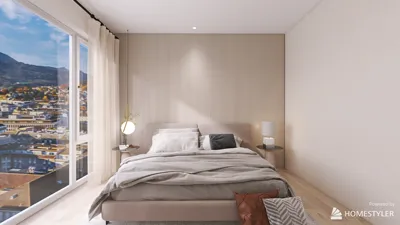


I once had a client who insisted that she required a reclining sectional sofa capable of fitting into a 300-square-foot studio along with her cat's extensive wardrobe. To illustrate the feasibility, I originally sketched a layout on a napkin before I presented a 3D rendering from my Homestyler design tool. This somewhat outrageous request became one of my favorite stories of creative problem-solving.
Small living spaces compel you to think outside the box; maximizing every inch is essential, and the ideal small reclining sectionals can work wonders. In the following, I will present five practical designs I've employed in actual apartments, sharing candid insights about their effectiveness, potential inconveniences, and budget considerations for each option.
1. Slim two-seat reclining sectionals
Envision a loveseat that reclines—it's smaller in size compared to a conventional three-seat sectional yet offers complete comfort. I utilized this type of seating solution in a Brooklyn studio where space optimization was crucial; its slender design allowed for an unobstructed path from the entrance to the kitchenette. The benefits include unobstructed sightlines and easier maneuvering through narrow staircases, but it's important to note that guest seating is limited. To enhance versatility, pair it with a portable ottoman.
save pin
2. Modular reclining loveseats
Modular setups allow for reconfiguration: you can flip a chaise to the left, split it into two loveseats, or combine a recliner with a sofa. I suggested a modular reclining arrangement for a family with a compact living-dining area, achieving seating for five without hindering the dining space. These setups offer great long-term adaptability, but keep in mind that modular features may increase costs and necessitate careful fabric selection for durability.
save pin
3. Corner reclining sectional with built-in storage
A corner sectional that reclines and provides storage beneath the chaise is my go-to choice for small homes in need of both seating and storage solutions. In one project, this design helped eliminate blanket clutter and concealed remote controls. To visualize your layout before making a purchase, using an AI interior design mockup like Homestyler can prevent you from choosing a sofa that obstructs windows. Be cautious, as integrated storage might reduce cushion depth or increase weight, making it harder to move.
save pin
4. Wall-hugger reclining sofas
Wall-huggers are invaluable when you can't pull a sofa away from the wall. They resemble traditional sectionals but require only minimal space to recline. I used this design in a compact loft where the only available wall housed the TV—perfect for the setup. The downside is that they have a different reclining angle, so if possible, test it in-store and select durable fabrics that can endure frequent use.
save pin
5. Convertible reclining sectional-bed
For rooms that serve multiple purposes, a reclining sectional that converts into a bed provides daytime comfort and a genuine bed at night. I once recommended this option for a minimalist client who frequently hosted guests; it saved her significantly compared to buying both a sofa and a bed. These are excellent for hosting, but usually come with a higher price tag and slightly firmer mattress inserts—consider using a mattress topper for a balance of comfort and support. To plan how a convertible sectional fits into your floor layout, utilizing AI home design tools like Homestyler can expedite the decision-making process.
save pin
Tips 1:
Always measure your space precisely and consider traffic flow: visualize the reclining space both mentally and on paper. Choose easy-to-clean fabrics if you have a busy household, and think about delivery challenges (such as narrow hallways and elevator limitations). If you're working within a strict budget, consider purchasing a simple frame now and upgrading the cushions later, as the comfort factor is paramount.
save pin
FAQ
Q1: Are small reclining sectionals comfortable in the long run?
A: Absolutely—many contemporary small recliners utilize similar mechanisms to their larger counterparts. Look for high-density foam and adequate lumbar support; if possible, test the reclining range in person.
Q2: Will a reclining sectional damage my flooring?
A: Recliners can concentrate weight, so it's advisable to use protective pads or a low-pile rug beneath the moving parts. For hardwood floors, felt pads on stationary legs can help prevent scratches.
Q3: How should I measure my space for a reclining sectional?
A: Measure the doorways, elevators, and circulation paths, along with the full length needed when reclined. Ensure a clear path of at least the length of the reclined seating to avoid unexpected obstacles.
Q4: Are reclining mechanisms noisy or require a lot of maintenance?
A: Good-quality mechanisms should operate quietly but may occasionally need lubrication or tightening. Budget-friendly options might creak sooner, so review warranties and user feedback.
Q5: Can I have storage features in a reclining sectional?
A: Yes—many chaises come with lift-up tops and built-in consoles. While they offer additional functionality, they can make the sectional heavier and may reduce cushion depth, so find the right balance between storage and seating comfort.
Q6: Which fabrics are ideal for small reclining sectionals?
A: Performance fabrics that are durable, treated leathers, or microfibers work well for daily use. Avoid ultra-delicate materials in high-traffic areas; choose fabrics that are easy to clean or removable for maintenance.
Q7: How much should I budget for a reclining sectional?
A: Anticipate spending more on compact recliners with quality mechanisms—mid-range models begin in the hundreds, while designer or modular options can go into the thousands. Consider upgrading cushions at a later date to manage costs.
Q8: Are there any professional guidelines available for small furniture arrangements I can refer to?
A: Certainly—industry organizations like the American Society of Interior Designers offer valuable design standards and tips; check out ASID guidance at https://www.asid.org for layout best practices.
save pin
Discover your home's potential with Homestyler! This user-friendly online design platform offers a powerful design tool, stunning 3D renderings, and a wealth of DIY video tutorials. Whether you're a beginner or an experienced designer, transforming your space has never been easier or more inspiring!
Concevez maintenant gratuitement
































