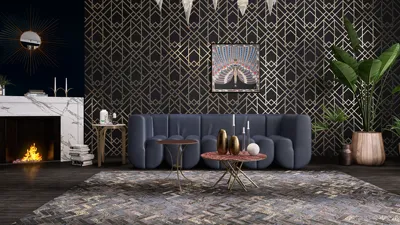


I once assisted a client who wanted to fit a baby grand piano, a full bookshelf, and a fold-out guest bed into a living room measuring just 12 feet by 10 feet. It made me chuckle, but after sketching out three different configurations, we ultimately discovered the perfect solution. If you enjoy experimenting prior to making a purchase, consider creating a visual room mockup using Homestyler—it can save you both time and multiple revisions.
Designing for small spaces is my favorite challenge—constraints often ignite creativity. Here, I will present five practical ideas that I’ve implemented in actual projects to optimally arrange living room furniture in tight spaces, along with candid observations about trade-offs and budget-conscious suggestions.
1. Float the sofa to define zones
Instead of pushing the sofa flat against the wall, try positioning it a foot or two into the space to create a flow path and a cozy conversational area. This approach is especially effective in studio apartments where visual separation between living and sleeping areas is necessary.
Advantages: enhanced flow and a more purposeful layout. Challenges: you might require a slim console behind the sofa for extra surface area, which could limit your options for wall art placement.
save pin
2. Choose multi-function pieces
I have a fondness for storage ottomans and sofas with built-in chaises that can serve as guest beds. In one compact design project, we utilized a lift-top coffee table that provided hidden storage for throws and board games, resulting in a tidy and serene environment.
Budget note: while multi-function furniture may have a higher initial cost, it often replaces two separate pieces, conserving floor space and reducing long-term costs.
save pin
3. Anchor with a rug and scale down seating
Using a slightly smaller rug can effectively anchor the seating area without overwhelming the space. By swapping a three-seat sofa for a two-seater accompanied by a compact accent chair, you can achieve flexible seating arrangements without a cramped feel.
Want to visualize dimensions before making a purchase? I frequently encourage clients to create a simple floor plan to assess furniture sizes and sightlines on an actual grid—eliminating guesswork.
save pin
4. Maximize vertical storage and sightlines
Utilizing tall, narrow shelving provides ample storage without consuming valuable floor space. Keeping lower furniture pieces near windows enhances light and sightlines, as unobstructed views of the outside can make small rooms feel more expansive.
A minor drawback: utilizing tall storage requires careful curation—too many items on open shelves can appear cluttered, so employing baskets or closed cabinets is ideal for concealing less aesthetically pleasing items.
save pin
5. Embrace modular and 3D-tested layouts
Modular sofas, nesting tables, and lightweight chairs allow for easy reconfiguration when guests come over or if you need more floor space. I consistently utilize Homestyler for several 3D arrangements, enabling clients to visualize how movement and sightlines are affected.
For swift visualization, testing realistic 3D layouts before making a purchase can prevent returns and eliminate frustration; you will quickly ascertain whether a piece obstructs the pathway or the TV view.
save pin
Tips 1:
A helpful rule of thumb: ensure a 30–36 inch pathway for main circulation and maintain 18–24 inches between seating and the coffee table. These small measurements make a significant difference in keeping a small living room functional and comfortable.
save pin
FAQ
Q1: What’s the best sofa size for a small living room?
I suggest measuring the longest wall and deducting at least 30 inches for pathways; a loveseat or compact sofa (approximately 60–72 inches wide) typically fits best in very small spaces.
Q2: Should I push furniture against walls?
Not necessarily. While pushing furniture can visually open up the space, positioning key pieces away from the wall can create distinct zones and improve overall flow. It’s worthwhile to experiment with both options in a quick mockup to see which feels more comfortable.
Q3: How can I make a small living room look larger?
Opt for lighter colors, place lower furniture near windows, and ensure clear sightlines. Using mirrors and maintaining consistent flooring also aid in visually expanding the space.
Q4: Are expensive custom pieces necessary for small spaces?
Not at all. Intelligent selections of off-the-shelf modular furniture combined with a few customized elements (like a built-in bookshelf) often strike the best compromise between cost and fit.
Q5: How much clearance do I need around a coffee table?
Aim for a spacing of 18–24 inches between seating and the coffee table, allowing individuals to move around and get up with ease.
Q6: What’s a fast way to test multiple layouts?
Consider using basic sketches, taping the furniture footprint on the floor, or trying out a digital layout. A quick paper-cutout option can save hours spent moving heavy furniture.
Q7: Can lighting improve a cramped living room?
Certainly—layered lighting (ambient, task, and accent) can transform small spaces into more flexible and inviting environments. Positioning lamps to create pockets of light rather than relying solely on an overhead fixture enhances the ambiance.
Q8: Where can I find authoritative design guidance?
Organizations like the American Society of Interior Designers (ASID) provide standards and articles concerning space planning and ergonomics (https://www.asid.org), which I refer to when mapping out circulation and spacing in constrained areas.
save pin
Looking to transform your home? Homestyler is your go-to online design platform! With its user-friendly design tool, stunning 3D renderings, diverse design projects, and helpful video tutorials, you can effortlessly create and visualize your dream spaces. Discover your interior design potential today!
立即免费设计
































