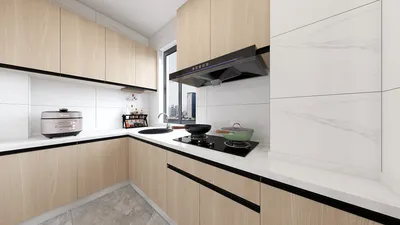


In a recent project, I transformed a closet near the stairs into a functioning laundry nook, all because a client insisted they "didn't want a utility room"—only to later request a folding island. This experience highlighted how small spaces can ignite great creativity, with the first step always being a comprehensive visual room plan. This way, you can avoid the common mistake of purchasing a washer that won't fit through the doorway. Here, I'll share five practical ideas I've successfully implemented in real projects, along with budget tips, trade-offs, and valuable lessons learned along the way, all while considering tools like Homestyler for layout planning.
1. Stack and Conceal: Built-in Washer-Dryer Cabinet
Creating a tall cabinet that conceals a stacked washer and dryer is one of my favorite solutions—clients appreciate the tidy appearance, and I get to play with paneling details. The benefits include a cohesive look and reduced noise levels; however, it requires proper ventilation and often entails a larger budget for custom doors and hardware.
save pin
2. Folding Station That Doubles as a Desk
In a tiny home I remodeled, the need for a workspace and a laundry folding area led me to design a drop-down countertop that functions as a small desk. This design not only conserves space but also provides versatility, making it an ideal laundry solution that can double as a study area. Just remember, the surface material should be durable and water-resistant to prevent any damage.
save pin
3. Vertical Storage & Pull-out Hampers
Vertical storage solutions, such as open shelving placed above the machines, a narrow broom closet, and pull-out hampers that fit into toe-kick space, are my go-to strategies. Using a 3D floor mockup with software like Homestyler allows for quick prototyping of layouts, ensuring you visualize clearances and appliance swings before making any commitments. The challenge lies in striking a balance between accessibility and aesthetics; while open shelves can be visually appealing, they require careful styling.
save pin
4. Utility Sink with Prep Counter
A deep utility sink is often overlooked; it is perfect for tackling tough stains, hand-washing clothes, or even bathing pets. Adding a folding countertop above it creates a multifunctional workspace. However, be mindful that relocating plumbing can increase costs, so it's wise to plan this phase early in your remodel. Opting for a prefab sink can be a budget-friendly choice.
save pin
5. Multi-purpose Mudroom + Laundry Combo
Merging a mudroom with a laundry area offers significant functional advantages—consider benches, hooks, and a small cubby system for organizing footwear and outerwear, while a stacked machine keeps everything centralized. For tighter spaces, I often explore layouts using AI-driven design tools, like Homestyler, to experiment with various configurations swiftly. However, maintain human oversight on finishes to avoid a cluttered appearance in high-traffic areas.
save pin
FAQ
Q1: How much does a laundry room remodel typically cost?
A basic update, such as painting or adding shelving and countertops, can range from a few hundred to several thousand dollars. In contrast, a comprehensive remodel involving plumbing, new appliances, and cabinetry usually costs several thousand to tens of thousands, depending on the chosen finishes and overall scope of work.
Q2: Can I put a washer and dryer in a closet?
Absolutely—enclosed closets can house stacked units, but it's essential to ensure proper ventilation, maintain clearances, and provide maintenance access or consider adjacent access panels for convenience.
Q3: What’s the best flooring for a laundry room?
I suggest using waterproof and durable materials like porcelain tile or luxury vinyl planks. These options not only withstand moisture well but are also easier to maintain compared to natural wood in damp environments.
Q4: Do I need a floor drain in the laundry room?
A floor drain isn't always necessary, but it can be a valuable safeguard in basements or utility rooms prone to leaks. Local regulations vary, so it's advisable to consult a plumber or your building department before making any decisions.
Q5: How do I reduce noise from the washer and dryer?
To minimize noise, place machines on vibration-absorbing pads, use insulated cabinetry, and avoid positioning them on a second-floor platform unless you enhance structural support and soundproofing.
Q6: What appliances are most energy-efficient?
Seek out ENERGY STAR certified washers and dryers, as these models utilize substantially less water and energy, resulting in reduced operating costs over time, as highlighted by ENERGY STAR (https://www.energystar.gov).
Q7: Is it worth hiring a designer for a small laundry remodel?
Definitely. Engaging a designer can help you maximize functionality and prevent costly errors; even a brief design consultation can save both time and money by ensuring accurate measurements and an efficient layout plan.
Q8: How do I handle ventilation in a laundry/mudroom combo?
Ensure there is an effective exhaust pathway for the dryer and adequate airflow to prevent moisture buildup. If the space lacks windows, consider employing a ducted dryer supported by an inline fan or dehumidifier to maintain moisture control in the long run.
save pin
Discover the magic of home design with Homestyler! This user-friendly online platform offers an intuitive design tool, stunning 3D renderings, and a treasure trove of design projects and DIY video tutorials. Transform your space effortlessly and unleash your creativity today!
Design Now for FREE
































