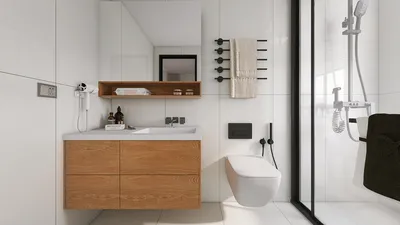


I once attempted to cover a coffee spill with a fresh coat of satin paint, which ended up teaching me a valuable lesson: satin has a tendency to showcase imperfections that might have been missed during sanding. That incident instilled in me a deep respect for the importance of surface preparation. Since then, I've come to appreciate how a satin finish can subtly enhance the ambiance of a room. If you're looking to experiment visually prior to making a commitment, you might find it helpful to visualize wall finishes in 3D using tools like Homestyler to circumvent any unexpected results.
Small spaces often ignite grand ideas — with a satin finish, a compact room can appear clean and slightly luminous without the glossy sheen being overly pronounced. Below are five practical satin paint ideas that I often share with clients, complete with pros and cons along with cost-effective tips drawn from real-life projects.
1. Soft Reflective Accent Wall
Applying satin paint on an accent wall where light strikes directly is one of my favorite techniques; it adds subtle depth and a gentle reflection without becoming overly bright. The advantage is a luxurious appearance that harmonizes well with light fixtures; however, it's important to note that satin does have the potential to reveal drywall imperfections, so be sure to patch and sand ahead of time.
Tip: opt for a slightly darker shade than you initially consider — satin tends to enrich color perception. If you’re on a budget, a 20cm x 20cm sample patch can help you see how the sheen and color evolve from day to night.
save pin
2. Durable, Washable Hallways
Hallways endure a lot of wear and tear, making satin one of my preferred finishes in these spaces due to its ease of cleaning compared to eggshell. It brightens narrow corridors and cleans up smudges well, though extremely high-traffic areas might still benefit from using semi-gloss for trims.
Pro tip: use satin for the central area and complement it with a higher-sheen trim to withstand constant scuffs. I’ve discovered that a mid-range satin paint offers a great balance between durability and affordability.
save pin
3. Elegant Kitchens with Practical Finish
In kitchens, I frequently endorse the use of satin finish since it handles splashes better than matte options and maintains a warm, inviting look that pairs beautifully with wooden cabinetry. However, in very greasy kitchens, a more frequent cleaning schedule will be necessary, and some lower-quality satin paints may yellow over time due to high heat exposure.
Regarding budget, selecting a kitchen-friendly satin paint and sealing any bare patches with primer can save you from excessive touch-ups later — and it's wise to test it on a small area after cooking for a week. If you're reworking layout and finishes, it can also be beneficial to test colors alongside mock-ups of cabinets or quick floor layouts to ensure a pleasing flow and contrast.
save pin
4. Bold Color in Tiny Rooms
I once persuaded a client to use a rich teal satin in a small powder room, and the outcome was intimate rather than cramped — the slight sheen created an illusion that made the surfaces recede enough. Satin helps dark hues appear sophisticated, although it may bring attention to textural irregularities on older plaster surfaces.
If you love vibrant shades but are worried about making mistakes, consider applying satin only to upper walls or ceilings initially, saving the lower areas for wipeable paint or beadboard. A single coat of satin over a good primer can often suffice, thereby saving both time and money.
save pin
5. Subtle Two-Tone with Chair Rail
Combining satin paint on the lower portion of a wall with matte above it creates a pleasing balance of durability and softness; the satin is capable of withstanding wear and is simpler to clean in high-use areas. The small trade-off involves matching the sheens at the joint, though a sharp chair rail or careful brushwork can elegantly conceal the transitions.
When it comes to space planning or aligning cabinetry, I typically advise optimizing narrow kitchens using a coordinated satin palette so that all surfaces appear cohesive and simplified to maintain.
save pin
FAQ
Q1: Is satin paint good for walls?
I find satin to be very effective as it manages to strike a balance between ease of cleaning and a gentle sheen. It is particularly suitable for medium-traffic areas as well as accent walls, although very rough surfaces may necessitate extra preparation work.
Q2: How does satin compare to eggshell or semi-gloss in terms of durability?
Satin is more durable and easier to clean than eggshell paint, yet it is somewhat less robust than semi-gloss. For trims and areas that experience significant moisture, semi-gloss remains the preferred option.
Q3: Will satin paint highlight surface imperfections?
Satin can emphasize bumps and sanding marks more than a matte finish, making thorough patching and light sanding prior to priming essential. I always recommend a thin skim coat on older plaster if the budget permits.
Q4: Can satin paint be utilized in bathrooms?
Satin can be suitable for bathroom applications if there is adequate ventilation; for shower surrounds or areas prone to constant moisture, opting for higher-sheen or specialized mildew-resistant formulations is advisable. Always use a mildew-resistant primer in moisture-prone areas.
Q5: How should I apply satin paint for optimal results?
Utilize a high-density roller and a quality brush, maintain a wet edge, and plan for applying two thin coats instead of one heavy application. A good primer is essential on repaired or porous surfaces.
Q6: Are satin paints safe for indoor air quality?
There are plenty of low-VOC and zero-VOC satin options available, which help minimize indoor pollutants. For information about VOCs and their impact on indoor air quality, see the EPA guidelines on volatile organic compounds: https://www.epa.gov/indoor-air-quality-iaq/volatile-organic-compounds-impact-indoor-air-quality.
Q7: What colors work best with satin finishes?
Rich jewel tones, muted mid-tones, and warm neutrals all look stunning in satin; the sheen enhances color perception. Be sure to test samples at various times of the day to observe how light influences the final appearance.
Q8: Any quick professional tips for DIY enthusiasts?
Always prime patched areas, sand between coats if you are undertaking dramatic color shifts, and test in a small section first. If you wish to visualize how the paint interacts with the room, tools like Homestyler can help you explore different wall finishes before purchasing full gallons.
save pin
Homestyler is your go-to online home design platform! With its user-friendly design tool, stunning 3D renderings, and a wealth of DIY video tutorials, you can easily create and visualize your dream spaces. Transform your home design ideas into reality today!
Projete agora para LIVRE
































