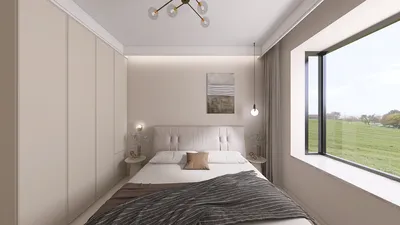


I once made a blunder by installing a linear wall light upside down in a client's petite hallway—the brightness hit straight into their eyes, and they humorously referred to it as my ‘avant-garde’ moment. This experience taught me two important lessons: attention to detail is crucial, and working with small spaces sparks creativity. In this article, I’ll present 5 practical design concepts featuring linear wall lights that I've successfully implemented in various projects—these solutions save space, enhance ambiance, and cleverly conceal my less-than-graceful decisions.
1. Illuminate pathways, not just walls
Instead of haphazardly placing a linear fixture, I prefer to align it along the movement paths—whether it's above a low console or parallel to a corridor. This strategy visually elongates the area and eliminates the need for bulky floor lamps. The result is a clean, gallery-style aesthetic; however, the challenge lies in coordinating the mounting height to prevent glare from being seen.
save pin
2. Accentuate mirrors with slim linear fixtures
Surrounding a bathroom or dressing mirror with slender linear wall lights provides flattering, uniform illumination for grooming. I employed this method in a tight ensuite, and the client was thrilled with the hotel-inspired effect. When budgeting, opt for LED strips behind diffusers to keep expenses reasonable; just ensure the wiring behind the mirror is neat and even.
save pin
3. Cultivate layered ambiance with dimmable fixtures
By combining a linear wall light with overhead and task lighting, you can create depth in small living spaces. I usually suggest dimmable drivers, allowing the same fixture to shine brightly for cleaning or dimly for movie nights. Be aware that dimmer compatibility with LEDs can be tricky—always test before the final installation.
save pin
4. Use as accents to showcase textures
Linear wall lights are ideal for highlighting textured walls or wooden paneling, revealing shadows and the richness of materials. I revived a dull studio once by adding a low-mounted linear fixture to emphasize reclaimed-wood panels—instantly adding character. The downside: you'll need a slightly higher lumen output to appreciate the texture without hotspots.
save pin
5. Integrate lighting into shelving and niches
Installing linear lights under floating shelves or inside recessed niches transforms storage into a stylish feature. In a kitchen renovation, I incorporated warm-toned linear lights under open shelves for an inviting ambient glow while prepping—both practical and beautiful. The primary challenge is discreet power routing; planning during the cabinetry phase simplifies installation.
save pin
Tips 1:
When planning and visualizing placements, I often create a 3D mockup to check angles and glare before making any cuts. For a fast layout mockup, consider using the 3D floor planning feature of Homestyler to visualize positions in your space. Additionally, opt for CRI 90+ LEDs for accurate color rendering, and ensure wiring remains accessible for future modifications.
save pin
FAQ
Q: What applications are ideal for linear wall lights?
A: They are excellent for accentuating architectural features, illuminating circulation routes, and providing even lighting for mirrors in small areas.
Q: Are linear wall lights energy-efficient?
A: Indeed—most contemporary linear fixtures utilize LED technology, delivering high lumens per watt and boasting a long lifespan.
Q: Is it possible to dim linear LED wall lights?
A: Many can be dimmed, but it's essential to verify compatibility with the driver and dimmer, and to test before the final installation to prevent flickering.
Q: What color temperature should I select for my lights?
A: For living spaces, 2700–3000K provides a warm and inviting atmosphere; 3000–4000K is better suited for work areas like kitchens and bathrooms.
Q: How can I minimize glare from linear wall lights?
A: Position them at a height and angle that conceals the light source behind a diffuser, or utilize indirect grazing mounts.
Q: Are linear wall lights appropriate for bathrooms?
A: Absolutely; just ensure you select fixtures rated for damp locations and place them strategically to avoid direct light reflections in the eyes.
Q: Where can I experiment with layout ideas in 3D before purchasing fixtures?
A: Leverage a free floor plan creator like Homestyler to visualize light placements and sightlines according to your actual room dimensions.
Q: Where can I find authoritative guidance on lighting standards?
A: For recommended illuminance levels and best practices, refer to the IES (Illuminating Engineering Society) standards found at https://www.ies.org/ — they provide industry-approved references.
save pin
Homestyler is your go-to online home design platform! With its user-friendly design tool, stunning 3D renderings, and a wealth of inspiring design projects and video tutorials, you can effortlessly create and visualize your dream home. Perfect for both beginners and seasoned designers alike!
立即免费设计
































