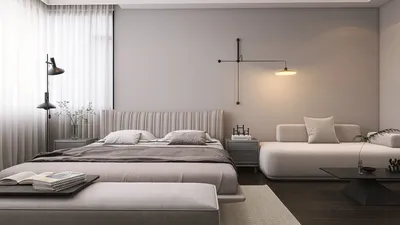


I once installed a chandelier incorrectly because I was sidetracked by a client who insisted their cat required a "viewing spot" in the dining room—this is a true story. That little incident taught me a critical lesson: lighting serves both as an intricate detail and a dramatic element, especially in compact spaces where it can greatly influence the overall ambiance. Small dining rooms challenge your creativity; they invite thoughtful layers of illumination and innovative fixtures. In this article, I’ll share five practical lighting strategies that I employ in actual projects to enhance dining areas, making them appear larger, warmer, and more inviting while utilizing tools like Homestyler for planning.
1. Statement Pendant with Dimmer Control
My go-to solution for almost every dining setup is to hang a striking pendant low above the table, equipped with a reliable dimmer. This pendant serves as the centerpiece and regulates the atmosphere—bright enough for family dinners and softened for intimate date nights. The advantage lies in its straightforward installation and significant visual impact, while the downside may include potential harsh shadows if the bulb or shade is improperly chosen. Pro tip: opt for a diffuser and position the pendant approximately 30 to 36 inches above the standard dining table for an even light distribution.
save pin
2. Combination of Ambient and Task Lighting
I consistently recommend integrating ambient ceiling lighting with task lighting adjacent to a buffet or bar area. Ambient light (whether in the form of recessed lighting or a subtle ceiling fixture) offers uniform illumination, while task lamps or wall sconces contribute practicality. This method avoids the undesirable "spotlit island" effect and enhances the spacious feel of a compact dining area. Although it can be slightly more expensive and requires careful planning for the switches, the benefit in functionality is substantial. To aid in layout planning, many designers utilize a room planner, such as Homestyler, to design fixture arrangements before making any installations.
save pin
3. Concealed LED Strip Lighting
LED strips installed discreetly under shelving, behind crown molding, or alongside built-in benches provide a gentle glow that enlarges the space visually. I recently implemented strips in a small flat beneath a banquette, and my client remarked that the room felt "more airy and cinematic." LEDs are known for their energy efficiency and low profile; however, the challenge lies in neatly concealing the channels and selecting the appropriate color temperature—warm (2700–3000K) for dining areas. If you want to visualize the effects of linear lighting in 3D, consider using the 3D floor planner like Homestyler to see lighting interactions firsthand.
save pin
4. Dramatic Chandelier for Vertical Interest
When ceiling height permits, installing a cascading chandelier introduces vertical charm and draws the eye upward, creating a perception of height in the room. I once featured a tiered lighting fixture in an intimate dining area with a double-height ceiling, instantly elevating its glamour. While the plus is an eye-catching design that serves as a strong visual anchor, the downside can be the scale—selecting a fixture that is overly large can dominate the space, while one that is too small may get lost. Always measure: the diameter of the chandelier should ideally range from half to two-thirds of the table width.
save pin
5. Smart Lighting Controls and Color Temperature Management
Smart bulbs and preset lighting scenes allow for swift transitions from bright cooking spaces to cozy dining environments with just one tap or voice command. I often set specific scenes such as "Family Breakfast," "Dinner Guest," and "Cleaning" in numerous homes, which clients appreciate for their convenience. The initial setup can be complex due to ecosystem compatibility, but once established, it streamlines daily routines and extends the lifespan of the bulbs through scheduled dimming. For a quick mockup of different lighting scenes, designers may utilize AI design previews to assess how varying color temperatures influence materials.
save pin
FAQ
Q: What color temperature is optimal for dining rooms?
A: Generally, warm white (2700–3000K) is ideal for dining spaces as it enhances skin tones and fosters a cozy environment. Cooler temperatures can appear clinical, making them more suitable for work areas.
Q: What height should I hang a pendant lamp over the dining table?
A: For standard ceilings, suspend the pendant 30 to 36 inches above the tabletop, adjusting it slightly higher for taller ceilings to maintain proportion.
Q: Can recessed lights serve as the sole light source in a dining room?
A: They can, but relying solely on recessed lights typically results in a flat effect; adding a focal pendant or wall lights enhances the overall ambiance.
Q: Is dimming necessary for dining areas?
A: Yes—dimming adds flexibility and prolongs bulb life. Installing a dimmer switch is one of the most impactful upgrades for mood management.
Q: How should pendant size relate to table dimensions?
A: A pendant cluster or single fixture should cover about half to two-thirds the width of the table to ensure visual harmony and adequate illumination.
Q: Are smart lighting solutions worth the cost?
A: For many, they are beneficial; scheduling and scene management enhance convenience and can lead to energy savings. Ensure your selected system is compatible with your home’s hub or voice assistant.
Q: How can I mitigate glare from a chandelier or pendant?
A: Employ diffusers, frosted glass, or lower-wattage LEDs, and position the fixture to reduce direct line-of-sight exposure. Utilizing a dimmer also aids in glare control.
Q: Where can I find reputable lighting standards for residential areas?
A: The Illuminating Engineering Society (IES) publishes guidelines regarding recommended light levels and practices; refer to IES publications for precise standards (https://www.ies.org).
save pin
Discover the ease of home design with Homestyler! This online platform offers a user-friendly design tool, stunning 3D renderings, and a wealth of inspiring design projects alongside helpful video tutorials. Transform your space effortlessly and unleash your creativity today!
Zaprojektuj teraz za darmo
































