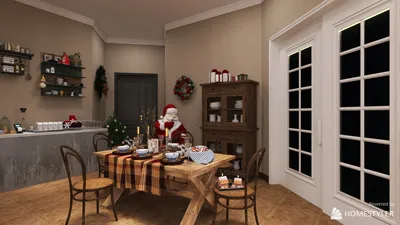


Once, a client requested me to paint their compact galley kitchen in matte black, reasoning that 'dark hides everything.' Accepting this challenge, I soon discovered much about the interplay of lighting, reflections, and how bold color choices can either enhance or overwhelm a space. To explore different color combinations before making a final decision, I typically start with a visual kitchen mockup, which helps visualize how shades, cabinetry, and illumination work together, especially when using tools like Homestyler.
Small areas are my creative sanctuary—they stimulate both clarity and inventiveness. Here, I present five practical kitchen wall paint ideas that I commonly apply in my projects, complete with concise tips, honest considerations, and budget-friendly advice.
1. Striking Accent Wall in Satin Finish
Choose a single wall—often behind open shelves or in the breakfast nook—and make a bold statement: consider rich hues like deep teal, charcoal blue, or warm terracotta. A satin finish is advantageous for kitchens as it cleans easily compared to flat paints, ensuring your accent remains sharp with minimal effort.
This approach is quick and impactful; however, it can feel heavy in dimly lit rooms. My solution is to keep the trim and cabinetry in lighter neutral tones, allowing the accent to feel deliberate rather than overwhelming.
save pin
2. Subway-Tile Paint Effect
For those captivated by the subway-tile aesthetic but constrained by budget, consider painting a grout grid over a neutral backdrop for a tiled illusion. Apply a semi-gloss for the 'tile' rows and a slightly flatter sheen for the grout lines to reflect light like actual ceramic tiles.
This method is cost-effective and surprisingly convincing from a distance, though be prepared for scrutiny; it works best in lower-traffic areas where the visual trick can be appreciated.
save pin
3. Gentle Pastels to Create Space Illusion
Soft greens, pale blues, and light blush shades can make a small kitchen be perceived as larger and more serene. Pastels naturally reflect light and pair beautifully with white cabinetry or natural wood details.
Before making a decision, I suggest using a digital mockup to avoid any unexpected results; for example, a realistic 3D rendering helped convince a hesitant client that a blush-green hue would appear warm rather than childish. While pastels are generally forgiving, they can wear in high-traffic areas, so selecting a robust finish is key.
save pin
4. Dynamic Two-Tone Walls
Two-tone walls—a darker shade beneath a chair rail or a painted half-wall capped with a lighter hue above—immediately add structure and can conceal scuffs from everyday use. Recently, I used a washable mid-tone for the lower half and a matte white above in a remodel; the result was both custom-looking and durable over time.
The only drawback is precision: ensure measurements and taping lines are flawless, or the result might appear unprofessional. Nonetheless, it's an intelligent solution for families seeking both aesthetics and longevity.
save pin
5. Chalkboard or Magnetic Paint Area
Allocate a small wall or backsplash strip for chalkboard or magnetic paint—ideal for jotting down notes, menus, or showcasing kids’ artwork. I once converted a pantry door into a weekly meal planner, and the family actively utilized it weekly.
This option is playful yet practical; however, it can appear casual. Limit it to one area and combine with more polished finishes elsewhere to achieve maximum enjoyment without cluttering visuals. For those interested in assessing layout changes and how a painted feature integrates with cabinets, consider a quick room layout test using platforms like Homestyler for scale and balance.
save pin
FAQ
Q: What is the best paint finish for kitchen walls? A: Typically, satin or eggshell finishes are ideal for kitchen walls due to their balance of washability and subtle sheen. In high-use areas like behind stoves or sinks, a semi-gloss is preferable because it withstands wear better and is simpler to clean (Source: Sherwin-Williams, https://www.sherwin-williams.com/).
Q: Can dark colors be used in a small kitchen? A: Absolutely—dark colors can provide a cozy and sophisticated feel when complemented by adequate lighting and lighter cabinetry or reflective elements. Opt for an accent wall rather than covering all four walls if natural light is limited.
Q: How can I accurately test paint colors? A: Paint sample patches of approximately 12x12 inches on different walls and observe them at various times throughout the day. Since lighting affects perception significantly, try to live with samples for a few days before making a decision.
Q: Are there paint types that resist grease and stains? A: High-quality acrylic paints with satin or semi-gloss finishes tend to resist stains and are easier to clean. For areas that face heavy oil splatters, look into washable, scrubbable formulas specifically designed for kitchens.
Q: Will pastel walls make my kitchen look outdated? A: That’s unlikely if you choose muted, contemporary pastels and pair them with modern hardware and simple lines. Vibrant or overly sweet pastels might feel dated, so stick to softer, grounded tones.
Q: What are the typical costs of painting a kitchen? A: Costs can differ based on region and preparation work, but generally, painting a small kitchen is one of the most economical renovations—often requiring just a few hundred dollars for paint and supplies; this increases if you hire professionals for prep and multiple coat applications.
Q: Is it possible to paint over tile safely? A: Yes, with proper cleaning, sanding, and using the right primer/epoxy paint system, tiles can be painted for an updated look. However, it’s a temporary solution—tiles may chip over time, so consider this method for lower-traffic areas or rental updates.
Q: How do I select an accent wall color? A: Choose a color from an existing feature (such as a backsplash, artwork, or the veining in countertops) to keep the overall palette harmonious. Test that color against varying light conditions and combine it with neutral tones to allow it to stand out without overwhelming the space.
Discover the magic of home design with Homestyler! This user-friendly platform offers a powerful online design tool, stunning 3D renderings, and a wealth of design projects and DIY video tutorials. Transform your ideas into reality, no experience necessary!
Progetta ora GRATIS
































