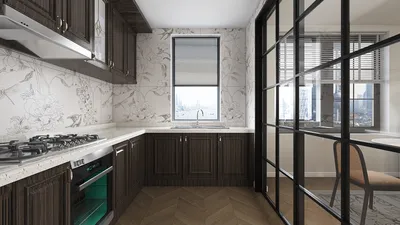


I once decided to conceal the trash bin behind a cabinet door to maintain a neat kitchen appearance — until my cat discovered the hiding spot and turned it into a garbage buffet. This taught me two important lessons: concealment works well until it hampers accessibility, and limited space requires smarter decisions. If you're reconsidering your layout, starting with a pull-out trash drawer could be a great option, especially when utilizing design software like Homestyler for visualization.
Working with small spaces can ignite significant creativity, and over the years, I have implemented numerous successful strategies. Here, I share five practical kitchen trash bin solutions based on real projects, highlighting their advantages, minor challenges, and quick tips to help you avoid the pitfalls I experienced with my cat.
1. Pull-out trash drawer
This is my preferred choice when clients desire a clean aesthetic without compromising accessibility. A drawer-style bin effectively hides odors and keeps the floor uncluttered, and it works harmoniously with under-counter recycling systems. However, you must ensure that there is sufficient cabinet width and quality drawer hardware — remember to budget carefully for soft-close slides.
save pin
2. Tilt-out sink cabinet bin
Tilt-out bins placed in the toe-kick or beneath the sink are perfect for situations where cabinet depth is shallow. They are cost-effective and excellent for daily trash disposal, but be mindful of the plumbing and ventilation to prevent moisture buildup. I once added a removable liner to simplify cleaning.
save pin
3. Integrated cabinet bin with sorting stations
For clients committed to recycling, I advocate for an integrated cabinet bin that includes various compartments — containers for glass, plastics, and compost. This requires more thoughtful layout planning but significantly enhances daily convenience; I utilize space-saving trash solutions in my designs to visualize door swings and ensure compatibility with nearby drawers.
save pin
4. Slim pull-out or wall-mounted bins
When width is limited, a slim pull-out bin located between the oven and counter, or a wall-mounted bin near food prep areas, can help manage waste without occupying storage space. These solutions are ideal for compact galley kitchens, though their capacity may be restricted; pairing them with a small countertop compost catcher for food scraps can be effective.
save pin
5. Decorative freestanding bin with odor control
Not every solution needs to be hidden away. A stylish stainless steel or matte finish bin can seamlessly integrate into your kitchen design, especially one equipped with a sealed lid and a charcoal filter. I prefer using a freestanding option in open-plan kitchens where retrofitting cabinets isn't feasible — it's versatile, easy to replace, and complements a compact recycling station for effective sorting.
save pin
FAQ
Q1: What size trash bin is ideal for a small kitchen?
For one or two occupants, a 10–13 gallon (38–50 L) bin typically suffices; larger families may require bigger or dual-bin solutions. Additionally, consider the frequency of trash pickup and food waste generation when selecting the right size.
Q2: How can I manage odors in hidden bins?
Utilize sealed lids, replaceable charcoal filters, and washable liners. Frequently empty wet waste and place a small baking soda sachet at the bottom for enhanced odor control.
Q3: Is it feasible to place a compost bin under the sink?
Yes, but it's crucial to ensure proper ventilation and use a lined bucket that can be easily removed for outdoor composting or disposal. For guidance on food scraps, check the composting tips provided by the EPA (https://www.epa.gov/recycle/composting-home).
Q4: Are pull-out bins difficult to install?
They require precise cabinet measurements and high-quality slides; a skilled carpenter or installer can typically complete the task within a few hours. Pre-made kits simplify DIY installations, but remember to double-check your measurements before purchasing.
Q5: How can I incorporate recycling into a compact kitchen?
Consider using vertical solutions such as stacked bins, slim containers, or a small sorting tray within a deep drawer. A single dual-compartment bin can greatly enhance sorting capabilities without taking up much space.
Q6: What budget should I allocate for an integrated cabinet bin?
Plan to spend more for an integrated solution compared to a freestanding bin — the budget can range from modest (around $100–200 for kits) to premium systems that can exceed several hundred dollars, plus installation costs. Consider the long-term benefits and convenience when making your choice.
Q7: How often should I clean kitchen bins?
To prevent odors and bacteria buildup, wipe or rinse liners weekly and perform a deep clean of the bin monthly using hot, soapy water or a mild vinegar solution. Replace charcoal filters as recommended by the manufacturer.
Q8: Can I combine compost and recycling in one system?
Yes, this is possible with multi-compartment bins designed for separation. Ensure that compost is kept in a sealed, ventilated container and emptied regularly to avoid pests and unpleasant odors.
save pin
Discover the ease of home design with Homestyler! This online platform offers a user-friendly design tool, stunning 3D renderings, and a wealth of design projects and video tutorials. Perfect for anyone looking to transform their space creatively and effortlessly!
تصميم الآن مجانا
































