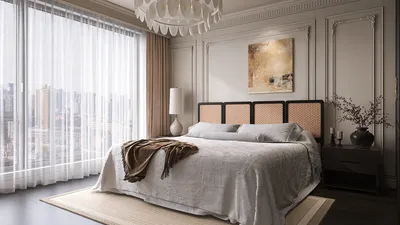


I once made the mistake of installing an outdoor sconce upside down because the instructions indicated "mount this way" — a rainy night quickly showed me that not all fixtures can handle the elements. This lesson reinforced the idea that minor exterior modifications can significantly enhance or detract from curb appeal. Often, small spaces and simple walls inspire the most imaginative solutions. Here, I’d like to share five practical ideas for exterior wall-mounted LED light fixtures based on real projects I've undertaken, and how tools like Homestyler can assist in visualizing them.
1. Slim rectangular wall sconces for contemporary facades
I am particularly fond of slim rectangular LED sconces for modern residences; they provide a clean, vertical wash of light, bringing out the textures of stucco or stone. These fixtures are energy efficient, long-lasting, and excellent for concealing wiring in narrow seams. However, they may appear too minimalist on more ornate façades, so it’s essential to test the beam width to avoid creating harsh hotspots.
save pin
2. Lantern-style LED fixtures for transitional homes
For homes that bridge traditional and modern styles, lantern-style LEDs provide charm without compromising on efficiency. I’ve specified frosted LED modules housed in classic frames for a warm glow that eliminates the need for incandescent bulb maintenance. Just ensure they have the correct IP rating for wet locations, and be prepared to compromise on historical accuracy if replacing original fixtures.
save pin
3. Recessed wall lights for steps and pathways
Recessed LED wall lights built into retaining walls and step risers are my preferred choice for safe navigation at night. They reduce glare and help maintain uncluttered sightlines, making them ideal for compact front yards. While installation may be more challenging than surface-mounted fixtures and waterproofing details are critical, the low-profile aesthetics are well worth the extra effort.
save pin
4. Adjustable gooseneck LED fixtures for task lighting
When a client sought precise mailbox and house number illumination, adjustable gooseneck LED fixtures proved to be the perfect fix. They allow for directing light exactly where it's needed and are an excellent match for industrial or farmhouse styles. Keep in mind, their visibility is higher than flush fixtures, so consider the scale carefully; larger heads could overpower a delicate façade.
save pin
5. Integrated linear LEDs for soffits and reveals
I frequently recommend linear LED strips that are recessed into soffits or wall reveals to produce a floating effect at night. This creates subtle architectural enhancement and even illumination across the elevation. Although it requires collaboration with carpenters or masons and might increase the budget, this approach offers a tremendous visual impact for modern renovations.
save pin
Installation tip
Before making any purchases, ensure you check the IP rating, lumen output, color temperature, and mounting options. Always collaborate with an electrician to plan wiring during framing or before finishing. When exploring intricate layout options, I often utilize a 3D floor planning tool like Homestyler to visualize light distribution effectively.
save pin
FAQ
Q: What IP rating should exterior wall mounted LED fixtures have? A: Choose at least IP44 for general fixtures subject to rain, while aiming for IP65 or higher for those exposed to direct spray or close to the ground. Always check manufacturer specifications for detailed conditions.
Q: What color temperature is best for exterior wall lights? A: A warm white (2700K–3000K) is typically ideal for residential exteriors, offering a welcoming ambiance; however, 4000K may suit security or modern minimalist designs.
Q: How bright should exterior wall mounted LEDs be? A: Depending on their purpose, fixtures should emit between 200–800 lumens — lower lumens for ambient lighting and higher for task or security illumination.
Q: Can I install exterior LED fixtures myself? A: Basic surface mounts might be a DIY project if you're comfortable with electrical work and local codes, but it's advisable to use a licensed electrician for hardwired installations to ensure safety and compliance.
Q: Are LED fixtures more cost-effective long-term? A: Absolutely — LEDs consume less energy and have a longer lifespan compared to incandescent or halogen options, typically leading to savings over the lifetime of the fixture.
Q: How do I prevent glare from wall mounted LEDs? A: Select fixtures equipped with shields, frosted lenses, or downward-facing optics; accurately direct adjustable heads, and conduct testing at night before making final adjustments.
Q: Do exterior LEDs need special maintenance? A: Maintenance is minimal—occasionally clean the lenses, seasonally inspect seals and mounting hardware, and replace drivers if the fixture is not integrated. For detailed IP ratings and longevity recommendations, refer to the Illuminating Engineering Society (IES) standards.
Q: How can I visualize fixture placement on my home? A: I enjoy creating mock-ups of positions and light patterns in a 3D model using Homestyler, allowing clients to preview the nighttime effects before installation — this helps avoid unexpected results and balances aesthetics with functionality.
save pin
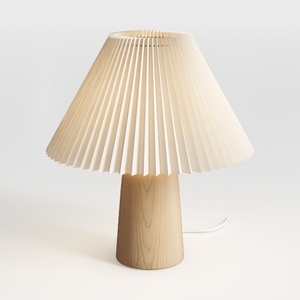
NUOBESTY 1Set Nordic Pleated Desk Lamp for Bedroom


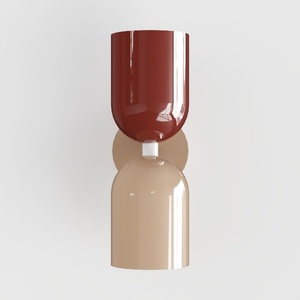
CLAXY Modern Gold Bathroom Vanity Milky Glass Wall
Experience the ease of home design with Homestyler! This user-friendly platform offers an intuitive online design tool, stunning 3D renderings, an extensive collection of design projects, and helpful DIY video tutorials. Unlock your creativity and transform your living space effortlessly!
Desain sekarang Gratis
































