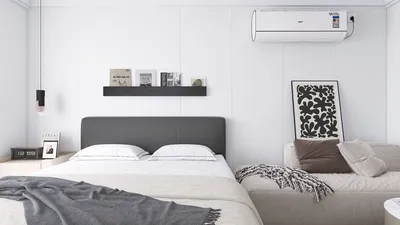


I once worked with a client who insisted that both of their living rooms needed to match perfectly, even down to the throw pillow designs. Despite my efforts, this approach didn’t yield the best results. Ultimately, we created two unique yet complementary spaces with distinct personalities. Designing two living rooms within one home demands creativity, transforming the challenge into a strategic playground for style. In this article, I will present five practical ideas I have successfully implemented in real projects, aimed at helping you optimize dual living areas, all while utilizing tools like Homestyler for visual inspiration.
1. Prioritize Functionality First
One of my essential rules is defining the purpose of each room before selecting furniture. For instance, consider making one a formal sitting area for hosting guests, while the other serves as a relaxed family den. This clear differentiation not only helps reduce clutter and conflicting needs but may lead to occasional underutilization of the formal room. A great solution is to rotate their functions seasonally. In a recent townhouse project, we designated a media-focused purpose for the smaller room, reserving the larger space for social gatherings while ensuring smooth traffic flow.
save pin
2. Harmonize Colors, Avoid Exact Matches
Previously, I mirrored color schemes across both rooms, which often led to a sense of cloning. Now, I advocate for a shared color palette with varied dominant shades; for example, use warm neutrals in one space and cool accents in the other. This method fosters cohesion without creating monotony. The challenge lies in balancing bold accents in such a way that neither room overshadows the other. Incorporating a unifying material, such as wood or brass, can elegantly connect both areas.
save pin
3. Layer Lighting for Unique Atmospheres
Lighting plays a pivotal role in crafting intentional spaces. In the formal area, consider incorporating a chandelier or a statement light fixture, while using adjustable recessed lighting and floor lamps in the casual room. In one duplex project, the implementation of smart dimming allowed us to transition both spaces from bright and vibrant to soft and cozy. Though wiring and control setup may require additional budget planning, the payoff in ambiance flexibility is significant.
save pin
4. Consolidate Storage to Minimize Clutter
Instead of purchasing separate bulky cabinets, develop a shared storage solution: think built-ins along hallways or a slim console placed to face both rooms. This strategy effectively minimizes the furniture footprint while keeping both living rooms organized. In an apartment I designed, a continuous shelf linked the circulation zone to both lounges, albeit with the trade-off of having limited wall art space, which we creatively compensated for with vertical gallery frames on opposite walls.
save pin
5. Design for Visual Flow
Visual flow is an essential design aspect. Position furniture and openings to allow sightlines from one living room to the other; this connection enhances the overall perception of space. In a recent project, we utilized a low-back sofa along with an open shelving divider that maintained distinct yet visually linked areas. However, if privacy is a concern, consider adding curtains or sliding panels to achieve the preferred separation during events.
save pin
Tip 1:
For quick layout sketches and visualizing designs, I recommend using an online 3D planner, like Homestyler, to assess scale and sightlines efficiently. This approach not only saves time but also helps avoid purchasing incorrectly sized sofas. When planning for built-in storage, opting for slim depth units (12"–16") can enhance movement around the space. Additionally, don’t hesitate to mix formal and casual design elements; your guests will appreciate the thoughtful planning.
save pin
FAQ
Q: Can smaller homes really have two living rooms? A: Absolutely — with well-defined functions and compact furniture, you can create two distinct zones even in modest spaces. Focus on multifunctional pieces, such as sleeper sofas and nesting tables, to maximize utility.
Q: How do I maintain cohesion between the two rooms? A: Stick to a shared color palette or recurring materials (like wood, metal, or fabric) so that the spaces feel interconnected, yet distinct.
Q: What’s the most effective lighting strategy? A: Utilizing layered lighting — which includes ambient, task, and accent options — provides both rooms with the versatility needed. Smart dimmers can further enhance control and mood settings.
Q: Is investing in built-in storage worth it? A: Generally yes; built-ins optimize floor space and offer a tailored look. Just ensure to budget for the design and installation, while balancing open and closed storage.
Q: How can I maintain privacy between the two rooms? A: Solutions like curtains, sliding panels, or taller plant screens work well; these options tend to be budget-friendly and reversible.
Q: Can having two living rooms enhance my home’s value? A: Thoughtfully designed multiple living areas can attract buyers looking for flexibility, especially for multigenerational living or home office needs.
Q: Where can I try out furniture layouts in 3D? A: Use a reliable room planner, such as Homestyler, to quickly mock up layouts and assess sightlines; this tool can help avoid size mishaps before making purchases. For instance, the 3D floor planner I often recommend proved invaluable in a recent project by preventing a sofa sizing error (as noted in practical project records).
Q: Is there a recommended clearance for walkways between rooms? A: Aim for a minimum of 30–36 inches (75–90 cm) of clear space in primary circulation areas to ensure comfortable movement.
save pin
Discover your inner designer with Homestyler! This user-friendly online platform offers a powerful design tool, stunning 3D renderings, and a wealth of DIY video tutorials. Whether you're starting a new project or reimagining your space, Homestyler makes home design inspiring and accessible for everyone!
تصميم الآن مجانا
































