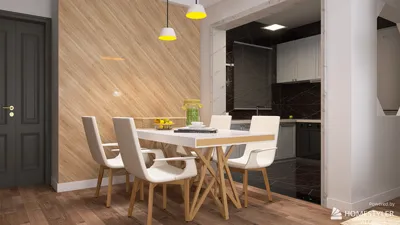


I once had a client who strongly believed that a baby grand piano should be placed in their 15 x 15 dining room—yes, adjacent to the buffet and close to the toddler’s high chair. After we managed to fit the piano in (though it looked quite out of place), I realized that meticulous planning is far superior to hopeful creativity. To give clients a realistic foundation, I frequently display space planning examples so they can comprehend how furnishings interact in a square setting.
Small square spaces can ignite substantial ideas. In the following sections, I will share five practical concepts for a 15 x 15 dining room, outlining advantages, minor challenges, and tangible tips I've effectively applied in various projects.
1. Round Table in the Center with Concentric Areas
I have a preference for round tables in square rooms—they soften harsh angles and enhance movement. A 48–60 inch round table provides comfortable seating for 4–6 people and maintains approximately 36 inches of movement space around it, allowing for easy chair pulling. The trade-off is a lack of edge storage, so complementing it with a slim console or floating shelves can create necessary display or serving areas.
save pin
2. Long Rectangular Table Aligned with a Focal Wall
Arranging a rectangular table parallel to one wall establishes a logical pathway and draws attention to a buffet, an art wall, or built-in features. A 72-inch table fits well in such a setting. It promotes a style of family dining but might give off a more formal vibe; consider softening the atmosphere with a table runner, varied seating options, and pendant lighting hung slightly off-center for added dimension.
save pin
3. Banquette Seating on One Side
Built-in banquettes are my favorite space-saving solution—they keep guests close and provide storage underneath. Banquettes look stunning paired with a rectangular or oval table. One challenge is that custom-built seating can be more expensive, but you can achieve a similar effect using a bench with storage ottomans as a cost-effective alternative. To visualize furniture placement effectively, consider using 3D planning tools to assess spacing and sightlines.
save pin
4. Multi-Functional Dining and Work Area
As the lines between work and home blur, I often design a versatile dining arrangement: an extendable table combined with a slim desk area or wall-mounted drop-leaf table. This allows the room to remain functional beyond dining. However, it requires a thoughtful approach to styling in order to conceal work clutter; investing in attractive storage solutions and tidy cable management can help the space feel unified.
save pin
5. Open Flow with Designated Rug and Lighting Layers
Define the dining section within a 15 x 15 square by anchoring it with a rug appropriately sized for the table and chairs (usually around 8 x 10 feet for most setups) along with layered lighting—combining a pendant with dimmable sconces. This creates an intentional yet airy impression. Be mindful of rug size: an undersized rug can make the area appear fragmented, while the right dimensions can unify the layout. For setups adjoining kitchens, I like to draw inspiration from established kitchen design solutions and tips.
save pin
Tips 1:
Double-check measurements before placing furniture digitally. Creating a simple layout with precise furniture dimensions (even on graph paper) has saved me from many expensive mistakes. If your budget is limited, begin with paint, lighting, and a standout rug; often, the illusion of spaciousness starts with color and scale.
save pin
FAQ
Q1: What is the ideal space around a dining table in a 15 x 15 room?
A1: Aim for at least 36 inches of space from the table edge to any walls or furniture to allow for comfortable chair movement. In tighter areas, you can condense it to 30 inches, but expect more restricted mobility.
Q2: What is the best table size for a 15 x 15 dining room?
A2: A table ranging from 48–72 inches generally works well, depending on your preference for round or rectangular styles; a 60-inch round or a 72-inch rectangular table accommodates 6 people comfortably while still allowing for circulation.
Q3: Should I incorporate a rug in a 15 x 15 dining room?
A3: Yes—an 8 x 10 rug is often suitable to ensure that chairs can remain on the rug even when pulled back. Avoid using small rugs that disrupt the overall composition.
Q4: How can I make a 15 x 15 dining room appear larger?
A4: Utilize light paint colors, mirrored or shiny surfaces, vertical storage, and consistent flooring to create visual continuity. Adequate lighting and minimal clutter also help enhance the perceived spaciousness.
Q5: Are banquettes a wise choice for a 15 x 15 space?
A5: Absolutely—banquettes are excellent space savers and provide extra storage, but keep comfort and accessibility in mind: removable cushions and easy-care upholstery are practical choices to consider.
Q6: Can a dining area serve as a home office?
A6: Certainly. Opt for a versatile table (extendable or drop-leaf) and integrate concealed storage solutions. Using rugs and distinct lighting can facilitate the dual function of the space without it feeling like a compromise.
Q7: What is the best height for lighting above a dining table?
A7: Hang pendant lights at 28–34 inches above the table surface for standard 8–9 foot ceilings; adjust accordingly for taller ceilings to maintain a sense of intimacy without obstructing sightlines.
Q8: Where can I find guidelines for clearance and ergonomic furniture placement?
A8: For reliable advice on circulation and clearance standards, consult the National Kitchen & Bath Association (NKBA) website at https://nkba.org, which offers validated dimensions and planning strategies.
save pin
Transform your home with Homestyler, the ultimate online design platform! Enjoy an easy-to-use design tool, stunning 3D renderings, and a wealth of inspiring design projects and video tutorials. Whether you're a novice or a pro, bring your dream space to life effortlessly!
Design Now for FREE
































