

I had a client once who envisioned gold paint everywhere—on the ceiling, doors, and even the radiator. I almost chased that shiny desire into an overwhelming eyesore until I figured out the importance of starting with a straightforward room layout sketch and a well-defined plan. Integrating tools like Homestyler can make this planning phase much easier.
Small spaces can ignite substantial creativity: gold paint is bold, but when used judiciously, it transforms into understated luxury. I’m going to share five practical ideas that I apply in real renovations, addressing advantages, minor challenges, and budget-friendly tips.
1. One accent wall with metallic finish
Choose to paint a single wall in a satin or metallic gold finish instead of going for an all-over metallic look. This technique conveys richness without being overly loud, reflects light beautifully, and creates a sense of depth in small spaces. Keep in mind, achieving a uniform finish can be tricky—metallic paints tend to show brush strokes easily, so consider using a high-quality roller or spray application for the best results.
save pin
2. Gold trim and cabinet highlights
I appreciate the elegance of painting only the trim or the frames of cabinets in a warm gold, leaving the panels matte. It’s a chic two-tone solution that modernizes kitchens and living areas without the need for a complete renovation. Note that this requires additional preparation: a light sanding and primer are essential to prevent flaking, and I recommend testing on a spare board first.
save pin
3. Soft gold ceilings and shadow lines
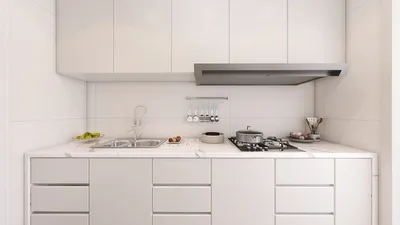
A delicate gold wash on the ceiling can elevate a small room by reflecting warm light downward. This effect is subtle during the day but can be surprisingly dramatic with lamps. If you're redesigning a kitchen, I like to pair the golden ceiling idea with a targeted plan, such as a Homestyler kitchen shimmer plan, to harmonize appliances and backsplashes—gold works best when the entire room design resonates together.
save pin
4. Stenciled patterns and small-scale accents
Add a touch of glamour with gold stencils on a feature strip behind a bed, on staircase risers, or even a small backsplash. This approach adds interest without overwhelming the space, and it’s both budget-friendly and easy to update. However, scale is crucial: keep designs small in compact rooms, and consider using washable topcoats where necessary.
save pin
5. Mixing gold with dark matte colors for contrast
I often combine gold paint with deep navy or charcoal hues—the contrast feels intentional and luxurious. This combination works well in bedrooms, entryways, and even bathrooms; for instance, a gold towel rail or mirror frame can serve as a tasteful accent. If you're planning a bathroom renovation, visualize your accents with a focused approach like a luxury bathroom style in Homestyler to contemplate moisture-safe finishes.
While metallic-effect paints can be more expensive, one can save money by applying them on smaller surfaces or as a glaze over a less costly base coat. Proper preparation and testing are non-negotiable—a lack of prep can turn gold into an unappealing tarnish, quite literally.
save pin
Tips 1:
Always test gold samples in varying light conditions during different times of the day; consider bringing fabric swatches to ensure harmony. For durability, choose low-VOC products if the quality of indoor air is a concern for you, and for large metallic areas, professional spraying is something to think about.
save pin
Frequently Asked Questions
Q: Is gold interior paint suitable for small rooms? A: Certainly, when applied judiciously—accent walls, trim, or smaller patterns can add warmth without dominating the space.
Q: Will gold paint make a room feel smaller? A: Not necessarily; a subtle gold glaze can reflect light and give the illusion of a larger area, while heavy all-over metallics can create a constricting feel if the lighting isn’t adequate.
Q: Are metallic paints difficult to apply? A: They can be more challenging than matte finishes since they reveal strokes more easily. Using high-density rollers or spraying, along with following the manufacturer’s instructions, can help minimize visible brushwork.
Q: What about VOCs and indoor air safety? A: Opt for low-VOC or water-based metallic paints and adhere to ventilation guidelines. For concerns about lead in older homes, consult the EPA’s resources on lead safety and renovation guidelines.
Q: Can I use gold paint in a bathroom? A: Yes, but with precautions—utilize moisture-resistant primers and topcoats, and try to avoid applying metallics in areas that will frequently get splashed, unless they are properly sealed.
Q: How can I pair gold with other finishes? A: I recommend mixing warm gold with matte blacks, deep blues, or natural wood finishes to balance out the shine. Choose one dominant finish and let the gold serve as the feature accent.
Q: Is gilding (real gold leaf) a better option than metallic paint? A: While real leaf offers unmatched depth, it is expensive and delicate. Paint is a much more affordable and durable solution for everyday living spaces.
Q: Can I easily repaint over gold? A: Absolutely, but make sure to prime well to block any metallic sheen before applying your choice of topcoat. A proper primer will streamline the process.
save pin
Looking to transform your space? Homestyler is your go-to online home design platform! With its user-friendly design tool, stunning 3D renderings, and a wealth of DIY video tutorials, you can effortlessly create and visualize your dream home. Start designing today!
Design jetzt kostenlos
































