

I once had a client request a unique floor plan for their modular home that included a secret bookshelf door for concealing laundry—a clever idea on paper but challenging to execute. After redesigning the layout, we preserved both the bookshelf and the efficiency of the laundry routine. Compact spaces demand ingenuity, which is why I have a passion for 3-bedroom modular homes; they serve as perfect canvases where a simple adjustment can transform everything. In this article, I will present five practical design inspirations sourced from real projects that have successfully turned modest modular footprints into cozy and efficient living spaces.
1. Creating Open-Plan Living with Defined Zones
In a 3-bedroom modular home, removing non-structural walls can open up the communal area, allowing it to feel more spacious. I often utilize rugs, lighting arrangements, and low-profile furniture to delineate living, dining, and play areas without the need for physical barriers. The benefit of this design is a brighter, more versatile space; however, one must plan for sound and storage solutions to prevent chaos in the openness.
save pin
2. Versatile Bedrooms
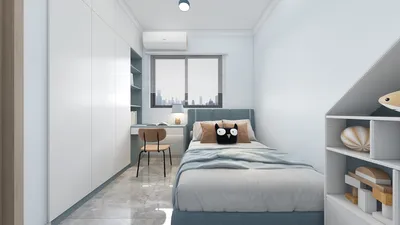
I transformed a guest bedroom into a dual-purpose home office and guest room, incorporating a wall bed and built-in shelves. This clever use of space keeps the room orderly while providing functionality. The key challenge is selecting durable hardware and finishes that withstand regular use, but the outcome is a space that flexibly adapts to various needs—serving as a workspace by day and a restful retreat at night.
save pin
3. Efficient Kitchen Designs for Optimal Workflow
In designing modular kitchens, I prioritize compact and effective layouts that support clear work triangles. Integrating drawer organizers, vertical storage solutions, and slimline pantries makes a significant impact. You can create a professional ambiance even in smaller spaces; just keep in mind the importance of proper ventilation and lighting—essential elements that small kitchens require to exude an upscale feel.
save pin
4. Smart Built-in Storage and Concealed Niches
In a recent retrofit, I incorporated under-stair drawers and kitchen toe-kick drawers, which maximized floor space and minimized clutter. Built-in solutions are advantageous as they look seamless and enhance the aesthetic value, though they demand precise measurements and sometimes a greater initial investment.
save pin
5. Adaptable Outdoor Extensions
A simple deck or covered porch can function as an additional room in temperate climates. I designed a modular home where the outdoor dining area seamlessly opens via expansive sliding doors, effectively expanding the living space during warmer months. However, it’s essential to consider weatherproofing and appropriate furniture to ensure the extension remains usable throughout the year.
save pin
Tips 1:
If you’re looking to quickly sketch or experiment with layouts, utilizing a reliable room planner can help visualize changes before committing. A free floor plan creator can be a game changer for drafting plans, especially when exploring design options. For kitchen-specific layouts, a kitchen layout planner is invaluable for finalizing appliance placements and ensuring adequate clearances, enhancing your overall design experience with tools like Homestyler.
save pin
FAQ
Q: What defines a modular home, and how is it different from a traditional house?
A: Modular homes are factory-built in sections and assembled on-site. They adhere to the same building codes as traditionally constructed homes, often resulting in quicker build times and more predictable costs.
Q: Can 3-bedroom modular homes be customized?
A: Absolutely—most manufacturers provide a variety of layout and finish options, and making adjustments such as open-plan designs or built-ins is typically feasible with early planning.
Q: What are effective strategies for maximizing storage in a 3-bedroom modular home?
A: Consider incorporating vertical storage, built-in solutions, under-bed drawers, and multifunctional furniture. Integrating storage into the initial design stage yields the best results.
Q: What kind of budget should I plan for interior updates in a modular home?
A: Budgets can vary widely, but focus on prioritizing structural changes and integrated storage solutions. Smaller upgrades, like new paint and lighting, are cost-effective means to refresh any space.
Q: Are modular homes capable of being energy-efficient?
A: Definitely—many modular builders utilize tight construction methods with high-performance building envelopes; incorporating energy-efficient windows and proper insulation can further enhance savings.
Q: Is it challenging to modify room layouts after assembly?
A: Undertaking major structural changes post-assembly can be complicated; thus, I always suggest solidifying layout decisions during the planning phase and utilizing tools like a 3D floor planner, such as Homestyler, to confirm choices.
Q: Are there options for accessibility in modular homes?
A: Yes—features like ramp-ready entries, wider doorways, and bathrooms designed for universal access can be included; it’s best to consult early on with local accessibility standards.
Q: Where can I find trustworthy information regarding modular construction standards?
A: The Modular Building Institute (https://www.modular.org) is a respected resource for industry standards and research in the field.
save pin
Discover the creativity of home design with Homestyler! This user-friendly platform offers an intuitive online design tool, stunning 3D renderings, and a wealth of design projects and DIY video tutorials. Whether you're a beginner or an expert, Homestyler turns your ideas into reality effortlessly!
立即免费设计
































