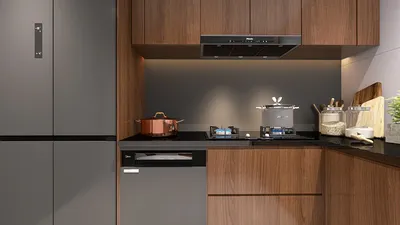


Once, I took on the challenge of fitting a couple, their dog, and a collection of vintage vinyl records into a compact 450 sq ft tiny home. This experience taught me that clever design elements like quality hinges, smart nooks, and well-positioned mirrors can make a significant difference, preserving both relationships and beloved record collections. Living in small spaces encourages creativity and intentional design, which is one reason why tiny homes, showcased in platforms like Homestyler, ignite such innovation.
In this article, I'm excited to present five practical design inspirations for a 2-bedroom, 2-bath tiny home based on my previous projects. Each suggestion harmonizes comfort, storage, and flow, ensuring your cozy dwelling feels serene rather than cramped.
1. Split-bedroom layout for enhanced privacy
I often suggest positioning bedrooms at opposing ends of the floor plan to create personal retreats for everyone. This arrangement promotes true privacy and minimizes noise transfer, a rarity in tiny homes. Although it may result in slightly longer pathways, the trade-offs of improved sleep quality and fewer disputes over Netflix volume make it worthwhile.
If space is limited, consider implementing sliding doors and pocket closets to keep walkways clear. In one of my projects, this layout made the bedrooms appear more spacious by providing uninterrupted wall space for furniture placement.
save pin
2. Wet-room ensuite combined with a compact second bath
To accommodate two bathrooms in a tiny layout, I sometimes recommend a wet-room style ensuite that incorporates the shower, toilet, and basin into one sealed area, along with a compact second bathroom featuring a corner shower or wet pod. Wet-rooms not only maximize usable space but are also simpler to waterproof, though it’s essential to soften their utilitarian look with warmer materials.
Utilizing glass partitions, vertical storage towers, and recessed niches keeps both bathrooms practical. A budget-friendly tip: simple tile patterns and an efficient exhaust fan can significantly enhance a small bathroom without overspending.
save pin
3. Open-plan living with adaptable zoning
An open plan that merges kitchen, dining, and living spaces creates an expansive feeling in a tiny home. I prefer using rugs, the arrangement of furniture, and strategic lighting to establish distinct zones instead of erecting full walls. This maintains open sightlines and allows natural light to permeate the home.
The only downside is lesser acoustic separation, so consider incorporating soft materials and thoughtful placement of smart speakers. For a recent project, a banquette that serves as both storage and a dining bench skillfully addressed seating and hidden storage needs in a single solution.
save pin
4. Integrated storage and multifunctional furniture
In tiny homes, storage is crucial. I always design built-in storage solutions around awkward corners, under stairs or beds, and above doors. Multifunctional furniture—such as platform beds with drawers or dining tables that convert into console tables—are essential. Though custom built-ins may cost more initially, they greatly enhance everyday living.
One of my favorite design victories was transforming a shallow closet into a compact pantry featuring pull-out trays and appliance lockers—suddenly, the tiny kitchen became a chef's best friend instead of a challenge.
save pin
5. Bringing the outdoors in with natural light and small balconies
Incorporating natural light and a small or Juliette balcony can significantly enhance the atmosphere of tiny homes. Large windows, reflective surfaces, and indoor plants amplify the feeling of space. Balconies provide extended living areas for enjoying morning coffee or growing herbs, although privacy screens are worth considering in densely populated areas.
In a project with a constricted plot, swapping out a fixed window for full-height glazing and adding a shallow deck transformed the living space into a sun-drenched sanctuary without increasing the home's footprint.
save pin
Tip 1:
For effective visualization and layout testing prior to making commitments, consider using the 3D floor planning tools I employ to convey ideas to clients. These tools are invaluable for avoiding expensive changes during construction, especially when used with resources like Homestyler.
save pin
FAQ
Q: What’s the minimum square footage for a comfortable 2-bedroom, 2-bath tiny home?
A: A thoughtfully designed 2-bedroom, 2-bath tiny home can function well within a range of 500–650 sq ft, depending on the efficiency of the layout and the presence of built-in storage.
Q: How can I fit two full bathrooms in a tiny home?
A: Utilize compact fixtures, a wet-room design for one bathroom, and overlap plumbing runs to streamline complexity and costs.
Q: Are two bedrooms in a tiny home feasible for families?
A: Yes, they are suitable for small families or individuals needing a guest room or home office; consider multifunctional furniture to adapt rooms as requirements evolve.
Q: What materials are best for tiny home bathrooms?
A: Durable and moisture-resistant materials such as porcelain tiles, solid-surface countertops, and waterproof wall panels strike a balance between longevity and ease of maintenance.
Q: How can I ensure good ventilation in a tiny home?
A: Combine operable windows with an efficient mechanical ventilation system or extractor fans in wet areas to maintain fresh air. Always consult local building codes for ventilation guidelines.
Q: Should I opt for multifunctional furniture or custom-built units?
A: Prefabricated multifunctional pieces tend to be more affordable, while custom built-ins can optimize space usage and provide a cleaner aesthetic if your budget allows.
Q: How much should I budget per square foot for a quality tiny home interior?
A: Prices vary by region, but for a high-quality finish, anticipate a higher per-square-foot cost than larger homes; focus on essential features like plumbing, insulation, and custom storage.
Q: Where can I find reliable case studies for layouts and visualization?
A: Explore trusted platforms that showcase layout and 3D visualization case studies to support your design decisions; for instance, check out professional galleries for practical examples and tools.
save pin
Discover the joy of home design with Homestyler! This user-friendly online platform offers a powerful design tool, stunning 3D renderings, and a wealth of DIY video tutorials. Whether you're a beginner or a seasoned designer, Homestyler makes it easy to create your dream space!
Design Now for FREE
































