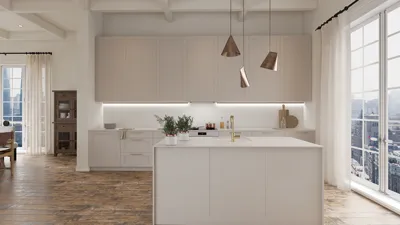


I once had a client who was adamant that their compact galley kitchen required a chandelier "because that’s how Ballard does it." I nearly sketched out a glamorous design on the spot, but then realized the importance of scale—larger fixtures can dominate small spaces. This encounter reminded me that creativity thrives in limited areas, and with the right lighting from Ballard, a room can be enhanced without being overshadowed. In this article, I will share five practical lighting ideas that I have actually implemented in projects to achieve that distinctive ‘Ballard’ aesthetic in smaller rooms.
1. Mini Chandelier as a Centerpiece
Selecting a smaller chandelier allows you to enjoy the dramatic effect of Ballard design while avoiding visual clutter. In one instance, I swapped out a bulky pendant light for a delicate crystal chandelier in a breakfast nook—it brought an instant touch of glamor while maintaining proportionality. The benefit is a quick style boost; however, it’s essential to verify that the ceiling height and the weight of the fixture are appropriate.
save pin
2. Layered Lighting with Wall Sconces
Wall sconces infuse a refined ambience reminiscent of Ballard while conserving floor and table space. I frequently position matching sconces alongside mirrors or artwork to establish symmetry and warmth. They serve as excellent task and accent lighting, yet require careful planning regarding wiring and placement to prevent glare.
save pin
3. Under-Cabinet and Toe-Kick Lighting
In compact kitchens, I love incorporating under-cabinet LEDs and discreet toe-kick lighting—paired with a classic pendant from Ballard, they enhance depth and functionality without cluttering the space. These fixtures improve visibility on countertops and create an illusion of floating cabinetry; just ensure that the color temperature coordinates well with other lights.
save pin
4. Multi-Arm Adjustable Fixtures
Adjustable, multi-arm fixtures offer a contemporary Ballard twist, enabling you to direct light precisely where it’s needed. I utilized one of these in a small studio to illuminate cooking, reading, and art areas; it’s both versatile and visually interesting. While they can be on the pricier side, careful balancing is key to prevent a chaotic aesthetic.
save pin
5. Statement Plug-In Lamps and Portable Options
When hardwiring is not an option, elegant plug-in swing-arm lamps or table lamps echoing Ballard’s design are invaluable. I love suggesting these to renters or clients looking for quick makeovers, as they provide high impact with low commitment. Though slightly less integrated than built-in fixtures, they are ideal for a trial-and-error approach to styling.
Want to visualize layouts before purchasing fixtures? I often create quick plans using a room planner to see the scale and sightlines clearly. This helps reduce return trips and ensures clients feel confident about their choices.
save pin
Tips 1:
For budget-conscious design, consider combining one standout piece with cost-effective accents—like an exquisite chandelier with economical LED strips. This combination delivers the Ballard aesthetic without breaking the bank. Additionally, when selecting fixtures, match their color temperature across the board (aim for 2700K–3000K for those warm Ballard tones). A minor challenge includes vintage finishes differing; requesting samples is advisable when possible.
save pin
FAQ
Q: What characterizes Ballard design lighting?
A: Ballard lighting typically combines classic shapes with elegant finishes—think crystal or brass accents, layered installations, and a polished, slightly traditional style that’s both sophisticated and inviting.
Q: Can Ballard-style lighting work in compact apartments?
A: Definitely—opt for smaller fixtures, implement layered lighting, and prioritize wall-mounted or pendant types to maximize floor space while maintaining that signature Ballard look.
Q: What color temperature is ideal for Ballard-inspired lighting?
A: Warm white (2700K–3000K) most accurately reflects the cozy, inviting hues characteristic of Ballard interiors.
Q: How do I avoid overwhelming a small room with a chandelier?
A: Select a compact fixture that suits the room's scale, suspend it slightly higher than you would in a larger area, and complement it with wall or recessed lighting.
Q: Are plug-in options a good backup?
A: Absolutely—plug-in and swing-arm lamps are fantastic for renters and quick renovations; they offer flexibility without the need for rewiring.
Q: How can I visualize fixture placement prior to purchase?
A: Consider utilizing a free online room planner to test out scale and sightlines; this has saved me from numerous returns and tricky installations.
Q: How can I layer lighting effectively in a small kitchen?
A: Combine a small pendant or chandelier for general lighting, under-cabinet LEDs for task illumination, and wall sconces or portable lamps for accenting—this trifecta balances aesthetics and functionality.
Q: Are there professional standards for lighting and human comfort?
A: Yes, the Illuminating Engineering Society (IES) provides guidelines on lighting levels and color rendering that many designers refer to (https://www.ies.org).
save pin
Discover the ease of home design with Homestyler! This online platform features a user-friendly design tool, stunning 3D renderings, and a wealth of inspiring design projects and video tutorials. Whether you're a DIY enthusiast or a beginner, you can effortlessly create your dream space!
지금 무료로 디자인하세요
































