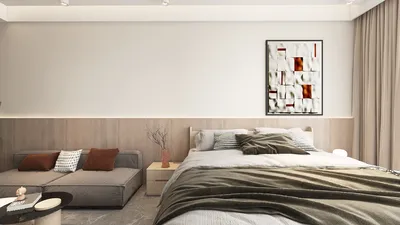


Plywood possesses a unique authenticity that resonates with me: its texture reveals the grain, its edges narrate a tale, and it offers durability without overwhelming presence. When applied thoughtfully, it transforms small apartments, family houses, and studios into refined, sturdy environments that exude a modern warmth.
Performance extends beyond mere visual appeal. The WELL v2 framework highlights the importance of managing glare and ensuring visual comfort within interior spaces, where the light-reflective qualities of pale birch or maple plywood facilitate softer ambient illumination throughout a room. Research from Steelcase indicates that access to visually comfortable spaces can enhance cognitive function and lessen fatigue, underscoring the significance of plywood’s matte and diffuse surfaces, particularly in areas designed for focused tasks or reading. For in-depth insights into workplace and visual comfort, I often rely on Steelcase findings as a planning reference.
Regarding space arrangement, the modularity of plywood resonates with ergonomic principles: studies from Herman Miller advocate that flexible furniture and clear passageways can alleviate cognitive load and aid in task transitions. When creating built-in systems with plywood, I ensure that circulation pathways are defined (typically recommended at 36–42 inches wide for major routes) and that reach heights are comfortably set around 48 inches for frequent storage access. To explore configurations and sightlines prior to implementing them, utilizing a straightforward room layout tool proves beneficial in illustrating traffic flow, natural light distribution, and furniture ergonomics.
Warm Minimalist Living Rooms
Living areas thrive with plywood’s soothing, consistent grain. I prefer a low media console that spans the wall, constructed from 3/4-inch birch plywood, featuring exposed edges and a hand-rubbed matte seal. This design anchors the interior while minimizing visual distractions. It's important to maintain proportion in the console’s dimensions: a 1:2 height-to-length ratio creates a harmonious appearance alongside sofas and textiles. Incorporating open compartments for books and a few enclosed sections for technology keeps the space organized, allowing color to emerge from fabrics rather than the furniture itself, ensuring the room ages with grace.
Kitchen Efficiency with Plywood Cabinets
In kitchen spaces, plywood carcasses demonstrate superiority over particleboard in terms of screw retention and moisture resistance. I opt for Baltic birch for the structural components, pairing it with robust fronts—either plywood with edging or hardwood veneers. Align cabinet ergonomics with NKBA standards: counter heights around 36 inches, working aisles at 42–48 inches for one or two cooks, and toe kicks measuring 3 inches deep and 4 inches high to alleviate foot strain. Integrating pull grooves and soft-close mechanisms can maintain the sleek plywood appearance while enhancing utility. To improve acoustic comfort, consider lining areas under the sink with cork panels to mitigate vibrations.
Bedrooms: Built-In Calm
In bedroom spaces, effective storage should be visually discreet. I favor floor-to-ceiling plywood wardrobes with consistent 18–24 inch door panels, concealed finger pulls, and a light finish that bounces warm lighting (2700–3000K) to create a serene environment. Design hanging areas at heights between 60–66 inches and reserve upper compartments for seasonal items. A floating plywood headboard with integrated shelving can serve as a light baffle; install dimmable LED lights behind it for indirect lighting to reduce glare, in line with IES recommendations for luminance contrast.
Home Offices: Focus and Flow
In home office setups, plywood provides robust desks and adaptable storage solutions. I typically set desk heights around 29 inches, paired with adjustable seating and footrests to promote good posture. A U-shaped plywood shelf system around the desk ensures that reference materials remain at an optimal viewing angle (15–20 degrees below eye level) to prevent neck strain. Incorporating cable management within a 1-inch vertical conduit keeps work surfaces tidy. Combining 4000K task lighting with 3000K ambient light fosters alertness while ensuring visual comfort, as highlighted in WELL v2’s Light concept. If the room serves a dual purpose as a studio, a mobile plywood cart on soft casters can enhance flexibility.
Kids’ Rooms: Durable, Playful, Safe
Children’s spaces necessitate safety and resilience. I smooth the contours of exposed plywood edges to 3–5 mm and employ low-VOC waterborne finishes to protect the wood grain. Cubbies sized 12–15 inches accommodate books and toys while supporting organization. Here, color psychology plays a role: I keep plywood neutral and introduce color through removable elements—cushions, bins, and decals—to ensure the room evolves with its occupants. For acoustic comfort, consider including drawer bottoms lined with felt and fabric pinboards to dampen high-frequency sounds, maintaining a tranquil environment.
Compact Apartments: Built-Ins that Stretch Space
In small living spaces, plywood shines due to its multifunctionality. A wall bed with built-in shelving, a foldable desk, and a tall pantry-style cabinet can effectively optimize a studio layout. Ensure a minimum circulation width of 36 inches when the bed is deployed. Use light veneers to reflect natural light throughout the area. By planning the sequence of functions—sleeping, working, dining—utilizing an interior layout planner helps avoid obstacles and poorly positioned doors.
Acoustic Comfort and Lighting Control
Plywood tends to reflect sound more than softer materials, prompting me to blend it with absorbent features: wool rugs, upholstered seating, and acoustic panels behind perforated plywood in media rooms. Aim for a balanced background noise level of around 35–40 dBA for reading areas and 45 dBA for social spaces. When considering lighting, focus on layered illumination: ambient levels between 150–300 lux, task areas at 300–500 lux, and accent lighting to showcase the wood grain without causing glare. Utilize warm-dimming fixtures that gradually shift from 3000K in the evening to 2700K at bedtime, promoting circadian comfort.
Material Selection, Finishes, and Sustainability
Opt for FSC-certified plywood when possible and verify that it has low-added-formaldehyde or NAUF cores for enhanced indoor air quality. Selecting the right veneer can influence atmosphere—maple and birch offer a bright, Scandinavian aesthetic, while walnut introduces a level of formality. I steer clear of thick plastic edge banding; instead, using a clear shellac or waterborne polyurethane gives a more authentic finish to finely sanded exposed edges. For sustainability, construct pieces as screw-fastened modules rather than glue-heavy assemblies, allowing for easier repair, reconfiguration, or recycling at a later date.
Detailing and Fabrication Tips
Consistent reveals give plywood designs an intentional feel: maintain 3 mm shadows around doors and drawers, incorporate structural members of 20 mm for shelves spanning up to 900 mm, and utilize hidden aluminum reinforcement for longer spans. Pre-drilling is essential to avoid veneer blowout; employ countersunk screws plugged with matching dowels for a crafted finish. In areas with fluctuating humidity (like bathrooms or laundries), sealing all faces and edges is crucial; despite stable cores, the quality of the finish can significantly impact between a crisp edge and swollen seam.
Color Psychology and Visual Balance
The warm neutrality of plywood serves as an excellent foundation for color layering. Combining pale wood with soft blue tones fosters calm and concentration, while understated greens can create a restorative atmosphere—aligning with the principles of color psychology that link blues with focus and greens with equilibrium. It’s important to maintain a restrained color palette: two primary shades complemented by one accent, allowing the grain to remain the focal point. Distribute visual weight effectively by positioning darker elements lower (like rugs or lower cabinets) and lighter elements higher to maintain a sense of grounding within spaces.
Storage Strategy: Make Every Inch Work
Adopt a vertical mindset: built-ins with a depth of 12–16 inches along passage walls offer significant storage without encroaching on usable space. In living areas, balance open compartments and closed doors to obscure devices while conveniently showcasing books and ceramics. In bedrooms, consider a division of 60% hanging space, 20% drawers, and 20% shelves to facilitate everyday access. Full-extension slides enhance visibility, and discreet labels on interior edges assist in organization. This level of strategic storage planning addresses clutter, which can easily overwhelm even the most carefully designed plywood spaces.
Layout Simulation for Renovations
Before cutting a single sheet of plywood, it’s wise to simulate the layout. Assess desk placements relative to windows, observe light distribution, and ensure cabinet doors don’t interfere with appliances. A layout simulation tool allows for quick modifications, enabling comparisons between a tall storage wall versus a longer console with identical capacity—each option yielding distinct visual impacts and behaviors. In my experiences, the most effective designs are created after running through three to five tested scenarios, rather than relying solely on initial sketches.
FAQ
For most cabinetry projects, using 3/4 inch (19 mm) plywood provides both rigidity and refined edges. Opt for 1/2 inch (12 mm) for drawer boxes and back panels while reinforcing longer expanses with hidden angles or thicker shelves.
Select low-added-formaldehyde or NAUF cores alongside waterborne finishes. Ensuring good ventilation during application and curing phases helps reduce overall VOC levels and improves indoor air quality.
Seal all surfaces and edges, store plywood sheets flat, and employ balanced construction techniques—ensuring equal veneer application on both sides. Rounded or beveled edges (3–5 mm radius) mitigate chipping in frequently touched areas.
Employ layered lighting with ambient settings around 3000K and task illumination between 3500–4000K to highlight plywood grain effectively without causing glare. Maintain task zones at 300–500 lux, steering clear of harsh downlighting on reflective surfaces.
Enhance sound absorption through the use of wool rugs, upholstered seating, and acoustic panels placed behind perforated plywood. Soft window treatments also aid in noise reduction. Strive for balanced ambient noise levels of approximately 35–45 dBA based on the type of activities occurring within the space.
Choose matte waterborne polyurethane, hardwax oil, or shellac for a finish that retains both texture and warmth. Test samples beforehand; certain finishes can impart a slight amber tint to the wood, which can be quite appealing in the evening light.
Absolutely, as long as details are executed with intention—thorough sanding, consistent reveals, and protective finishes all contribute. Combining with refined hardware and proportionate modules can significantly enhance the overall visual aesthetic.
Maintain circulation paths at about 36 inches, utilize pale veneers to boost light reflection, and incorporate multifunctional elements (like wall beds or fold-down desks). Validate door swings and clearance requirements through a room design visualization tool prior to any construction.
Choose birch and maple for bright, contemporary settings; oak for added texture and warmth; and walnut to project an air of formality. Ensure the chosen species harmonizes with the intended light levels—darker veneers require more ambient lighting to avoid an overly heavy appearance.
Implement concealed hinges, soft-close slides, recessed pulls, and minimal brackets. Cable conduits and magnetic latches keep surfaces clean while enhancing ease of use.
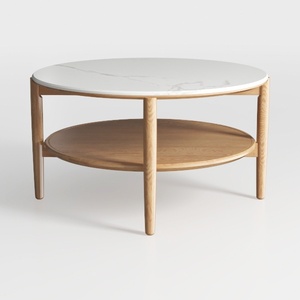
Minimalist Marble Top Solid Oak Round Two Tier Coffee Table 3D Model
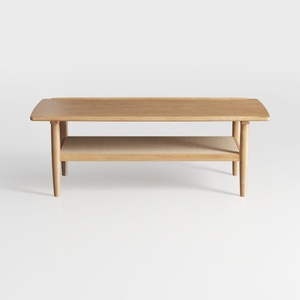
Minimalist Solid Oak Two Tiered Coffee Table 3D Model
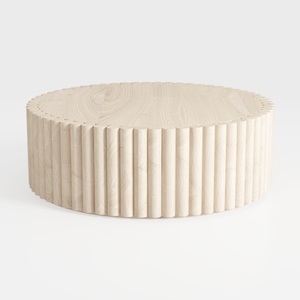
Minimalist Solid Wood Fluted Round Coffee Table 3D Model
Homestyler is your go-to platform for transforming home design dreams into reality! With an easy-to-use online design tool, stunning 3D renderings, and a wealth of DIY video tutorials, you can create, visualize, and perfect your ideal space—whether you're a novice or a pro!
تصميم الآن مجانا
































