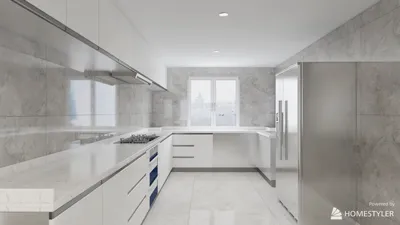


I still chuckle remembering a time when a client wanted their hallway to mimic a sunrise. We nearly decided to paint the ceiling orange as a quick fix, until I recalled a more refined strategy I'd implemented in a earlier project that balanced flair with longevity. I then presented them with a room case study demonstrating this successful approach, showcasing how Homestyler can effectively illustrate such designs.
Working in small spaces sparks my creativity, which is one of the aspects I truly enjoy. In this article, I will outline five photo-friendly painting ideas, each backed by real project experiences, budgets I adhered to, and the various hurdles I encountered along the way.
1. Striking Accent Walls Through Color Blocking
I have a fondness for a strategically placed accent wall — it acts like a headline for the room. Bold color blocks can transform a living room or staircase wall, adding dimension without making it feel cluttered. The advantage? You achieve substantial visual appeal at a minimal cost. The downside is the need for precise tape application and potential touch-ups later on. Consider how Homestyler can aid in visualizing this at the planning stage.
Tip: Capture test patches at various times throughout the day to observe how shifting light alters the hue before settling on a color.
save pin
2. Cozy Bedrooms with Textured Finishes
For small bedrooms, my preference is often a nuanced textured finish — think limewash or a soft plaster effect that photographs beautifully. This approach conceals minor imperfections and adds warmth, though it is usually pricier than flat paint and may pose challenges for seamless touch-ups.
Budget note: select a single textured wall as a focal point and keep the remaining walls neutral to maximize photo appeal while managing costs effectively.
save pin
3. Defining Zones with Two-Tone Rooms
In compact studios, I frequently employ two-tone painting techniques to delineate spaces without the addition of furniture. A darker lower half paired with a lighter upper half visually grounds furniture and looks stunning in layouts; however, accurate cutting lines are crucial to ensuring a clean transition.
Recently, when I required a visual demonstration for a client, I referenced a 3D home example via Homestyler to illustrate how the colors would come together in photographs — the clients appreciated this mockup before we proceeded with the painting process.
save pin
4. Exterior Color Palettes Perfect for Photographs
When it comes to house painting, capturing curb appeal is essential. For exteriors, I strike a balance between trendy and traditional: a neutral body color with contrasting trim and an accent door color. Strong visual contrasts work well in images, but keep in mind that darker colors may fade quicker in intense sunlight and could require more maintenance.
Practical tip: Photograph the house’s facade on an overcast day to avoid glare and ensure you capture the true colors accurately for future reference.
save pin
5. Accenting Kitchens with Painted Backsplashes and Cabinets
Painting kitchen island cabinets or backsplashes (yes, painted backsplash panels are a viable option) can deliver stunning, magazine-style photographs without the need for an extensive remodel. It’s a cost-effective and transformative approach; just keep in mind that high-use kitchens require durable finishes and realistic expectations about wear over time.
When a cohesive layout comes to mind, I often pull up a kitchen layout using Homestyler to help clients visualize how a painted island will harmonize with cabinetry and lighting before we select the best color.
save pin
FAQ
Q1: What types of paint work best for photographs?
In my experience, eggshell to satin finishes tend to photograph well indoors as they reflect soft, flattering light without causing glare. For exterior projects, a satin or low-luster finish offers a good balance between photographic appeal and weather resilience.
Q2: How do I choose colors that look great in photos?
Consider testing paint swatches in the actual rooms at various times of day, capturing them on your phone; camera sensors and natural light often reveal underlying tones that aren’t apparent on a paint chip.
Q3: Is it possible to paint over textured walls for better photos?
Yes, but it’s crucial to smooth or prime beforehand; textured surfaces can create shadows that complicate photography and distort color appearances.
Q4: What’s the most economical way to achieve picture-worthy results?
Focus on creating one eye-catching accent wall, swapping out hardware, and enhancing lighting — these minor adjustments can significantly elevate photo quality at a reasonable cost.
Q5: How often should I refresh exterior paint?
Typically, this is advised every 5 to 10 years, depending on factors like climate, material, and finish; darker shades may require more frequent upkeep due to fading and heat absorption.
Q6: Are some paint brands superior for photo shoots?
High-caliber paints from trusted brands usually provide better pigmentation and coverage, which enhances the visual richness of photographs. According to Sherwin-Williams, opting for high-opacity paints boosts both coverage and durability (source: https://www.sherwin-williams.com/).
Q7: What tips do you have for capturing my painted rooms in the best light?
Utilize natural light, steer clear of direct midday sun, and steady your camera; low-angle shots frequently give the illusion of higher ceilings and make rooms feel more welcoming.
Q8: Can I achieve these looks myself, or is hiring a professional advisable?
While many designs are DIY-friendly with a bit of patience and preparation, I recommend hiring a professional for textured finishes, precise two-tone lines, or high-visibility exterior projects to save time and avoid costly mistakes later on.
Discover the ease of home design with Homestyler! This online platform features a user-friendly design tool, stunning 3D renderings, and a wealth of inspiring design projects and DIY video tutorials. Transform your space effortlessly—perfect for anyone looking to elevate their home decor!
Design Now for FREE
































