

Having organized numerous weddings in expansive urban venues, I can confidently say that Shehnai Hall in Katraj boasts the ideal structure—spacious clear spans, impressive ceiling heights, and adaptable service access—necessary for a sophisticated, high-capacity event. To provide couples and planners with a consistent framework for success, I will outline the important aspects of layout, lighting, acoustics, and guest flow that I typically implement in similar locations, customized for the unique dimensions and layout of this hall. Additionally, tools like Homestyler can be utilized to visualize designs effectively.
Effective capacity planning is crucial. Research shows that social gatherings thrive when circulation space constitutes at least 20-25% of the overall area, which helps prevent congestion during busy times (Steelcase insights on movement and productivity emphasize the significance of clear pathways). Lighting should be set to comfortable levels of 150–300 lux for dining and 500–1000 lux for stages, ensuring good visibility and optimal photography conditions; these suggestions align with IES standards for assembly areas. Health-conscious designs in line with WELL v2 principles involve minimizing glare, ensuring accessible paths, and providing clear signage—all of which enhance the experience for guests dressed in formal attire and representing various age groups.
The impact of color and ambiance cannot be underestimated. According to findings from VerywellMind, warm colors can enhance feelings of sociability, while cooler shades promote calmness—perfect for achieving a balance between a vibrant stage and peaceful lounge areas. For deeper operational insights, the research libraries by IFMA and Gensler provide empirical data on spatial dynamics and human behavior; utilize these resources to solidify your choices with vendors and photographers in the planning stages.
Creating a Welcoming Entrance, Foyer, and First Impressions
The initial arrival experience is pivotal. Ensure a minimum width of 6-8 feet at the main entrance to accommodate bridal processions and group entries comfortably. Position registration and gift areas to avoid interrupting flow. Installing a floral backdrop or a soft fabric wall allows guests to orient themselves and take spontaneous photos without disrupting circulation. Pay attention to scents as well—opt for lightly scented florals over heavy incense to accommodate sensitive guests.
Effective Seating Arrangements
For events hosting between 300 to 500 guests, consider organizing 8–10 seat round tables with a distance of 1.6–1.8 meters between them, facilitating efficient service and comfortable movement, especially for traditional attire like sarees and lehengas. It’s essential to maintain a dedicated access path of at least 2 meters wide leading to the stage for bridal entries and group photographs. Utilizing a room layout planning tool, like Homestyler, can greatly assist in simulating sightlines and walking routes for diverse ceremonies and receptions.
Stage, Mandap, and Sightlines Considerations
Elevate the stage by 0.6–0.9 meters to enhance visibility, ensuring safety is not compromised. When incorporating overhead elements in your mandap, ensure a minimum clearance of 2.4 meters to accommodate moving photographers and priests. Slightly tilting the mandap at an angle of 10–15 degrees can help alleviate sightline issues for those seated towards the back. Furthermore, having a discreet backstage entry for the couple and family is vital for maintaining timing while keeping the main area visually appealing.
Lighting Design: Layered, Adjustable, and Photo-Friendly
Utilize a combination of soft ambient lighting (~200 lux), focused stage lighting (600–800 lux), and warm practical lights along pathways. Aim for a color temperature of 2700–3000K for dining and around 3000–3500K for the stage to ensure flattering skin tones under your lighting design. Mitigate glare by shielding uplighting and positioning moving lights above eye level. Incorporate localized dimming controls for different zones—a flexible approach allows the ambiance to shift seamlessly throughout various rituals. Avoid intense color washes in food areas; opting for neutral white tones is preferable where catering is concerned.
Acoustic Balance and Clarity
Large venues tend to amplify sound reflections, so it’s important to prioritize clarity for vows and speeches. Target an RT60 (reverberation time) of approximately 1.2–1.6 seconds to suit both music and spoken elements; if the venue lacks permanent acoustic enhancements, utilizing soft furnishings, draped edges, and carpeting can help minimize echo. Position line-array speakers slightly in front of the stage, angled to reduce hotspots. Keep DJ subs distanced from walls to prevent boominess. Always provide a wireless microphone kit with backup batteries, as technical issues can be disastrous during ceremonies.
Catering Flow and Hygiene Measures
Organize buffet routes effectively by separating entry and exit paths to minimize congestion. There should be 1.2–1.5 meters available in front of each chafing dish, and hydration stations should be placed near exits rather than centrally to mitigate mid-event bottlenecks. If outdoor servicing is an option, make use of it to expedite replenishments. Food zones will benefit from neutral lighting (around 3500K) to maintain both presentation integrity and safety while being conducive to photography.
Prioritizing Guest Comfort: Ergonomics and Mobility
Consider chairs with a seat height of 430–460 mm and a subtle back rake of 7–10 degrees to ensure comfort for older guests. Create at least two quiet areas distanced from the DJ section for the convenience of grandparents and nursing mothers. The main dance area should feature resilient flooring, and avoid tight spaces that could snag long garments or high heels. High-contrast and legible wayfinding signage is key—simple words are far preferable to elaborate fonts when guests are holding belongings.
Color Schemes for South Asian Weddings
Combine warm primary colors like marigold, vermilion, and fuchsia with cooler complementary shades such as sage, teal, and midnight blue. Keep the mandap's palette predominantly warm while adding cool-colored lounges to provide visual balance and prevent fatigue. Shades like brass or champagne gold work better than mirror chrome in warmer lighting conditions. Always test fabric swatches in the venue under final lighting conditions a day in advance to ensure compatibility.
Considerations for Photography and Filmmaking
Set aside 1–2 side aisles specifically for tripod access; photographers need unobstructed paths to capture candid moments. Ensure there are two 16A power points available on each side of the stage for lighting and charging equipment. Always check ceiling rigging regulations for overhead decorations; if such options are limited, consider utilizing ground-based supports for arches and uplighting columns instead.
Safety, Accessibility, and Elderly Considerations
Ensure at least one ADA-compliant route exists from the entrance to seating and the stage. Incorporate non-slip mats at transitions and hydration areas. Maintain unobstructed egress paths for fire safety, ensuring decor does not obstruct fire extinguishers or exit signs. A small first-aid station near the foyer can be invaluable, facilitating rapid responses to any minor injuries.
Coordinating Timelines, Rehearsals, and Vendor Management
Conduct a 60-minute rehearsal to assess processional routes, microphone handoffs, and lighting cues. Providing photographers and the officiant with a detailed shot list ensures timing compliance during rituals. Appointing a single coordinator to oversee stage access will streamline decision-making and promote efficiency.
Embracing Sustainability Without Sacrificing Aesthetic Appeal
Use fabric mandaps and sustainable floral arrangements mixed with potted plants. Opt for dimmable LED lights with a high Color Rendering Index (CRI of 90+) for accurate color representation. Renting dishware instead of opting for disposables can significantly cut down waste; additionally, incorporate glass containers for water stations. Consider donating leftover food through local charities whenever feasible.
Flexible Floor Plan Ideas
For smaller receptions of 200–300 guests, position the stage centrally and slightly forward, flanked by dual aisles for tables. Larger gatherings (400–600 guests) should see the stage on a short wall, with a central aisle for processions, and lounge areas created near exits. If you're in the planning process and wish to explore various layouts before finalizing rentals, using an interior design planner like Homestyler can greatly assist in iterating on seating configurations, stage depth, and catering routes.
Shehnai Hall-Specific Vendor Checklist
• Decor: Proportioned mandap, glare-minimizing uplighting, aisle runners.
• AV: Quality line-array systems, wireless microphones, side-fill speakers, and backup power options.
• Lighting: Soft dimmable ambient lights, neutral tones for food areas, and controlled stage lighting.
• Catering: Dual-sided buffet setup, hydration locations by exits, and a strategy for outdoor replenishment if applicable.
• Photography: Adequate tripod lanes, power source access points, and a pre-rehearsed shot list.
• Safety: Clearly marked egress pathways, ADA routes, accessible fire safety equipment, and first-aid accessibility.
Frequently Asked Questions
Q1. What are the ideal lighting levels for ceremonies and dining?
A1. Aim for approximately 500–800 lux during the ceremony for optimal photography and around 150–300 lux at dining areas. The color temperature should be about 2700–3000K for ambient lighting and approximately 3000–3500K for stage lighting to ensure flattering visuals, as suggested by IES recommendations for assembly venues.
Q2. How wide should the aisle be for the bridal entry?
A2. It is advisable to maintain at least 2 meters of clear width for the main processional aisle, especially taking into account heavy garments and large group entries. This will help diminish delays and enhance photographer mobility.
Q3. What measures can improve acoustic quality for vows and speeches?
A3. Strive for an RT60 of around 1.2–1.6 seconds using perimeter draping, soft seating, and carpeted areas. Position speakers slightly forward of the stage to mitigate sound reflections and ensure a reliable wireless microphone setup.
Q4. Which color schemes work best for photography in warm lighting?
A4. Warm primary colors like marigold, red, and fuchsia, along with matte metallics such as brass or champagne gold, provide a rich appearance without causing glare. Balance these with cooler lounge areas in tones like teal or sage to reduce visual strain.
Q5. How do I effectively manage buffet lines for large groups?
A5. Implement dual-sided service lines with a front measurement of 1.2–1.5 meters, along with separate approach and return routes. Hydration stations should be placed by exits to minimize congestion in the central area.
Q6. What seating distance should I consider for sarees and lehengas?
A6. Maintain about 1.6–1.8 meters between table edges and steer clear of tight corners around the dance area. Chairs with a height of 430–460 mm along with a mild back rake are beneficial for elderly guests.
Q7. Is a rehearsal necessary in a hall setting?
A7. Conducting a 60-minute rehearsal alongside the couple, priest, DJ, and photographers is essential to ensure a smooth processional, clarify mic hand-offs, and confirm lighting cues—preventing timing errors is invaluable.
Q8. What sustainable practices can enhance my event?
A8. Embrace the use of high-CRI dimmable LEDs, fabric mandaps, mixed-use reusable florals, and rented tableware. Implementing plans for food donation for surplus can significantly reduce waste while maintaining aesthetics.
Q9. What color temperatures should I avoid using?
A9. Extremely cool whites (over 5000K) can wash out skin tones and clash with warm decor, while overly saturated color washes near food items can distort their presentation.
Q10. How can I test different layouts ahead of time?
A10. Utilize a layout simulation tool to model various seating arrangements, stage placements, and buffet routes. Walk through the venue to refine the plan for optimal circulation and sightlines. Digital iterations can save your time and rental expenses.

Boucle Fabric Solid Wood Base Modern Sofa 3D Model
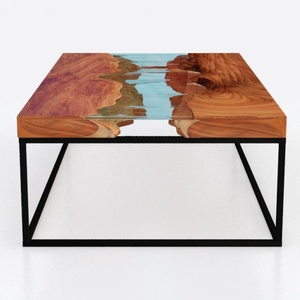
Custom 3D Waves Ocean Dining Table, Blue Ocean
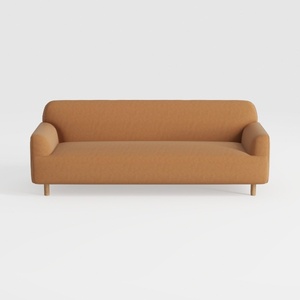
Minimalist Fabric Wooden Legs Sofa 3D Model
Looking to transform your space? Homestyler offers an intuitive online design tool and stunning 3D renderings to bring your vision to life. With an array of design projects and helpful DIY video tutorials, it’s perfect for anyone wanting to create their dream home effortlessly!
Progetta ora GRATIS
































