

Direct Answer
Achieving the perfect balance between pink and teal in a living room typically follows the 60–30–10 principle: one color dominates, the second supports, and the last adds accent details. Most well-designed spaces feature teal as the primary backdrop with pink highlights or use pink softly against rich teal furnishings. An equal 50–50 split is rarely effective, as it challenges the eye to find a clear visual hierarchy.
Quick Takeaways
Introduction
While pink and teal can appear striking in photos, many homeowners struggle to balance these colors in actual living rooms. With years of experience designing homes, I've noticed a recurring dilemma: clients adore both shades but are unsure how to distribute them properly.
Often, spaces fall into two camps: either they seem overly vibrant and chaotic, or the colors clash and cancel each other out. Effective interiors require a clear hierarchy, where colors lead the viewer's gaze rather than compete for attention.
When collaborating with clients, I frequently start with digital prototypes using software like Homestyler, which enables a precise visualization of layouts and color placements. This AI-driven room planning helps test different ratios before making final design commitments.
In this article, I'll explain which pink and teal combinations succeed, why equal proportions often fail, and how professionals make this daring pair feel cohesive rather than overwhelming.
save pin
Why Pink and Teal Complement Each Other in Home Design
Core Concept: Pink and teal harmonize by blending warm and cool hues, producing a natural contrast that's vibrant yet balanced.
Teal occupies a cool position between blue and green hues, providing a calming, grounding effect. Conversely, pink—especially softer tones like dusty or blush pink—introduces warmth and tenderness. This interplay is known among designers as "temperature balance."
This palette's popularity has surged because it transcends design genres:
Historical references often point to Art Deco interiors from the 1920s, where saturated teal paired with coral and pink created dramatic, luxe environments in hotels and theaters.
The crucial takeaway from these designs is the emphasis on hierarchy—one color invariably leads.
Living Room Styles Featuring Dominant Pink versus Dominant Teal
Main Idea: Selecting a primary color instantly streamlines the design direction and reduces visual confusion.
Successful pink and teal rooms generally emphasize one color on major surfaces such as sofas, walls, or area rugs.
Here's a practical guideline designers rely on:
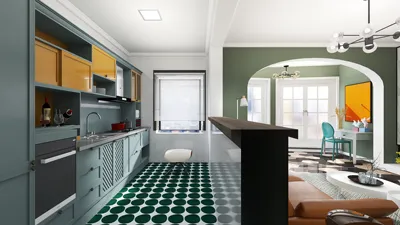
From my observations, teal serves better as the dominant shade because its depth anchors the room visually, while pink excels as an accent color.
save pin
When Does a 50-50 Pink and Teal Mix Work or Fail?
Insight: Perfectly dividing pink and teal evenly often backfires since interiors demand a clear visual hierarchy to steer the eye.
This is a common error among DIY decorators—equal distribution sounds balanced but frequently generates visual clutter.
Reasons include:
However, near-equal proportions can succeed in specific contexts:
Professionals sometimes evaluate these setups with digital floor plans or 3D room visualization tools available in platforms like Homestyler. Mapping furniture arrangements alongside color zones quickly reveals whether the tones harmonize or clash.
save pin
Accent-Centered Color Schemes for Compact Living Rooms
Key Point: In smaller spaces, restricting pink and teal to accent pieces maintains visual calm while preserving the color story.
Limited areas exaggerate color intensity; a bold teal wall paired with expansive pink furniture can overwhelm the environment.
A recommended strategy is:
This approach preserves character without visually shrinking the room.
Effective accent items include:
save pin
How Professionals Determine the Optimal Color Ratio
Crucial Insight: Experts base color ratios on factors like natural light, room dimensions, and textures rather than simple preferences.
Three elements weigh more heavily than most anticipate.
During professional interior planning, designers often trial furniture placements and color schemes simultaneously using digital tools such as Homestyler, making it easier to evaluate if the color balance feels organic or forced.
Answer Box
The most dependable pink and teal living room formula involves 60% dominant color, 30% secondary, and 10% accents. Typically, teal serves as the foundation while pink adds warmth and detail.
Final Summary
FAQ
Is teal or pink better as the primary living room color?
Teal generally makes a stronger dominant color due to its capacity to ground walls and furniture visually.
What is the recommended pink and teal living room color ratio?
Most experts advise a 60–30–10 split, where one hue dominates, the other supports, and accents complete the design.
Can bright pink blend well with dark teal?
Yes, but moderation is essential. Incorporate bright pink in small touches like cushions, artwork, or decor against deep teal pieces.
How extensive should pink and teal coverage be in a living room?
Typically, one shade occupies around 60% of the area, with the other integrated through smaller furniture and accents.
Are pink and teal suitable for modern interiors?
Absolutely. Contemporary designs often use muted pinks with rich teal to establish contrast while keeping the palette refined.
Which neutrals complement pink and teal hues?
Warm whites, light grays, beiges, and natural wood tones soften and enhance the color scheme.
Is a 50-50 pink and teal living room a good design choice?
Generally no; equal division often leads to visual tension unless neutral color breaks are employed.
What textures best suit pink and teal decor?
Materials like velvet, brass accents, marble, and natural woods beautifully complement this color pairing.

Modern Teal Fabric Tufted Extra Large Sofa with Decorative Throw Pillows 3D Model

Modern Contemporary Teal Glass Coffee Table 3D Model
VCUTEKA Mosaic Outdoor Side Table, Patio Side
Homestyler offers an easy-to-use online home design tool with stunning 3D renderings, a vast collection of design projects, and helpful DIY video tutorials—perfect for bringing your interior decoration ideas to life effortlessly.
Design Now for FREE
































