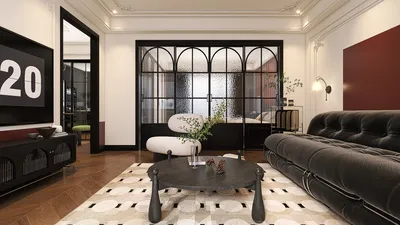


Peach exudes a gentle optimism that infuses warmth without the heaviness found in orange, providing a softness without the sweetness of pink. When paired with carefully curated contrasts, it can serve as a foundation for a living room that feels airy, serene, and inviting. In open-concept spaces, I often use peach as a unifying tone that harmonizes with natural wood, soft textiles, and neutral walls while maintaining a vibrant yet not overpowering visual energy.
Colors do not exist in a vacuum; factors like light and behavior influence our perception of a space. The WELL v2 Light concept highlights the importance of circadian-friendly lighting, advocating for a combination of ambient, task, and accent layers to enhance comfort and alertness (source: WELL v2, Light concept at wellcertified.com). Likewise, IES guidelines suggest ambient lighting for living rooms should be around 100–300 lux, with task lighting at 300–500 lux, ensuring that peach appears lively rather than lackluster (source: IES standards at ies.org/standards). These benchmarks guide me in calibrating the illumination for peach to appear radiant during the day and cozy by night.
Color psychology suggests that warm shades can boost feelings of comfort and sociability. According to Verywell Mind’s overview of color psychology, warm colors are often linked to energy and positivity, yet the gentle nature of peach helps mitigate overstimulation, promoting relaxation (source: verywellmind.com/color-psychology). In practice, combining peach with cooler neutrals can induce a balanced emotional response—invigorating enough for social gatherings while remaining tranquil for evening relaxation.
Establish Your Foundation: Choosing Your Peach
I begin by selecting a foundational tone that stabilizes the room: light peach for walls or a deeper peach for upholstery. A low-saturation peach on walls helps evade visual fatigue, particularly in compact spaces. If your living room faces north, a slightly warmer, creamy peach can counteract the cool daylight. South-facing rooms benefit from abundant sunlight, so I opt for a muted peach with gray undertones to avoid excessive warmth.
Successful Pairings: Peach + Neutrals
Peach complements layered neutrals wonderfully. Consider soft greige walls, a stone or linen sofa, and matte black accents for structure. Off-white wainscoting or paneling adds rhythm and depth, preventing peach from feeling monotonous. For flooring, natural oak or pale ash resonates well with peach’s red-yellow base, while a jute or wool rug grounds the color scheme with texture and acoustic comfort.
Peach + Green: A Harmonious Touch
Sage, eucalyptus, or subdued olive green balance peach by introducing cooler tones and biophilic elements. I frequently incorporate a sage velvet armchair, olive ceramic lamps, and live plants to unify the overall design. The contrasting dynamic between warm, red-based peach and cool greens enlivens the space without creating clashing contrasts. Keep metals warm—such as antique brass or champagne—to mirror peach’s undertones.
Peach + Blue: A Light Contrast
Powder blue or dusty denim serve as a refreshing counterbalance to peach. A blue-striped rug, indigo throw pillows, and a pale blue glass vase can define areas within an open living space. The cool tones prevent the palette from becoming overly sweet while maintaining a welcoming atmosphere. If the setting is coastal, incorporate bleached woods and woven cane to enhance the airy feel.
Peach + Charcoal: Chic and Contemporary
For a more urban vibe, pair peach with charcoal and crisp white elements. A charcoal media wall or a sleek steel coffee table provides definition, while peach drapery or a boucle accent chair softens the overall aesthetic. This combination is well-suited for contemporary art displays and statement lighting, allowing colors to appear refined rather than whimsical.
The Impact of Light: Color Temperature and Layers
Peach flourishes under 2700–3000K warm-white lighting in the evenings; it creates an intimate and flattering atmosphere. During the day, keep curtains or sheers translucent to diffuse harsh light and showcase textures. Employ three layers of lighting: ambient (dimmable ceiling lights or linear cove), task (floor or table lamps at seating areas), and accents (picture lights or wall washers). Aim for ~200–300 lux ambient lighting, increasing to ~400 lux for reading areas according to IES recommendations. Soft finishes on walls and low-gloss floors help regulate reflections and maintain the visual softness of peach.
Textiles and Materials: Adding Softness and Depth
Peach looks most appealing when complemented by varied textures. Linen curtains offer breathability, while chenille or bouclé fabrics provide plush comfort; wool blends enhance acoustic performance. For cabinetry, light oak, rift-cut white oak, or ash maintain harmonious undertones. Steer clear of high-chroma oranges in proximity—they can overpower the delicate essence of peach. Stone options like honed limestone or Calacatta marble with warm veining fit beautifully within the scheme without detracting attention.
Influencing Behavior with Accents
In living rooms, the patterns of behavior matter. Peach wall niches or a subtly peach-painted ceiling border can gently signal gathering areas. A coffee table tray in peach enamel can organize remotes and small items, framing purposeful activity with color. Using color to delineate pathways—a peach runner or artwork directing flow from entryway to seating—can subtly enhance transit without overt signage.
Wall Treatments: Paint, Paneling, or Plaster
While paint is the fastest method, consider using limewash or mineral paint to offer peach a natural variance and depth. In modern settings, fluted wall panels painted in a muted peach add vertical rhythm and emphasize height. Opt for a low sheen (eggshell or matte) to minimize glare, especially under track lighting.
Artwork and Styling: Curating for a Balanced Look
Select artwork with neutral backgrounds and intentional warm accents. Black frames or thin oak edges create contrasting lines. On shelves, alternate item heights and weights: peach ceramics, clear glass objects, and dark books create visual rhythm. Introduce a single bold piece—like a coral print—to add interest, limiting it to one or two per room to maintain balance.
Strategies for Small Spaces
In smaller living areas, keep major surfaces light and uniform. Employ a pale peach wall color, slim-profile seating, and leggy furniture to maximize the perceived floor space. Mirrors situated opposite windows enhance brightness; select frames that correspond with your accent metal. For complicated room layouts, a room layout tool can assist in experimenting with seating arrangements, rug dimensions, and circulation before final decisions are made.
room layout tool
Sustainability Considerations
Choose low-VOC paints to ensure healthier indoor air quality. Natural fiber rugs (such as wool, jute, or sisal) offer durability and are simpler to recycle. Selecting FSC-certified wooden furniture enhances peach’s organic ambiance. Investing in durable, timeless materials leads to fewer replacements, supporting both sustainability and budget-friendly choices.
Lighting Fixtures: Balancing Form and Function
Peach benefits from diffused light fixtures—like fabric drum pendants, frosted glass globes, and shaded floor lamps. Employ dimmers for each circuit to allow for control throughout the day. Position task lighting at a height of 30–36 inches above seating surfaces to facilitate comfortable reading. When showcasing art, opt for lamps with a CRI of 90+ to ensure peach tones remain true to life.
Peach for Various Design Styles
• Modern: Combine with charcoal, sleek black lines, and sculptural lighting.
• Scandinavian: Pair with light woods, tactile textiles, and soft whites.
• Bohemian: Layer in plants, woven textures, and patterned rugs, adding terracotta details.
• Mid-century: Incorporate walnut, brass, and geometric patterns to keep the palette grounded and classic.
Practical Color Combinations
• Soft Daylight: Wall—muted peach; Sofa—linen oatmeal; Accents—sage, brass, clear glass.
• Urban Warmth: Wall—warm off-white; Chair—peach boucle; Anchors—charcoal media wall, black frames.
• Coastal Calm: Wall—pale peach; Rug—blue stripe; Wood—bleached oak; Metals—champagne.
Frequently Asked Questions
Q1: Does peach make a small living room feel cramped?
A: A light, desaturated peach can create an illusion of space when paired with light-colored floors and sufficient ambient light around 200–300 lux. Choose leggy furniture and avoid bulky drapes.
Q2: What color temperature is best for enhancing peach at night?
A: Warm white lighting in the 2700–3000K range retains peach’s glow. Consider adding dimmers to adjust the intensity and avoid oversaturation.
Q3: Which neutral tones work best with peach?
A: Greige, off-white, and soft taupe are reliable choices. Charcoal provides modern contrast, while matte black offers crisp outlines without overpowering the palette.
Q4: How do I balance peach with cooler shades?
A: Integrate sage or dusty blue in fabrics and accents. These colors balance out warm undertones, promoting a calm, airy ambiance.
Q5: What materials enhance peach’s warmth without veering into orange?
A: Light oak, ash, honed limestone, and linen are excellent options. Steer clear of glossy finishes that might distort the color under bright lights.
Q6: Any tips for displaying artwork against peach walls?
A: Select neutral or black frames and choose art with muted warm elements. A singular intense piece can energize the space; keep the rest subtle for overall harmony.
Q7: What lighting levels are suitable for reading corners?
A: Aim for approximately 300–500 lux at task locations, following IES guidelines. A well-positioned shaded floor lamp next to seating works effectively.
Q8: Which metals pair best with peach?
A: Warm metals like brass and champagne nickel harmonize with peach’s tones. In contemporary designs, combining these with soft matte black adds intriguing contrast.
Q9: Can peach fit into a minimalist living area?
A: Certainly—utilize a soft peach accent chair or a single feature wall, ensuring styling remains restrained and lines are clean to maintain tranquility.
Q10: How do I keep the room from feeling overly sweet?
A: Introduce structural elements—charcoal, black, or dark wood tones—and geometric designs in lighting or furniture to add sharpness to the palette.

2 Piece Velvet Upholstered Sofa Sets,Loveseat and
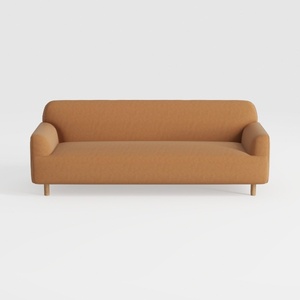
Minimalist Fabric Wooden Legs Sofa 3D Model

Lazzo Rattan Coffee Table Mid Century Modern Cente
Homestyler is your go-to platform for transforming home design ideas into reality! With an easy-to-use online design tool, stunning 3D renderings, and a treasure trove of DIY video tutorials, you can confidently create and customize your perfect space. Start designing today!
Concevez maintenant gratuitement
































