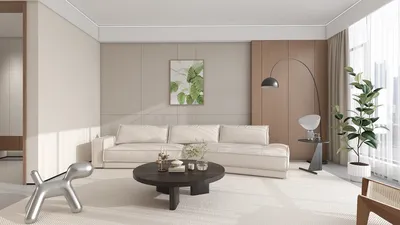


In designing parapet walls for smaller residences, I prioritize a careful balance of safety, visual proportion, drainage, and a sense of lightness. On compact lots, parapets serve essential functions such as securing roof edges, hiding utilities, accommodating planters, and defining the structure's skyline without adding bulk. Beyond just aesthetics, these designs contribute to human comfort by directing wind for terrace enjoyment, managing glare in rooftop lounges, and dampening noise near busy streets, making tools like Homestyler invaluable for visualizing these spaces.
Every design choice counts significantly. According to the WELL v2 standards, outdoor areas should minimize glare and promote thermal comfort, which enhances the well-being of occupants. These guidelines set benchmarks for luminance contrasts to prevent visual strain (further details can be found on the WELL v2 glare considerations page). Research from Gensler consistently indicates that access to quality outdoor environments boosts both satisfaction and productivity, reinforcing the significance of livable roof terraces framed by parapets. Such insights reaffirm a design philosophy where these structures create comfortable microclimates while maximizing usable spaces.
Understanding the acoustic environment is equally important. Steelcase's findings illustrate that noise distractions are among the most significant issues impacting work performance. Although a small home differs from a corporate setting, similar concepts hold true—having edge barriers and substantial materials on the roof's perimeter can help minimize ambient street noise from invading rooftop areas. When I incorporate parapets, I prefer designs that merge solid structures where necessary with perforated sections that permit light and airflow.
When it comes to proportions, heights, and safety, the common height for parapets in small homes typically ranges from 30 to 42 inches—to ensure safety while also preserving sightlines. I adjust this measurement based on the intended use: for rooftops meant for occupancy, I gravitate toward the higher end at about 42 inches; for purely serviceable roofs, a height of 30 to 36 inches is usually adequate. To prevent a top-heavy appearance, I recommend a slim visual presence of 4-6 inches for cavity walls or 2-4 inches for concrete designs with returns. Implementing corner returns not only enhances stability but also provides clean shadow lines, an aspect that can be effectively planned through the Homestyler tool.
Addressing drainage, thermal expansion, and detailing, water damage remains a primary issue. My design strategy includes crafting parapets equipped with continuous cap flashing (ideally sloped) and either through-wall scuppers or concealed overflow drainage systems. The IES guidelines on exterior lighting remind us that stagnant water can reflect light and worsen glare, making efficient drainage crucial not only for safety but also for visual comfort. Always ensure expansion joints are in place based on the structural engineer's advice, and specify breathable, UV-stable sealants for the coping laps.
For managing light environments and glare, compact rooftop lounges can suffer from excessive glare. I opt for light-textured, matte coping stones and low-SRI finishes on the interior sides to help soften reflections. Incorporating shielded LED lighting fixtures, ideally those set at a warm 2700–3000K below eye level, aligns with IES recommendations to minimize direct visual exposure to luminaires. In cases where a rooftop area doubles as a workspace, I target vertical light levels around 50–150 lux in the evening, creating an ambiance of relaxation while still emphasizing safety.
Color influences perception, making small houses appear taller or lighter. Drawing from research on color psychology, I apply cooler, desaturated color palettes to parapets, achieving a visual retreat effect, while warmer tones at entrances pull focus. A light, neutral coping juxtaposed against a darker parapet face accentuates horizon lines and contributes to an impression of lightness, a design aspect effectively explored using the Homestyler software.
Material choice is crucial for longevity. In coastal or sunny climates, fiber-cement with sealed joints or cast-in-place concrete with integrated coloring is essential for resisting UV and salt damage. For moderate climates, brick with soldier-course copings provides a classic texture. It's vital to avoid porous caps; using metal copings with hemmed edges or stone featuring drip kerfs on both sides can help divert water away from the walls. Focusing on durability delivers sustainability: less frequent replacements equate to reduced embodied carbon over time.
Utilizing parapets beyond protection is also vital. I incorporate narrow storage for cushions within thickened sections and build 12-16 inch deep planter ledges equipped with internal irrigation systems, all while maintaining a clean exterior face that promotes greenery. These elements require thoughtful waterproofing and proper overflow channels. When configuring the rooftop layout, employing a room layout tool assists in organizing seating arrangements, planters, and lighting to ensure continued circulation and clear views, demonstrating how Homestyler can facilitate these design decisions.
In terms of wind, acoustics, and microclimate management, I shape parapets with staggered heights: taller on the windward side and lower on the leeward to provide relief. Integrating perforated panels within the parapets mitigates pressure differentials while ensuring safety. For homes in noisier areas, combining dense materials at the parapet perimeter with timber top rails aids in absorbing high-frequency sounds. Additionally, incorporating plantings like grasses and shrubs along the parapet can softly absorb noise while maintaining an open sky view.
The rhythm and proportions in spatial ratios are essential for visual engagement. To maintain motion in small elevations, I segment lengthy parapets into bays of 6–10 foot modules, employing subtle pilasters or changing coping styles. Aligning the steps of the parapets with interior walls below allows for structural honesty and harmony. A vertical-to-horizontal ratio of 1:1.6 for steps and runs can create pleasing aesthetic proportions, easily visualized via tools like Homestyler.
Regarding the detailing of copings and edges, I recommend a slight inward slope (1–2%) on copings to prevent outward streaking. Incorporating double-drip grooves further helps in keeping surfaces clean and minimizing staining. Additionally, thermal breaks on metal copings can reduce heat transfer beneath occupied spaces. If wooden top rails are used, selecting highly durable materials like thermally modified ash and keeping them elevated off the coping with hidden brackets will promote airflow and longevity.
It’s crucial that a parapet complements the structure it caps. Selecting a coping profile that resonates with window sills or lintel features promotes coherence. For compact modern homes, flush copings and shadow-gap joints create a light and straightforward feel; while traditional forms benefit from slight overhangs and beveled edges that evoke familiarity and elegance.
Parapets can effectively conceal roof utilities such as condensers, vents, and PV combiner boxes. Ensuring service access through removable panels is important, and all equipment must remain hidden below the coping line for aesthetic appeal. Vent terminations should extend sufficiently above the roof level per code, maintaining a low visual impact from the street.
- Minimalist: a skim-thickness concrete parapet with flush metal coping and integrated warm linear lighting.
- Brick cottage: soldier-course coping capped with stone, featuring planter pockets and soft uplight grazing for texture.
- Coastal: fiber-cement facade with stainless steel coping and wind-perforated screens within parapet areas.
To streamline the planning workflow, begin with determining the necessary safety height and drainage strategy. Then layer in glare control and appropriate lighting, before incorporating seating and planter features wherever structural constraints allow. Testing various layouts and assessing microclimates is crucial, especially on constrained sites. An interior layout planner can simulate circulation and views effectively, enhancing usability of rooftop spaces, with tools like Homestyler being essential in this endeavor.
Regular maintenance and lifecycle management are imperative. Schedule seasonal reviews to inspect coping seams, sealant durability, and the effectiveness of scuppers. Clean biofilm buildup promptly to prevent darkening of coping edges. Promptly replace any failing sealants with high-quality UV-stable alternatives, and re-coat metal components as needed. Comprehensive maintenance ensures that parapets serve their function effectively while helping the small house maintain visual appeal.
FAQ
Q1: What is the safest height for a parapet on a small roof terrace?
A: A good height for occupiable roofs is 42 inches, which balances safety and sightlines. For service roofs, a range of 30–36 inches usually complies with local regulations.
Q2: How can I avoid water leaks at my parapets?
A: Implement sloped copings, continuous flashing, and through-wall scuppers with provisions for overflow. Regularly check sealants and ensure expansion joints are correctly positioned according to structural guidelines.
Q3: Which materials are most effective for parapet copings?
A: The best options include metal copings with hemmed edges, dense stones with dual drip kerfs, or high-quality concrete with integral color. Avoid porous caps that absorb moisture.
Q4: How can I ensure lighting is comfortable on a small rooftop?
A: Opt for shielded fixtures in the 2700–3000K range, place sources out of direct view, and aim for moderate levels of vertical illuminance to reduce glare—all in line with IES recommendations.
Q5: Can parapets help mitigate noise?
A: Absolutely. The solid mass at the parapet's edge helps reduce low-frequency noise transmission; combining timber rails and plantings can also effectively absorb higher frequencies.
Q6: How do I visually enhance the height of a small house using parapets?
A: Utilizing cool, desaturated colors on the parapet promotes a recessed appearance, contrasted by a crisp, light coping line that emphasizes the horizon, and controlled vertical steps to guide the viewer's eye upward.
Q7: What layout tools are useful for planning rooftop furniture around parapets?
A: Using a room design visualization tool enables you to experiment with arrangements of seating, planter depths, and lighting placements to facilitate circulation and views.
Q8: Are perforated parapet sections safe to use?
A: If they are designed with adequate structural reinforcement, appropriate opening sizes, and safe height, then yes, they can successfully manage wind while providing visibility; always consult local codes for guidance.
Q9: How do parapets affect energy efficiency?
A: Well-designed parapets reduce thermal bridging and protect membranes, which leads to lower maintenance needs and reduced heat gain over time.
Q10: What are the best practices for concealing roof equipment?
A: Keep all units below the coping line, use removable panels integrated within the parapet, and ensure access routes remain clear for servicing.

Minimalist Brown Leather L-shaped Sectional Sofa 3D Model

Minimalist Vintage Leather Extra Large Sofa 3D Model

Yozma Curved Chenille Sectional Sofa Beige, Dual D
Homestyler is your go-to online home design platform! With its user-friendly design tool, stunning 3D renderings, and a wealth of inspiring design projects and DIY video tutorials, you can effortlessly create your dream space—whether you're a novice or a seasoned designer!
Design Now for FREE
































