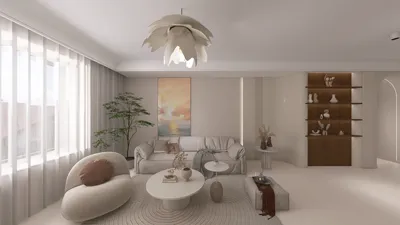


During one of my visits to a client's apartment, I expected to assist in selecting a soft gray for their walls. To my surprise, the walls were already exuberantly painted in a vibrant lipstick-red by an eager roommate. This led to laughter and a valuable lesson: in smaller rooms, making clear choices is crucial, as even minor mistakes can be quite pronounced. For anyone looking to visualize color selections accurately before making a commitment, utilizing tools like Homestyler can be a game changer in saving both time and money.
Small spaces ignite tremendous creativity, and a room measuring 12x12 serves as the ideal canvas for such endeavors. In this article, I'll guide you through five practical painting scenarios, explore the reasons behind varying costs, and share quick tips I employ on-site to maintain budget transparency.
1. Basic DIY Refresh — Lowest budget (~$80–$250)
If you’re adept at using a paint roller, opting for a DIY refresh can be the most economical approach. For a standard 12x12 room with 8-foot ceilings, you’ll typically require about 1 to 3 gallons of paint, depending on the color change and number of coats. Budget paints generally cost between $25 and $60 per gallon, along with additional supplies such as rollers, tape, and drop cloths, which can range from $20 to $50.
Reasons to consider this method include its fast execution and affordability. However, be aware that preparation can be time-consuming (including patching and light sanding), and uneven coats are not uncommon. A helpful tip is to purchase a little extra paint for touch-ups and to select a mid-grade option for better coverage.
save pin
2. DIY with Primer & Better Paint — Mid-low budget (~$200–$400)
By incorporating a primer along with quality paint, you enhance coverage, conceal stains, and lessen the need for multiple coats. Expect to pay a bit more for paint, typically around $40 to $80 per gallon, and you may need to buy a gallon of primer, particularly when transitioning from dark to light hues.
Advantages include a more durable finish and fewer touch-ups, though it necessitates a higher initial investment and increased time. This approach can strike a balance for renters or first-time homeowners who desire near-professional results without the associated labor costs.
save pin
3. Professional Painter — Typical pro cost (~$300–$900)
When hiring a professional for a 12x12 room, costs can vary significantly based on your location and preparation needs. Labor usually constitutes the bulk of the expense; many painters charge either a flat fee per room or by square foot, and prices typically range from $300 to $900, influenced by trim details, ceiling work, and the necessity of two coats.
The benefits of hiring a pro include speed, a flawless finish, and thorough preparation (which often involves repairing drywall). Keep in mind, though, that the trade-off is increased cost. For planning your furniture layout and wall treatments beforehand, consider using tools like Homestyler for mock-ups to minimize the risk of needing rework.
save pin
4. High-End or Specialty Finishes — Premium budget (~$900–$2,000+)
Should you wish for unique finishes like Venetian plaster, color-wash techniques, or metallics, be prepared for premium pricing. These specialized finishes require particular materials and skilled techniques, leading to significant costs.
Although I appreciate the impact of these finishes as showstoppers in small spaces, they may not be practical for every bedroom. One alternative to consider is creating an accent wall, which can deliver a strong visual impact without the expense of painting the entire room.
save pin
5. Full Prep + Trim + Ceiling Included — All-in professional (~$500–$1,200)
When the scope encompasses trim, doors, or ceilings, the final invoice will reflect the added labor: this involves taping, priming, and applying multiple paint types. This comprehensive approach typically yields the cleanest, most professional results available.
While this may be on the pricier side, it saves you from potential headaches and saves valuable time. Before finalizing your decision, ensure you request a clear scope of work and timeline. Furthermore, if possible, ask to view 3D color renderings through platforms like Homestyler to ensure the finished room aligns with your expectations.
save pin
Quick Cost Breakdown & Practical Numbers
For a 12x12 room with 8-foot ceilings, here’s a rough calculation: the wall area is approximately 384 square feet. One gallon of paint typically covers about 350 to 400 square feet per coat. Generally, you may require two gallons, particularly if you’re switching from dark to light colors. Additional materials and tape might add another $20 to $60. Labor can be the unpredictable component.
Bear in mind that factors such as regional prices, paint brands, preparation work, and the extent of areas being painted (trim, doors, ceiling) can create substantial variations in price. I always allocate an extra 10–20% in my budget for unexpected expenses.
save pin
FAQ
Q: How many gallons of paint do I need for a 12x12 room?
Typically, you’ll need 1 to 2 gallons if applying two coats and making modest color changes. Significant shifts or textured surfaces may require additional paint.
Q: How long does painting a 12x12 room take?
For DIY enthusiasts, expect to allocate a weekend for preparation, priming, applying two coats, and allowing for drying time. Professionals, on the other hand, can usually complete the task in a single day, but details like trim work and drying times can extend the schedule.
Q: Is primer always necessary?
Using primer is advisable when covering dark shades, stains, or fresh drywall, as it boosts adhesion and can reduce the number of paint coats required.
Q: Can I save money by only painting one wall?
Certainly—a feature or accent wall is a budget-friendly method to revitalize a space without incurring the full cost. This significantly decreases paint requirements and labor while still creating a notable visual effect.
Q: How much does a professional charge per square foot?
Professional rates typically vary, generally falling between $1 and $3 per square foot for standard projects, excluding high-end finishes and extensive preparation work. Always obtain detailed estimates.
Q: What is the average national cost to paint a room?
As reported by HomeAdvisor (2024), the average expense for painting a small room generally lies between $300 and $800, contingent upon the complexity and locale.
Q: Should I pay extra for low-VOC or premium paint?
Premium and low-VOC paints have higher initial costs but offer improved coverage, durability, and reduced odors. I frequently recommend these types for bedrooms and family spaces.
Q: How do I choose the right sheen?
For walls, matte or eggshell finishes can effectively conceal imperfections, while satin or semi-gloss is better suited for trim and kitchen areas due to ease of cleaning. The choice of sheen should align with the room's function and wall conditions.
save pin
Homestyler is your go-to online home design platform! With its easy-to-use design tool, stunning 3D renderings, and a wealth of DIY video tutorials, you can effortlessly create and visualize your dream space. Transform your home design ideas into reality with Homestyler!
Design Now for FREE
































