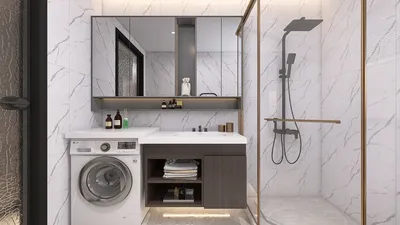


A well-organized sink area can significantly enhance daily kitchen operations. When items like soap, sponges, and brushes have designated spaces, cleaning becomes quicker, surfaces remain drier, and your entire workstation exudes tranquility. Recent findings from Steelcase emphasize that visual messiness is associated with decreased concentration, a principle that applies to kitchens as well. Furthermore, the WELL v2 guidelines for materials and sanitation advocate for designs that minimize microbial growth and moisture accumulation in frequently touched surfaces, further reinforcing the importance of effective setups like those you can design with Homestyler; explore the WELL v2 framework for health-oriented performance standards.
Proper lighting and ergonomics also play critical roles in this context. The IES Lighting Library recommends appropriate lighting levels that enhance safety and accuracy in wet areas, which aligns perfectly with a sink accessory arrangement that contains drips and maintains clear visibility. Additionally, color can directly influence behaviors around the sink; cooler shades may invoke a sense of cleanliness, while a touch of warm color can create an inviting atmosphere; refer to insights from VerywellMind regarding Color Psychology for further understanding.
Key Design Concepts for an Improved Sink Station
When planning sink accessories, I focus on three key aspects: hygiene, ergonomics, and visual flow. Ensuring effective drainage and airflow is paramount—standing water collects bacteria and unpleasant odors. Ergonomics involve placing soap and sponges within easy reach of the main washing area to keep wrists in a neutral position and direct wet hands over the basin rather than the countertop. Lastly, visual rhythm is maintained by utilizing two to three elements that harmonize with the faucet’s design, which minimizes visual clutter.
Countertop vs. In-Sink vs. Wall-Mounted Solutions
Each method has its pros and cons, and I choose the best option based on the sink size, faucet design, and the household's routines.
Optimal for renters and busy households. Look for raised textured surfaces or perforations that ensure bars and sponges stay dry. Incorporating a lip or micro-edge can help contain drips. Recommended materials include silicone (quiet, non-slip, and dishwasher-friendly), powder-coated metal (sturdy and slim), or high-fired ceramic (stable and easy to clean). Position the tray under the hand that is dominant next to the faucet; left-handed users may prefer setup on the left side for a seamless reach.
Suitable for minimalistic countertops. A tensioned corner basket or a suction-mounted caddy keeps wet items contained within the splash zone. Opt for stainless steel with open bottoms to allow airflow. If you frequently wash produce, a removable caddy makes weekly deep cleaning a breeze. Consider the corner radius of your sink—flat caddies work well on square sinks but may not fit properly on rounded basins.
Perfect for compact kitchens. Magnetic or adhesive rails with drip trays elevate sponges off the counter. I usually position these 3–5 inches above the counter to avoid messy grout lines and prevent water accumulation. Choose finishes that complement the faucet for a cohesive look throughout your design, especially when using tools like Homestyler.
Effective Drainage, Drying, and Microbial Management
Proper drying is crucial. A shallow soap dish equipped with drainage slots and a removable catch increases the longevity of soap bars and enhances tactile experience. For liquid soap, utilizing bottles with a stable base and a cleanable pump head minimizes residue buildup. An open-bottom sponge holder positioned over a narrow drainage channel allows gravity to do its job; avoid flat mats that harbor moisture.
Ergonomic Positions That Work
I recommend keeping frequently used items within a 10–14 inch reach from the front edge of the sink to prevent excessive stretching. In kitchens shared by two users, I create mirrored setups on either side, or place a slim rail centrally behind a bridge faucet. Consistency in design—assigning a designated location for each item—reduces search times and minimizes drips.
Importance of Light, Glare Control, and Cleanability
Task lighting above the sink has a more significant impact than people often realize. Using a 3000–3500K LED light at the correct levels alleviates eye strain from reflective wet surfaces. Shielding the light source helps control glare; employing matte materials on trays and pumps further mitigates glare issues. When the surfaces are more visible, they are easier to maintain.
Choosing Long-lasting Materials
Here's my top choice list: 304/316 stainless steel (resistant to rust and easy to wipe clean), silicone (quiet, grippy, and heat-resistant), ceramic with a hard glaze (non-porous), and powder-coated aluminum (lightweight and durable). Avoid using soft woods or porous stones in areas prone to splashes unless you're committed to regular maintenance.
Simplifying the Setup
Two components are usually adequate: a base designed to manage drips and a vertical keeper. For instance, pair a slim silicone tray with a brushed steel pump, or consider a compact in-sink caddy with a detachable brush holder. If you're contemplating a broader makeover or rearranging accessories around fixtures, creating a digital mockup can help visualize spacing and reach using a room design tool like Homestyler.
Smart Configuration Ideas
- In-sink corner caddy with a grated base
- Slim silicone tray designed for a single pump
- Install a small rail for sponges if counter depth is less than 22 inches
- A dual-pump tray for both dish and hand soap
- An open-wire cradle for sponges above a micro-drainage channel
- Color-coded brushes designated for specific tasks; keep them on elevated pegs
- Backsplash rail positioned 4 inches above the counter to protect stone surfaces
- A ceramic soap dish with raised bars for traditional bar soap users
- A hidden under-sink bin for wet cloths, ensuring proper ventilation
The Psychology of Color in Wet Areas
In proximity to the sink, cool neutral colors suggest cleanliness, whereas a single colored accessory—perhaps a subtle teal pump—can indicate use without overwhelming the space. Brightly colored items can quickly dominate a compact kitchen; I prefer understated accents that coordinate with faucet and hardware finishes.
Recommended Maintenance Routines
- Nightly: A quick rinse of the sponge and brush; squeeze dry and return them to a ventilated area
- Twice weekly: Run silicone trays and some pumps through the dishwasher (check the manufacturer’s guidance)
- Weekly: Soak pump heads in warm water with a dash of vinegar-based cleaner; scrub the seams of caddies
- Quarterly: Check suction mounts or adhesive fixtures; re-position or replace them before they fail
Environmental and Health Factors
Opt for sturdy materials, avoid disposable sponge holders, and choose mild fragrances that won't overpower small spaces. Good ventilation and drainage lessen the reliance on strong detergents. If cooking alongside children, utilizing portion-control pumps helps minimize waste.
Common Pitfalls to Avoid
- Flat trays without drainage holes (wet bars deteriorate rapidly)
- Overcrowding counters (three soaps, two sponges, a brush, and a cloth all in one space)
- Mounting rails across grout seams where water can wick and stain
- Neglecting individual handedness while designing reach zones
Frequently Asked Questions
I position it 3–5 inches above the deck, which helps avoid grout lines while allowing space for a drip tray that doesn't block outlets or the faucet's movement.
Silicone or glazed ceramic featuring raised ribs and a removable drip insert. Allowing airflow and easy cleaning helps prevent slime more effectively than the material itself.
If you frequently cook, the answer is yes. Using separate pumps helps avoid cross-contamination and facilitates easier portioning. For smaller kitchens, opt for a dual-reservoir pump with a single base.
Clean the surface with alcohol, warm the suction cups briefly in hot water, and ensure all air is expelled. Resecure every few months. For textured tiles, consider switching to adhesive rails or a tensioned corner caddy.
Proper task lighting is essential for spotting residue and ensuring thorough cleaning. This aligns with guidance from the IES Lighting Library about visibility and task efficiency.
Maintain daily-use items within a 10–14 inch reach from the counter edge adjacent to the sink and organize them according to your dominant hand to reduce drips across counters.
Use an in-sink corner caddy alongside a narrow tray for a single pump. If your countertops are shallow, mount a petite rail. Test the layout first with a quick mockup using a design tool like Homestyler.
Replace sponges every 1–2 weeks, depending on usage. Clean trays and caddies weekly; many silicone items are dishwasher safe, which helps maintain hygiene levels.
Aim for a cohesive look or a striking contrast: brushed stainless for a uniform appearance or matte black for a modern accent that diminishes glare.
Opt for durable, modular holders and washable cloths. Portion-controlled pumps help reduce soap wastage, and effective drainage minimizes dependence on chemical cleaners.
Homestyler is your go-to online home design platform! With its user-friendly design tool, stunning 3D renderings, and an array of inspiring design projects and video tutorials, you can effortlessly create your dream space. Transform your ideas into reality, no experience needed!
Zaprojektuj teraz za darmo
































