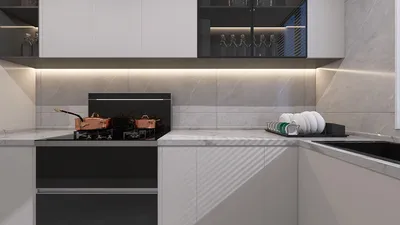


A 5x10 bathroom can be surprisingly spacious when circulation, storage, and lighting are thoughtfully coordinated. I consider the 50 sq ft layout as a linear stage, where every element must serve a purpose, from the door swing to the shower entry. In practice, an effective design combines a narrow vanity, functional wet zone, and multi-layered lighting to facilitate everyday routines while avoiding visual clutter. Utilizing tools like Homestyler can aid in planning these elements effectively.
Scale and human comfort are essential. The WELL Building Standard emphasizes glare management and sufficient lighting as fundamental health strategies; specifically, WELL v2 recommends ambient light levels between 200–300 lux for general tasks, while mirror areas should receive over 500 lux with low-glare vertical lighting to reduce shadows on the face (wellcertified.com). Research by Steelcase links environmental quality to mental performance and wellbeing, underscoring the importance of balanced lighting and acoustics in small yet functional spaces (steelcase.com/research). These standards help ensure that compact designs remain both cozy and secure.
In elongated 5x10 configurations, I prefer two planning models: a single-wall wet zone offering linear flow, or a split layout that positions the shower at one end while placing storage on the opposite side. Evaluating door swings, clearances, and fixture spacing can be greatly enhanced by using layout simulation tools such as Homestyler to visualize traffic patterns and adjust fixture sizes before any renovation begins.
Idea 1: Linear Wet Zone with Sliding Glass
I arrange the shower, toilet, and vanity along one wall to simplify plumbing and reserve the opposite wall for storage solutions. A frameless sliding glass shower minimizes obstruction in circulation while effectively containing moisture without door swing issues. For the vanity, I maintain a depth of 18–20 inches to enhance walking space, complementing it with a 24–30 inch mirror cabinet. Vertical sconces set 30–36 inches apart at eye level deliver consistent facial lighting of 500–700 lux while reducing glare.
Idea 2: Shower at the End with Pocket Door
Locating the shower at the short end gives a clear termination and optimizes the center area for movement. A pocket door conserves floor space and prevents hinge issues with the toilet. I favor a 60-inch shower with a minimalist curb or a linear drain to create a seamless floor. Additionally, consider installing a ceiling-mounted exhaust fan near the wet area for better humidity management and reduced odor spread.
Idea 3: Wall-Mounted Fixtures to Enhance Floor Continuity
Wall-mounted toilets and vanities visually enlarge the space by revealing more floor area and facilitating cleaning. I keep the rim height around 15–17 inches for comfort. Recessed storage niches above the toilet or in the shower area efficiently hold everyday items without intruding into walkways. Ensure that storage solutions feel integrated rather than added on.
Idea 4: Layered Lighting for Functionality and Serenity
Compact bathrooms benefit from three layers of lighting: ambient (with recessed or surface mounts providing 200–300 lux), task (mirror lighting producing 500+ lux), and accent (toe-kick LED or niche lighting to create visual rhythm). To reduce glare, avoid placing bare bulbs at eye level and choose a color temperature between 2700–3000K for warmth, adjusting to 3500K for a brighter working environment. Follow IES standards to position luminaires carefully to avoid harsh contrasts at the mirror (ies.org/standards).
Idea 5: The Impact of Color Psychology in Narrow Spaces
Color significantly affects perceived size. Soft, muted hues such as warm greige, pale sage, or powder blue soothe the eye and minimize contrast lines, thereby expanding space visually. According to Verywell Mind's studies on color psychology, shades of blue and green commonly encourage relaxation and clarity (verywellmind.com/color-psychology). I keep vivid accent colors minimal—typically using them only in textiles—to reduce visual chaos.
Idea 6: Seamless Flooring and Textured Walls
Employing a uniform floor—such as large-format porcelain tiles with tight grout lines—extends sightlines. On walls, integrate textures without overcrowding: use satin paint in dry areas and subtle matte tiles or micro-ribbed ceramics in the shower area to ensure slip resistance. Matte finishes help control glare in smaller rooms, allowing the eyes to adjust comfortably.
Idea 7: Recessed Niches and Slim Storage Solutions
In a 5x10 space, I create recesses wherever the structure permits. A 12–14 inch wide niche above the vanity or a 24–30 inch mirrored cabinet provides easy access. I prefer minimal pull handles and opt for soft-close mechanisms to minimize noise. For linen storage, a 9–12 inch deep tall cabinet can be positioned beside the vanity without hindering flow.
Idea 8: Ensuring Acoustic Comfort in Hard-Surfaced Environments
Small bathrooms can generate echo. I introduce soft elements—like textiles, a wood-look composite ceiling feature, or acoustic-backed vinyl on one wall—to absorb reverberation. Careful selection of exhaust fans is also crucial: opt for low sones to maintain acceptable conversation or privacy noise levels.
Idea 9: Environmentally Friendly and Low-Maintenance Materials
Materials such as porcelain tile, quartz surfaces, and compact laminates provide durability with little need for sealing. Opt for WaterSense-labeled fixtures to conserve water without compromising performance. In shower areas, a linear drain combined with pitched large-format tiles minimizes grout maintenance while enhancing accessibility.
Idea 10: Intelligent Storage and Lighting Management
Using dim-to-warm lighting creates a space that transitions from morning to evening effectively. Motion sensors can activate toe-kick lights for low-level illumination during nighttime, avoiding harsh brightness. I also incorporate charging options within a vanity drawer for electric toothbrushes or razors, maintaining clear counters.
Planning Dimensions to Maintain Realism
- Clear walkway: aim for a minimum of 30–32 inches between opposing fixtures.
- Vanity: maintain an 18–20 inch depth, with a width of 24–30 inches for a single sink setup.
- Shower: a 36x60 inch size is comfortable; 30x60 inches works with thoughtful door and drain considerations.
- Mirror lighting: center mounted lights should be 60–66 inches from the floor, spaced properly to avoid shadowing the face.
- Toilet clearances: aim for 15 inches from the centerline to either side, with 24 inches clear in front.
Layout Strategy for 5x10 Spaces
I start by defining the wet zone before adjusting sightlines. Ensure that major vertical elements—such as the shower glass, vanity edge, and storage units—are aligned to promote rhythm along the 10-foot axis. If exploring design options, using an interior layout planner like Homestyler can quickly help you compare door types, fixture depths, and ventilation placements.
Material Palette Recommendations
- Flooring: large-format porcelain, either 24x24 or 12x24, with matte finishes (R10/R11) in wet zones.
- Walls: satin paint that is washable in dry sections; matte ceramic or stone in areas exposed to water.
- Countertops: quartz with eased edges; maintain a 4-inch backsplash or opt for full-height.
- Fixtures: brushed nickel or warm bronze finishes for a softer look.
- Mirrors: choose low-iron glass for accurate color representation.
Lighting and Glare Management
Ensure a balanced mix of vertical and horizontal lighting. Position mirror sconces just outside the mirror's width so that the face is illuminated from both sides instead of only from above. Luminance ratios should be gentle—no single fixture should significantly overpower the others—and dimming options should be available to adapt to morning and evening requirements.
Minor Rituals, Major Effects
I plan small enhancements that transform daily experiences: a robe hook positioned conveniently close to the shower exit, a shallow tray for organizing skincare products, and a towel warmer placed away from the splash zone. In narrow bathrooms, convenience should take precedence over decoration; every arrangement should minimize unnecessary steps and decision fatigue.
FAQs
Q1: What are the optimal lighting levels for a compact bathroom?
A1: Aim for around 200–300 lux for ambient light and over 500 lux at the mirror using vertical, low-glare fixtures. These recommendations align with the WELL v2 standards and standard task lighting needs.
Q2: How can I prevent the space from feeling cramped?
A2: Use shallow fixtures, install wall-hung components, and unify the flooring materials. Avoid stark contrasts and opt for soft, muted colors to elongate visual perspectives.
Q3: Is a 30x60 inch shower spacious enough?
A3: Yes, provided you choose smart door options (sliding or inward-swinging) and a linear drain. If space permits, a 36x60 inch configuration offers a more spacious experience.
Q4: What color temperatures are ideal for bathroom lighting?
A4: Utilize 2700–3000K warm-white light for a relaxed atmosphere in the morning and evening; consider 3500K for a sharper task light. Keep consistency across all fixtures.
Q5: How can I add storage while keeping circulation clear?
A5: Utilize recessed niches, opt for shallower vanities (18–20 inches), and select slim tall cabinets (9–12 inches) to enhance storage without impeding movement.
Q6: Do acoustics matter in a small bathroom?
A6: Definitely. Hard surfaces can create echoes. Choose a quiet exhaust fan, incorporate soft materials (like textiles and acoustic materials), and minimize gaps that could transmit noise.
Q7: Which materials are best for balancing durability and maintenance needs?
A7: Porcelain tiles, quartz countertops, and matte ceramic tiles in wet areas resist stains and simplify cleaning. Opt for WaterSense fixtures for low water consumption.
Q8: Where is the best location for mirror lighting?
A8: Install vertical lights on either side of the mirror, centered around 60–66 inches from the floor, spaced 30–36 inches apart to create an even facial illumination.
Q9: Are pocket doors worthwhile in 5x10 layouts?
A9: Definitely; they minimize swing conflicts and optimize floor space. Ensure the wall is structured to accommodate the pocket and verify the hardware quality for seamless operation.
Q10: What are the best practices for managing humidity in a narrow bathroom?
A10: Install a low-sones exhaust fan near the shower, use a run-on timer, and ensure glass doors are sealed to contain steam and protect surfaces.



Homestyler is the ultimate online home design platform for anyone looking to create stunning interiors. With its easy-to-use design tool, impressive 3D renderings, and helpful DIY video tutorials, you can effortlessly transform your ideas into reality. Unleash your creativity today!
Дизайн сейчас бесплатно
































