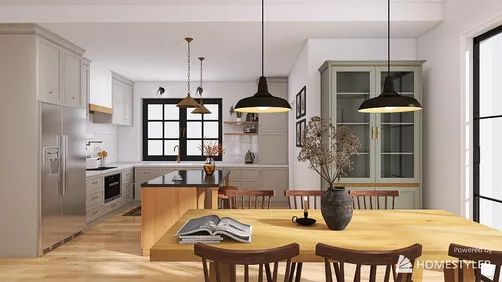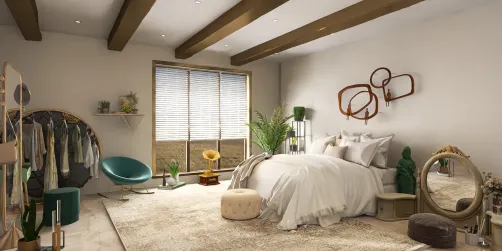



Designing a puja room in a small living space is influenced more by proportions, lighting quality, and the flow of rituals than by the actual area. For compact apartments and urban residences, I often recommend a space measuring between 12–20 sq ft (approximately 3' x 4' to 4' x 5'). This allows for a low platform, movement space for one to two worshippers, and a secure spot for diyas and incense. In homes with limited space, a wall-mounted mandir with dimensions of 24–36 inches in width and 12–18 inches in depth helps maintain the sacred hierarchy and visual clarity.
It is essential to consider scale in relation to human factors and lighting benchmarks. According to the Illuminating Engineering Society, effective task lighting for reading scriptures should be within the 300–500 lux range; I typically adjust localized lighting to around 350–400 lux for scripture reading and aim for ambient illumination at 100–150 lux to create a serene contrast without glare (source: IES standards). Additionally, research from the WELL Building Standard indicates that balanced lighting, clean air, and acoustics greatly enhance cognitive function and emotional well-being; thus, a combination of low glare, warm light, and fresh air is crucial for enhancing the focused energy necessary for puja (reference: WELL v2).
Optimizing the Space for Your Puja Room
For an independent puja space, a clear interior size of 3' x 4' is sufficient for one individual kneeling or sitting cross-legged, accompanied by a platform that is 12–16 inches deep. For two worshippers, consider expanding to 4' x 5', allowing for a 24–30 inch turning radius and safe candle spacing. An 8–9 foot ceiling height provides comfort without feeling congested; vertical proportions are significant since the gaze naturally elevates during prayer—maintaining at least 18 inches of vertical clearance above the deity helps convey a sense of reverence.
In cozy studios or narrow hallways, a wall niche sized between 24–30 inches wide and 12–14 inches deep may suffice, provided the platform height ranges from 24–30 inches for a comfortable line of sight. Edges of the platform should be rounded or beveled to prevent discomfort in tight spaces. When designing micro-apartments, I often simulate various layouts using a design visualization tool, such as Homestyler, to validate circulation space and line of sight prior to finalizing cabinetry.
Safety, Clearances, and Ritual Flow
Understanding actual movement patterns is invaluable: ensure at least 18 inches of kneeling space from the platform edge to the opposite wall, along with 6–8 inches on the sides to facilitate airflow and hand movements for offerings. Maintain a 6–8 inch distance from flames to any vertical surfaces; for oil lamps, use noncombustible materials (stone, quartz, porcelain) on the platform top and along the back panel. A small perforated tray with concealed sand for incense minimizes ash drift.
Consider incorporating sliding or pocket doors to save on swing space while maintaining tranquility. Should you opt for shutters or jaali screens, it's beneficial to include a 1–1.5 inch gap at the bottom to facilitate airflow, particularly if candles are in use. A hard-wired or battery-operated alarm should be positioned nearby if the puja space is enclosed and candles are regularly utilized. Electrical outlets must be placed outside immediate zones of flame; designate one outlet at 36 inches above floor level for lighting and another at floor level for discreet ambient lighting beneath the platform.
Creating Calm, Warm, and Glare-Free Lighting
The ambiance and lighting within the puja room significantly influence the atmosphere and support reading activities. Implementing two lighting layers is recommended: a warm ambient wash (2700–3000K) alongside focused lighting on the deity or central icon. I prefer a compact, shielded downlight or an adjustable micro track light with a 30–35 degree angle to minimize glare and shadows. Maintaining illumination levels of 350–400 lux for reading or scripture viewing while dimming to 150–200 lux during meditation is essential. Low UGR should be preserved by integrating fixtures into the ceiling and using matte finishes on surrounding surfaces. A dimmer is essential; integrated LED strips behind a decorative jaali or around the niche will create a gentle glow without harsh hotspots.
Color temperature plays a vital role in setting the mood: warmer light fosters relaxation and a sense of reverence, while abrupt transitions to cool white can feel sterile and disrupt the flow of rituals. If natural light enters the room, diffuse it using fabric blinds or latticed wood to avoid direct sunlight on the idols, which can lead to material fading and stark contrast.
Acoustics and Peacefulness
A small puja area also benefits from the use of soft materials. Implementing a wool rug (natural and low-pile) and fabric-covered acoustic panels on the opposing wall can help reduce reverberation and maintain a sense of intimacy during chants. If the puja room is adjacent to a hallway or living room, a solid core door and a compressible seal at the frame can help enhance sound isolation. Moreover, avoid placing the puja room next to refrigerators or bathrooms to minimize mechanical noise and distractions.
Selecting Materials: Symbolic, Clean, and Durable
For platform surfaces, consider non-porous stones (such as quartz or granite), dense hardwoods with low-VOC finishes, or porcelain slabs that resist staining from oils. Back panels can be constructed from solid wood, stone, or lacquered glass for ease of cleaning. It’s advisable to steer clear of highly reflective mirrors positioned directly behind idols, as they can create visual distractions. Materials like brass and copper age beautifully, making them fitting choices for lamps and bells. Opt for low-VOC paints and finishes to ensure good indoor air quality; the WELL v2 emphasizes limitations on material emissions to support occupant health.
Flooring in proximity to flames should be non-slip and easy to maintain; a removable mat or aasan can help define sacred space. When storing items like garlands or ghee, design a well-ventilated drawer or cupboard with discretely placed grilles to keep odors at bay.
Understanding Color Psychology and Iconography
Warm neutrals like almond, sand, or soft ochre create a soothing background, while a single accent color, such as vermilion or marigold on the niche backing, brings focus during ceremonies. According to Verywell Mind, red is associated with energy and attention; using it sparingly can spotlight the sanctum without overwhelming the other elements. For a more introspective vibe, consider muted tones like clay, terracotta, and soft gold. Maintain matte finishes to reduce glare and keep a soft, candlelit effect.
Integrating Storage and Micro-Millwork
Utilizing small spaces effectively requires precise millwork. Implement a drawer with a depth of 6–8 inches for storing incense and matches, a narrow pull-out section for diya plates, and a concealed drip tray beneath the platform to catch any oil. Soft-close hardware will ensure quiet operation. If the puja space is part of a larger living area, integrate it behind bi-fold or pocket doors; consider adding a small motion sensor light for safety in low-light conditions.
Ensuring Proper Ventilation and Air Quality
Since incense and diyas consume oxygen and release particulates into the air, it’s vital to incorporate cross-ventilation or, at the very least, a quiet, low-CFM exhaust fan if the area is enclosed. Position any exhaust system high to stay clear of the flame's trajectory, ensuring balance with a door undercut to prevent negative pressure, which could disrupt the flame. Placing plants like tulsi nearby is meaningful but be sure their soil is covered to prevent ash accumulation on moist leaves.
Determining Placement and Orientation
Ideally, situate the puja space away from high-traffic zones within the home to maintain tranquility. Refrain from positioning it adjacent to bedrooms if early rituals might disturb others, and avoid kitchens to prevent grease and odor interference. If tradition suggests a specific orientation for facing (such as east), ensure that the room's design supports safe clearances and adequate light control without sacrificing safety or acoustics.
Planning and Visualization Strategies
Even the simplest puja rooms can benefit from quick digital mockups. Test variations of 3' x 4' and 4' x 5' footprints, clearance for kneeling, and door strategies using an interior layout planner like Homestyler. This approach helps family members visualize the scale before any construction takes place, allowing for input about sight lines from different positions, lamp placements, and storage solutions without any guesswork.
Quick Reference for Lighting Specifications
- Ambient: 100–150 lux, 2700–3000K, CRI 90+ for accurate color representation.
- Task/Accent: 350–400 lux directed at text or idol, beam angle 20–30°, with a cutoff to minimize glare.
- Dimming: 10–100% range with warm-dim capabilities favored.
- Controls: preset scenes for reading, aarti, and meditation.
Safety Guidelines Checklist
- Utilize noncombustible surfaces around open flames.
- Maintain a clearance of 6–8 inches around diyas.
- Ensure stable and ventilated areas for incense storage.
- Position electrical outlets away from flames and heat sources.
- Use low-VOC finishes and guarantee proper ventilation.
- Incorporate night lighting for safe entries and exits.
Frequently Asked Questions
Q1: What is the optimal minimum size for a dedicated puja area?
A: A space measuring 3' x 4' (12 sq ft) accommodates one individual comfortably with a platform depth of 12–16 inches. For two worshippers, aim for 4' x 5' to ensure sufficient kneeling space and safe distances from flames.
Q2: What brightness level is ideal for the lighting?
A: The ambient lighting should range from 100–150 lux with a warm 2700–3000K temperature. For reading or detailed rituals, maintaining 350–400 lux at the scripture level aligns with IES guidelines while fostering a calming environment.
Q3: Is it acceptable to place the puja in a niche within the living room?
A: Absolutely. A niche measuring 24–36 inches in width and 12–14 inches in depth works effectively. Opt for pocket or bi-fold doors to conceal the area during gatherings, and ensure a 1–1.5 inch undercut for proper ventilation.
Q4: Which materials are resistant to oil and ash stains?
A: Quartz, granite, and porcelain are excellent choices for platforms, while lacquered glass or sealed hardwoods make good options for back panels. Selecting low-VOC finishes is essential for supporting indoor air quality consistent with WELL v2 standards.
Q5: How can I prevent glare on the idol?
A: Position a small, shielded accent light at a 30–35 degree angle with a beam width of 20–30 degrees, keep surfaces matte, and avoid mirrors directly behind the idol. Incorporating a dimmer will facilitate smooth transitions between aarti and meditation.
Q6: Is ventilation important for a small puja corner?
A: Yes, particularly if you frequently use incense or diyas. Implement cross-ventilation or a silent exhaust system placed high on the wall, ensuring a door undercut to avoid negative pressure that may disrupt flames.
Q7: What about acoustics in compact spaces?
A: Incorporate a small wool rug, fabric wall art, or fabric-wrapped panels to soften sound reflections. A solid core door is beneficial if the puja room is close to noisy areas such as living rooms or hallways.
Q8: How tall should the platform be?
A: The platform should be set at a height of 24–30 inches to align the idol with seated eye level while allowing legroom for kneeling. Leave at least 18 inches of vertical space above the idol for an elevated sense of respect.
Q9: Can LED strips replace traditional candles?
A: LED lights can provide a warm aura and minimize fire hazards, but many people still prefer traditional diyas during rituals. If using both, ensure flame areas are separated from the electronic elements and provide noncombustible surfaces nearby.
Q10: Any recommendations for multi-faith households?
A: Consider utilizing modular shelving or adjustable platforms to accommodate diverse icons and rotate them respectfully. Neutral colors and flexible lighting settings can help ensure everyone feels welcome in the space.
Homestyler's roots trace back to Autodesk, the global leader in design and engineering software. That heritage lives on in every feature we build. Today, with a community of more than 20+ million registered users (platform data, 2026) worldwide, Homestyler continues to make professional-quality interior design accessible to everyone — from first-time decorators to seasoned architects.


Modern Japandi Oak Top Rattan Storage Side Table 3D Model
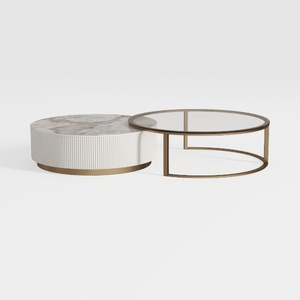
Modern Marble Gold Metal Glass Round Nesting Coffee Table 3D Model
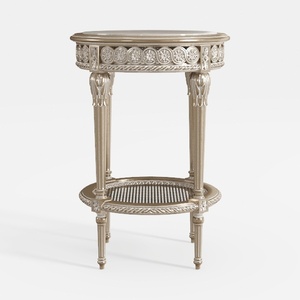
French Vintage Carved Metal Wooden End Table 3D Model
Looking to transform your space? Homestyler is your go-to online home design platform! With its user-friendly design tool, stunning 3D renderings, and a wealth of design projects and DIY video tutorials, you'll effortlessly create the home of your dreams—no experience needed!
Diseño ahora GRATIS






![[14]](https://hs-designs.homestyler.com/production/design/images/2026-09-12/aa817543-bb43-4f3a-9583-2b2473af620f/1789226165872/10757139.jpg?x-oss-process=image/resize,w_502,m_mfit/format,webp)