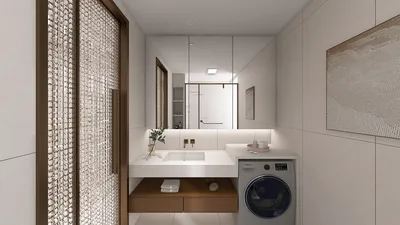


When selecting wallpaper for a pooja room, I handle it with the same meticulousness I apply to sound design, illumination, and ergonomic considerations in meditative environments. The primary aim is to foster tranquility, reverence, and durability, all while avoiding visual chaos. Ongoing studies highlight the importance of our surroundings on mental health, with WELL v2 guidelines suggesting that background noise levels should remain between 35–40 dBA in serene spaces to enhance cognitive and restorative functions. Additionally, soft finishes, such as textured wallpapers through a platform like Homestyler, play a crucial role in achieving this acoustic comfort. The choice of color is equally significant; as noted by Verywell Mind, warm neutrals and subtle gold shades evoke feelings of warmth and security, while muted greens are linked to a sense of balance and rejuvenation.
The type of lighting utilized profoundly impacts the perception of color in your pooja room. The Illuminating Engineering Society (IES) suggests that typical residential ambient lighting should be around 150–300 lux. However, ritual activities are best served with directed lighting using warm correlated color temperatures (2700–3000K), ensuring a serene atmosphere while minimizing glare. When choosing wallpaper, I prefer to test samples under the exact lighting conditions used during aarti ceremonies, as what may seem calm during the day can appear overly vibrant under warm LED lights.
Guiding Principles for Pooja Room Wallpaper
- Choose designs that incorporate a gentle rhythm: subtle jaali patterns, lotus motifs, or temple-inspired geometries work beautifully when scaled appropriately; stay away from busy, high-contrast designs that may detract from the idols.
- Utilize a soft color palette: shades like ivory, ecru, sand, sage, and muted gold accents encourage a peaceful vibe. Typically, a single accent wall behind the altar is enough to make a statement.
- Opt for matte or eggshell finishes to limit glare. High-gloss textures can be distracting and reflect candle flames during rituals.
- Keep acoustics in mind: wallpaper with light textures or fabric backing or even grasscloth can help to absorb sound in smaller, hard-surfaced spaces.
- Choose materials that promise endurance: opt for moisture-resistant coverings that withstand the heat of oil lamps and incense, as well as occasional spills from ritual vessels.
Color Psychology in Sacred Spaces
- Soft Gold: signifies affluence without being showy; use it sparingly as fine details or thin outlines rather than expansive metallic sheets.
- Sage and Olive: restorative green shades reduce eye strain while promoting equilibrium, especially useful if the room is also used for meditation.
- Off-White and Cream: provide a calm backdrop that highlights the sanctity of deities and floral offerings; using natural wood can prevent a sterile impression.
- Terracotta and Sand: earthy tones that ground the environment; keep color saturation at a medium-low to maintain a timeless feel.
- Deep Indigo Accents: selectively used around niches or transitions; in low light, these hues appear dignified rather than overwhelming.
Sacred Yet Subtle Motif Ideas
- Lotus Filigree: delicate and understated repeats in light shades; ideal for compact spaces to minimize visual clutter.
- Mandala Geometry: place a simple mandala behind the deity for a halo effect, using fine linework to maintain delicacy.
- Temple Jaali: perforated designs in a matte finish create patterning without distraction.
- Kalash and Swastika Symbols: treat these auspicious emblems as minor, periodic accents rather than dominant features.
- Sanskrit Shloka Bands: horizontal friezes positioned at eye level; ensure they are discernible yet subtle.
Material Selections and Maintenance
- Vinyl-Coated Nonwoven: efficient for upkeep; choose low-luster options. Look for fabrics labeled as washable or scrubbable.
- Silk-Like Textiles: luxurious, but ensure they meet fire safety and stain resistance standards. Faux-silk options can provide lower maintenance needs.
- Grasscloth: gives a warm and tactile sensation; lightly seal near the altar to shield against oils and smoke while embracing the natural inconsistencies—appreciating the wabi-sabi aesthetic.
- Mineral-Based Prints: mica or understated metallic inks for a subtle shine; avoid reflective foils.
Lighting, Glare Control, and Wallpaper Finish
Utilizing warm 2700–3000K lighting helps to sustain the sanctity of rituals while ensuring that colors appear true to nature. Following IES recommendations, I aim for an ambient light level of 200–300 lux with layered task lighting above the altar that can be dimmed to maintain ambiance. Pairing matte wallpapers with diffused sconces or shaded fixtures can help eliminate harsh reflections on metallic details. If employing gold accents, it's best to control reflectance and direct shine away from direct light sources.
Balance and Hierarchy in Space
The focal point for visual emphasis should be the idol and offerings. I ensure that the spatial ratios are balanced so that the feature wall showcases 60–70% of the pattern energy, while adjacent walls remain simple or subtly textured. For planning altar wall placement, utilizing a room design visualization tool can help you simulate sight lines and circulation before determining the final wallpaper design:
room design visualization tool
Design Concepts: Ranging from Minimalist to Ornate
- Minimal Sanctum: off-white linen texture with a gentle sage alcove; reflections from brass diyas remain understated.
- Heritage Touch: pale sandstone backdrop complemented by a delicate jaali print; a teak ledge with terracotta accents unifies the design.
- Contemporary Calm: micro-mandala repeats in warm gray paired with concealed LED backlighting at 2700K; illuminates the deity without causing glare.
- Subtle Glow: ecru wallpaper with fine gold pinstripes; indirect lighting enhances the shimmer gently.
- Nature Inspired: outlines of lotus or peepal leaves in muted green; complement with a natural fabric mat and low seating arrangement.
Ergonomics and Ritual Workflow
A pooja room encapsulates a series of small, mindful actions—arranging flowers, lighting incense, ringing bells. I ensure that the area behind the altar maintains a clean pattern density to assist with clarity of focus. Wallpaper seams are strategically placed away from shelves to maintain visual continuity. At seated eye level, patterns should remain soft and seamless to minimize eye strain during meditation.
Sustainability and Indoor Air Quality
It's essential to choose wallpapers featuring low-VOC inks and adhesives. As ritual smoke tends to linger, combining low-emission wall coverings with adequate ventilation and porous textures can aid in preserving indoor air quality. For those who conduct daily aarti, opting for easy-to-clean, moisture-resistant surfaces surrounding the lamp zone is advisable.
Installation Suggestions and Upkeep
- Properly prime and smooth walls to ensure thin patterns do not reveal imperfections.
- Use moisture-resistant adhesives around the altar, and verify for potential staining from lamp oil.
- Maintain a distance of at least 150 mm between incense holders and the wall; adding a small brass backplate can protect against soot.
- Schedule gentle dusting weekly; use a pH-neutral solution for spot cleaning as necessary.
References for Further Study
For benchmarks on acoustics and ambient lighting in restorative spaces, the WELL Building Standard (WELL v2) serves as an excellent resource, alongside guidelines from the Illuminating Engineering Society (IES) that are pertinent to residential lighting requirements. These references are valuable in fine-tuning wallpaper finishes and lighting solutions to create a space that feels both sacred and inviting.
Frequently Asked Questions
Choose matte or eggshell finishes. These reduce reflections caused by diyas or warm LEDs, ensuring the focus remains on the altar without distracting glare.
Select shades of ivory, cream, sage, and soft gold accents. Warm neutrals provide a sense of safety, while greens are associated with balance and recovery, corroborated by color psychology studies.
Absolutely, but it's important to select options that are washable or vinyl-coated near the altar. Light textures support good acoustics; safeguard high-exposure areas with a small metal or stone backplate.
Aim for an ambient light level of approximately 200–300 lux with warm lighting between 2700–3000K, complemented by gentle task lighting for the altar. Ensure glare control with diffusers and matte surfaces.
Incorporate subtle metallic inks or micro-foils; avoid finishes that are overly reflective. Position shimmer away from direct lighting to prevent bright spots.
Consider motifs like lotus designs, mandala patterns, temple jaali, and slender shloka bands. Maintain a modest scale with fine linework so the idol remains center stage visually.
Designate the feature wall behind the idol while keeping adjacent walls simple or lightly textured. Strive for a serene dynamic where the feature wall carries most of the pattern presence.
These materials add warmth and assist with acoustics, but lightly sealing them near the altar is wise, and natural variations should be embraced. For enhanced durability, textured nonwoven alternatives are a great option.
Select low-VOC, moisture-resistant adhesives; regular dusting and use of neutral cleaning solutions can maintain the overall aesthetic. Test for potential lamp oil or incense stains before full installation.
To visualize proportions and circulation effectively, consider utilizing a layout simulation tool. This aids in confirming focal hierarchy and pattern scaling prior to final wallpaper selection.
Lightly textured or fabric-backed wallpapers can help in softening reflections, contributing to an ambiance suitable for chants and other ritual sounds.
Warm lighting in the range of 2700–3000K preserves the sanctity of rituals, making colors appear warm and preventing the sterile look often associated with cool white LED lights.


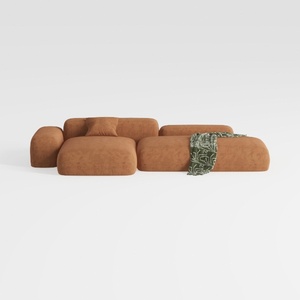
Minimalist Brown Fabric Modular Sectional Sofa 3D Model
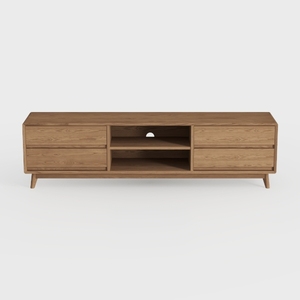
OKD TV Stand for 75+ Inch TV, Mid Century Modern
If you're looking to transform your home effortlessly, Homestyler is the tool for you! With its user-friendly online design platform, stunning 3D renderings, diverse design projects, and helpful video tutorials, you can easily unleash your creativity and make your dream space a reality.
立即免费设计
































