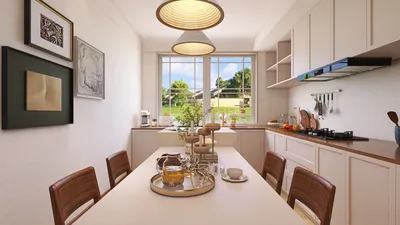


For over ten years, I have been designing and documenting banquet halls, and having a well-organized CAD block library is crucial for creating quick and dependable layouts. The aim is straightforward: to provide precise blocks that illustrate seating, circulation, staging, and service activities, ensuring that your schematics evolve seamlessly into functional, operational spaces. Using resources like Homestyler can further streamline this design process.
Data-Driven Standards for Banquet Hall CAD Blocks
Capacity, comfort, and circulation begin with measurable standards. According to recommendations by the Illuminating Engineering Society, ideal lighting levels for dining settings should be approximately 200–300 lux, with the capability to adjust brightness for different events. This serves as the foundation for your lighting fixture blocks and control zoning (source: IES standards). Ergonomic studies by Herman Miller stress the importance of ensuring that there is a minimum of 24 inches of elbow room when seated, alongside a necessary clearance of 12–18 inches between table edges and chair backs for ease of movement. This data is vital when planning the spacing of table and chair blocks. Findings from Steelcase regarding workplace events highlight flexible configurations as key drivers of productivity, reinforcing the need for modular staging and AV block sets inclusive of proper cable routing zones.
The influence of color on behavior is significant. An overview by Verywell Mind discusses how warm colors are linked to sociability while cooler tones promote a sense of calm focus; this knowledge can guide your block style selections for various zones—using warmer colors for reception areas and cooler tones for conference segments. Incorporating tools like Homestyler can help visualize these concepts effectively.
Essential CAD Block Set: Dimensions, Ratios, and Clearances
Establish a foundational library that encompasses crucial banquet components, corresponding to accurate measurements.
Utilizing a room layout tool can enhance both the speed and clarity of layout iterations: room layout tool.
Spatial Ratios and Zoning Considerations
Banquet halls cater to various activities, such as arrivals, receptions, dining, entertainment, and service. My goal is to achieve a spatial flow where primary aisles encircle the seating area, complemented by secondary aisles spaced 48–60 inches apart. Service paths should be kept perpendicular to entrance and kitchen doors to minimize disruption to guest traffic. In CAD, define zones using distinct hatch styles for Reception, Dining, Stage/AV, Dance Floor, and Service Spine, ensuring your block set aligns with desired functions.
When planning seating arrangements, utilize density tiers: Comfortable (8 guests for a 60" round table with 60" aisles), Standard (10 guests for a 60" round table with 48–54" aisles), and High-density (12 guests for a 72" round table with 48" aisles, conditional upon service staff and fire egress requirements). Connect block variants to each density tier with preset clearance indicators.
Lighting Blocks: Layers, Color Temperature, and Control Mechanisms
Develop lighting blocks that represent various layers: ambient (general downlights or chandeliers), task (buffet, bar, podium highlights), and dramatic lighting (gobos, uplights, wall washes). For dining areas, maintain general lighting within the range of 2700–3000K to enhance skin tones and food appearance; reserve 3500–4000K for task areas like carving stations or registration. Per IES dining guidelines, a typical ambient light level of 200–300 lux should be applied, with additional accent layers providing 50–100% more light on focal areas. Design dimming groups within your blocks: Pre-function, Dining, Stage, Dance Floor. Be sure to include glare-control specifications such as shielding angles and fixture aiming to preserve sightlines.
Acoustic Comfort: Components and Materials
Banquet venues with hard floors and lofty ceilings can enhance sound reflections, making speech and noise more pronounced. Include acoustic panel blocks (for walls or ceiling clouds) with NRC ratings, aiming for coverage that targets 20–30% of ceiling space in reverberant environments, as advised by acoustic consultants. Utilize carpet tiles in seating areas and drapes behind stages to mitigate echo, designing these as material-layer blocks to assist in specification guidance. Also, ensure loudspeakers are directed toward audience zones for reliable sound distribution; you should consider adding audio array blocks with dispersion cones to prevent concentrated sound zones near bars and buffets.
Ergonomics and Service Paths
For optimal efficiency, event staff must have clear, repeatable access routes. Create service cart blocks sized at 30" x 48" and designate tray-passing points at table corners. Maintain 60" main aisles to facilitate two-way cart traffic without congestion. Referencing Herman Miller's ergonomic guidelines is essential for establishing reach zones, especially for bar equipment positioned within 20–25 inches for primary reach and 25–50 inches for secondary reach, reducing fatigue during extended events.
Stage Design, AV Considerations, and Sightlines
To ensure clear sightlines, properly coordinating the height of the stage with table spacing is vital. For audiences sitting at a 30" table height, a 24–36" raised stage with a minimum setback of 12–15 feet is recommended to maintain visibility. Integrate projector blocks with reference distances, include cable troughs and floor boxes within your CAD layers, and account for camera tripod spaces and clearance arcs. Avoid using tall centerpieces that reach over 12–14 inches or are transparent, as these can obstruct sightlines across tables.
Fire Safety, Egress, and Accessibility Guidelines
Label all exits clearly with their width and swing arcs. Align aisles with exits and prevent dead-end corridors exceeding local codes. Incorporate 60inch turning circles near doorways to accommodate wheelchair movements. Distribute ADA-compliant seating throughout the venue to avoid clustering, and create straight-line paths to restrooms and buffet areas, steering clear of congested chair layouts.
Material Choices and Sustainability Considerations
Your material blocks should include performance specifications such as stain resistance for linens and carpets located in spill-prone areas, slip resistance for dance floors, and ease of cleaning for bar surfaces. When using reusable decor items, it’s important to track storage requirements within your CAD system. Take into account modular stage setups with replaceable surfaces and high-efficiency LED systems to minimize energy consumption. Additionally, outline waste management strategies for events (glass, compost, landfill) and integrate labeled collection station blocks near service areas.
CAD Layering and Naming Conventions for Efficiency
To prevent your files from becoming an operational bottleneck, I recommend a structured layer setup: A-ROOM-SEAT (tables/chairs), A-ROOM-AISL (aisles), A-SERV-BUFF (buffet areas), A-SERV-BAR (bar service), A-AV-STAG (stage/AV), A-LITE-GEN (general ambient lighting), A-LITE-ACC (accent lighting), A-ACOU-PNL (acoustic panels), A-ADA-ROUT (access pathways), and A-EGR-EXIT (emergency exits). Ensure blocks carry clear prefixes—like TB-60R, TB-72R, CH-STD, CH-ADA, STG-48x96, BAR-SVC, BF-SVC—to simplify scheduling.
Utilizing Color Psychology for Wayfinding and Mood
Implement color strategically to subconsciously guide guests. Employ warm accent bands around reception to foster engagement, while cooler colors in conference areas can create a calm atmosphere. Insights from Verywell Mind indicate that reds and oranges promote energy, whereas blues resonate with tranquility; use these principles in signage and lighting gels to subtly reinforce the event's ambience without overwhelming the visual scheme.
Iterative Testing for Layout Optimization
Prior to finalizing your drawings, simulate attendee flows for seating, service, and egress routes. Quickly explore various seating densities and aisle configurations using an interior layout planner, which can offer visualizations of different seating arrangements and buffer zones: interior layout planner. Validate audio-visual sightlines with camera-to-stage alignments and ensure that buffet lines do not obstruct exit routes.
Checklist: Ensuring Readiness of Your Banquet CAD Block Library
Credible References
For additional standards and foundational research, consult the IES guidelines and studies from Herman Miller.
FAQ
Typically, eight to ten guests are accommodated at each table. For longer events or when heavy service is involved, limiting to eight guests can enhance comfort and facilitate smoother staff movement.
A minimum of 48 inches is recommended for standard service areas, while 60 inches is preferable where carts or two-way traffic might occur. Increase space around buffets and bars to avoid overlapping queues.
Aim for an ambient light level of 200–300 lux for dining, ensuring dimming options are available. Incorporate accent lighting to enhance the visibility of stage, buffet, and bar areas.
For dining environments, a color temperature of 2700–3000K creates a warm, flattering atmosphere; 3500–4000K is ideal for task-oriented zones like registration or carving stations.
Consider the space required for dancers when planning; around 3–5 square feet per dancer. If expecting 40–60 guests to dance simultaneously, aim for a total area of 120–300 square feet.
Common riser sizes are 4' x 8'. Be sure to model any required stairs, guardrails, and backstage corridors that measure a minimum of 24–36 inches.
Provide accessible seating options in various locations, ensuring 36-inch clear routes and 60-inch turning circles near entrances to facilitate movement. Avoid grouping all accessible seats together in one area.
Incorporate models for acoustic panels, whether wall or ceiling types, aiming for significant coverage. Include carpet tiles around seating areas and ensure loudspeaker directions are aimed at audience sections.
Absolutely. Integrate blocks for projectors, including throw-distance details, as well as cable troughs, floor boxes, and designs for camera tripods to avert last-minute audio-visual conflicts.
Allow for 48–60 inches in front of buffet counters to facilitate queuing, and ensure a 36-inch space behind serving stations for staff movement. Keep food queues clear of exit routes.
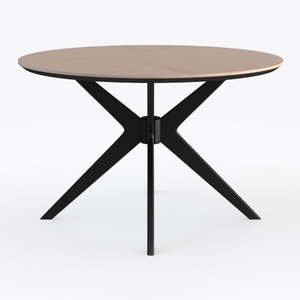
Modern Minimalist Solid Wood Top Metal Frame Round Dining Table 3D Model

Minimalist Linen Fabric Slipcover Three Seater Sofa 3D Model
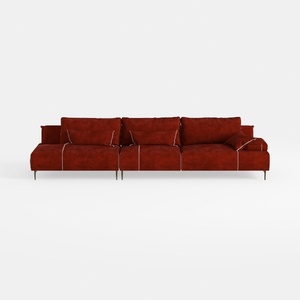

Modern Burgundy Velvet L Shaped Sectional Sofa 3D Model
Homestyler is your go-to online home design platform! With its easy-to-use design tool, stunning 3D renderings, and a wealth of DIY video tutorials, you can unleash your creativity and transform any space effortlessly. Start designing your dream home today!
Design jetzt kostenlos
































