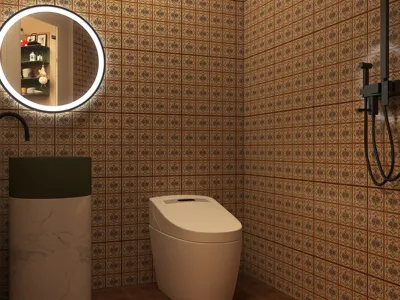


When selecting tile colors to anchor the ambiance of a living room, I prioritize hues that harmonize with natural light, complement furnishings, and minimize visual clutter. The right tile color can significantly enhance the perceived brightness of the space. In a workplace setting, Gensler's findings indicate that daylight access significantly enhances work satisfaction; at home, we apply this principle by choosing tile shades that reflect light, creating an environment that feels spacious, serene, and inviting. Ever so importantly, WELL v2 emphasizes glare control and balanced brightness, with the flooring's finish playing a crucial role in maintaining this equilibrium by moderating reflectance and avoiding harsh glare.
The reflectance level of tiles is critical. My go-to guideline is that tiles with a light reflectance percentage between 40% and 60% effectively increase ambient brightness without causing glare. The Illuminating Engineering Society suggests ideal lighting in living spaces range from 100 to 300 lux for daily functions; mid-tone tile colors facilitate achieving this brightness threshold with fewer light fixtures, as they bounce back more light into the room while ensuring comfortable contrast. In north-facing or shadowed areas, warmer, lighter tiles can offer some compensation, while in sunlit rooms, a gentle mid-tone can prevent glare under expansive windows.
Understanding Room Dynamics: Orientation, Daylight, and Color Temperature
The orientation of a room profoundly influences tile color selection. Rooms facing north typically require warmer tones such as creamy beige, honey-sand, or light taupe to counteract the cooler daylight prevalent in that light spectrum (approximately 5000–6500K). In contrast, south-facing rooms, exposed to brighter sunlight, benefit from soft mid-greys, mushroom shades, or greige colors that soften the brightness and minimize visual fatigue. In evening settings with warm LED lighting (2700–3000K), warmer-toned tiles like beige or almond maintain a harmonious glow, while cooler colors can appear lackluster under dim light.
Warm Neutrals: Flexible, Inviting, and Tolerant
Warm neutral tiles—like beige, light caramel, oat, and gentle travertine tones—establish a welcoming foundation. According to research by Verywell Mind, warm shades elevate feelings of comfort and friendliness; when applied to flooring, these neutrals foster social interactions and diminish any sense of formality. They also cleverly mask dust and everyday wear: a subtly varied stone pattern conceals minor scratches better than uniform cool shades. I often pair warm neutral floors with ivory walls and layered textiles to maintain a coherent yet dynamic color palette.
Greige and Soft Gray: Modern Yet Warm
Greige—a blend of gray and beige—offers the sleekness of gray while infusing warmth. It complements modern designs effectively, particularly in spaces where sofas and elements predominantly lean cool-toned. Soft gray tiles achieve the best effect when combined with warm lighting and wooden accents, averting clinical visual impressions. I steer clear of flat, blue-tinted grays in already cool areas; a hint of brown undertone enhances temperature stability and enriches skin tones within the room.
Ivory and Off-White: Brightness Requires Caution
Utilizing ivory tile can create an illusion of a larger space by reflecting more illumination, which enhances ceiling height perception. Nonetheless, this comes with the potential for glare and maintenance challenges. In sunlit areas, a matte finish with softer sheen ensures comfortable light ratios, while in high-traffic environments, textures or subtle patterns can effectively camouflage footprints. To ensure coherence, I select grout lines that closely match the tile's shade to avoid a disruptive visual grid that detracts from furniture and artwork.
Earthy Tones: Adding Depth with Olive, Clay, and Terracotta
Muted shades of olive, clay, and terracotta introduce warmth and a sense of historical richness. These colors blend beautifully with natural wood elements, woven textiles, and greenery, aligning with the biophilic aesthetic sought in many modern homes. It's essential to manage saturation; dusty, muted versions of these tones avoid overwhelming the space. When paired with crisp white walls, these earthy shades provide a grounded touch that feels inviting rather than overly rustic.
Dark Tiles: Elegance with Caution
Tiles in shades like charcoal, espresso, and deep slate convey elegance and create contrast, but they can visually compact a room. I recommend using them in spacious, well-illuminated environments or against lighter perimeter walls. Managing sheen is crucial; semi-matte or honed finishes prevent overly harsh reflections. Dark tiles are prone to showing lint, so I suggest considering tiles with slight variations or stone-like movement to disguise minor dirt, while also using an appropriately sized area rug to add texture and balance the darkness.
Finishes and Sheen: Managing Glare Effectively
The finish of tiles is as critical as their hue. High-gloss tiles can create intense reflections that lead to visual fatigue in bright conditions. Opting for a satin or matte finish ensures smoother luminance transitions. If polished stone aesthetics are desired, limitation to less direct light areas can minimize glare; indirect lighting can further soften any stark highlights.
Design Considerations: Pattern, Scale, and Grout Tactics
The pattern of tiles significantly affects color perception. Subtle stone veining or terrazzo flecking expands the palette's possibilities, introducing visual variety that conceals wear. The size of the tile also impacts rhythm within a space: larger tiles tend to reduce grout lines and create a sense of calm, while smaller tiles add texture and can accommodate darker colors without feeling overpowering. For lighter tiles in sunny rooms, minimal contrast with grout yields a serene effect; however, for mid to dark tones, closely matched grout creates a seamless, sophisticated look.
Furniture, Textiles, and the 60-30-10 Approach
I utilize a 60-30-10 color distribution when designing a living room: 60% base (tiles plus walls), 30% secondary (sofa, curtains), and 10% accents (artwork, cushions). If tiles are the foundational element, I maintain neutrality and introduce warmth through textiles. With cooler tiles, I incorporate warm wooden pieces and fabrics, while for warm tiles, I add linen, metals, or soft blue accents for balance. This method simplifies color decisions and mitigates the risk of mismatched tones disrupting the overall scheme.
Acoustic and Tactile Considerations
Given that hard tiles reflect sound, it’s essential to ensure acoustic comfort in living rooms. I integrate area rugs, upholstered furniture, and drapes to absorb higher frequency sounds, creating a more comfortable conversation area. The tactile aspect is also important; layering rugs over cool tiles, along with soft throws, contributes to a cozy atmosphere while retaining the practicality of tile flooring.
Visual Flow and Layout
The layout of a space significantly affects how tile colors are perceived from various angles. In open-concept living areas, I ensure tile consistency throughout to promote visual coherence. When exploring different patterns or designated tile zones, utilizing a room layout tool can be invaluable for testing potential transitions and sightlines prior to finalizing decisions.
A Room Layout Tool for Effective Design
My Recommendations: Optimal Tile Colors by Environment
- For north-facing, lower-light areas: light taupe, biscuit, warm beige, or oat travertine-inspired tiles.
- For south-facing spaces drenched in sun: greige, mushroom tones, or gentle gray with warm undertones.
- In compact areas that require brightness: ivory or off-white tiles with a matte finish and low-contrast grout.
- In expansive, lofty rooms: charcoal or deep slate tiles with a semi-matte finish, effectively balanced with lighter walls.
- For natural, biophilic aesthetics: choose dusty terracotta, muted olive, or clay shades with a mineral finish.
Maintenance, Sustainability, and Durability
Select tiles that hold up well in everyday scenarios. Mid-tone shades are excellent for masking dust, while lighter tiles necessitate more frequent cleaning, and very dark options may show lint. For eco-friendly choices, hunt for tiles with recycled materials when available and prioritize low-VOC installation products; tiles that are built to last decrease visible wear over time. Keeping spare boxes for future repairs is also wise due to potential batch variations.
Credible References
I base my tile color recommendations on robust workplace and wellness research, drawing from Gensler's insights on daylight relevance, WELL v2 guidelines for glare and balance, and IES's recommended lux levels for living spaces. These references inform my tile color recommendations, prioritizing human comfort over fleeting trends, while also integrating tools like Homestyler for visualization.
Frequently Asked Questions
Q1: What tile color can make a small living area feel more spacious?
A: Soft beige or ivory tiles in a matte finish can enhance the perception of space by reflecting light while minimizing glare. Opt for grout that closely matches the tile color to keep visuals smooth.
Q2: Are gray tiles too cold for a family-friendly living room?
A: Gray tiles can work seamlessly if you choose a warm-leaning greige and complement them with warm lighting (2700–3000K), wooden accents, and textured textiles for balance.
Q3: How should I select tile colors for a north-facing room?
A: For north-facing spaces, it's beneficial to opt for warm neutrals like light taupe, oat, or honey beige to counterbalance the cooler lights and maintain flattering skin tones.
Q4: Do dark tiles create a sense of constriction in a room?
A: While dark tiles impart a sense of drama and depth, they can visually compress a room. It's best to use them in larger, well-lit areas while maintaining semi-matte finishes and incorporating light walls and generous rugs for balance.
Q5: Which finishes help reduce glare from strong sunlight?
A: Satin or matte finishes retain comfortable luminance levels whereas high-gloss finishes can create glaring highlights and are best used in areas away from direct sunlight.
Q6: What tile colors are best at hiding dirt and footprints?
A: Mid-tone tiles possessing mild variations—like greige, soft mushroom colors, or beige with texture—are superior at concealing dust compared to pure white or solid dark flooring.
Q7: How do I ensure tile color matches my sofa and rug?
A: Utilize the 60-30-10 rule: let tiles and walls represent the 60% base, adjusting tones so that warmer tiles enhance cooler sofas, or vice versa with rugs.
Q8: Can terracotta tiles fit within a modern aesthetic?
A: Absolutely—when choosing muted, mineral-rich terracotta, pair it with streamlined furniture, light walls, and metal accents for a modern yet grounded feel.
Q9: What lighting levels are appropriate for spaces with light tiles?
A: Aim for about 100–300 lux of ambient lighting, as suggested by the IES. Light-colored tiles will help you reach the upper range but keep finishes matte to mitigate glare.
Q10: Are there universally safe tile colors for open-plan areas?
A: Greige tiles are an excellent unifying choice, compatible with warm woods and cool metals, thus reducing the risk of visual fragmentation in larger spaces.
Q11: Do cool white tiles appear blue during nighttime?
A: Under warm LED lighting (2700–3000K), cool whites may take on a gray-blue tone. Using ivory or warm off-white tiles ensures consistency in evening lighting.
Q12: What’s the ideal grout contrast for tiles?
A: For light tiles, minimal grout contrast is preferred to maintain calmness; for mid or dark tiles, using closely matched grout achieves elegance while avoiding a checkerboard appearance.
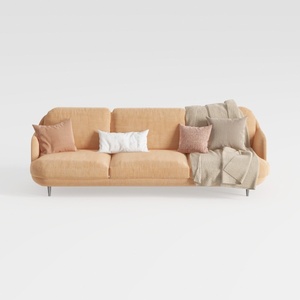

Modern Minimalist Peach Fabric Sofa with Throw Pillows and Blanket 3D Model

Minimalist Solid Wood Round Stool Set 3D Model

Rustic Solid Wood Round Coffee Table With Black Metal Legs 3D Model
Homestyler is your go-to online home design platform, perfect for anyone looking to create stunning interiors. With its user-friendly design tool, impressive 3D renderings, and a wealth of DIY video tutorials, you can effortlessly transform your home and explore endless design possibilities!
Desain sekarang Gratis
































