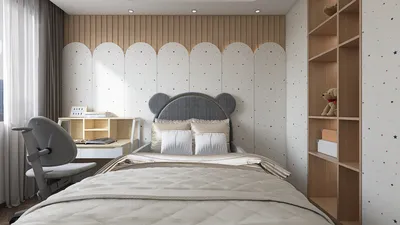


I perceive study areas as essential performance environments that require elements such as concentration, storage solutions, and a serene aesthetic. A thoughtfully designed wardrobe can effectively provide all three of these key components. Contemporary research into workplace and home-office design reveals that maintaining a disciplined approach to space management is closely linked to enhanced cognitive functionality. According to Gensler's findings, top achievers frequently highlight the importance of accessible storage and the ability to minimize distractions as crucial factors in their productivity (Gensler workplace research). On a wellness level, the WELL v2 framework underscores that visual comfort and reducing glare are imperative for cognitive performance and overall mental health (WELL v2 Light); hence, every decision concerning storage also involves consideration of lighting.
Ergonomics play a significant role, just like the actual square footage of a room. Research compiled by Herman Miller indicates that minimizing reach distances and visual disorder can greatly enhance task transitions and focus (Herman Miller research). Additionally, I incorporate illumination standards based on IES recommendations for work and reading zones, typically requiring 300 to 500 lux on work surfaces to prevent wardrobes from casting shadows on desks (IES standards). With this background, I’ll explain how I weave wardrobes into study spaces seamlessly without cluttering the area.
Establish the Storage Strategy First
My initial step involves cataloging the specific items that require storage: books based on height and depth, important documents, tech gadgets, seasonal clothes, and other occasional items. I analyze the volume and frequency of use alongside the most suitable zones for storage (within seated reach, standing distance, or using a step stool). Generally, I aim to position frequently used items within 500 to 700 millimeters above the desktop while allocating rarely accessed items at heights above 1800 millimeters. This organization establishes a flow that minimizes friction during daily tasks.
Create an Abundant Wall: Floor-to-Ceiling Wardrobes With Integrated Task Areas
Installing a full-height wardrobe along one wall can optimize vertical space. I often create a recessed area in the center for a desk or printer, flanked by tall storage units on each side. This configuration balances the visual weight and prevents the wall from appearing overly cumbersome. If you’re considering the layout, utilizing a quick room design tool can help assess necessary clearances for chair movements (usually requiring 900 to 1100 millimeters of space behind the desk) and door swings.
Efficient Door Solutions: Sliding, Pocket, or Bifold Strategies That Save Space
In smaller rooms, traditional swing doors can take up valuable space. I prefer using top-hung sliding doors that operate quietly and minimize vibrations for better acoustics. Pocket doors work well when the wall can be modified, while bifold doors provide a practical solution where wider access is necessary but with minimal protrusion. When possible, I like to include perforated metal or slatted panels to facilitate passive cooling if clothing or electronics are stored within.
Combine Desk and Wardrobe Into a Cohesive Design
Linking a desk between two wardrobe units results in a unified appearance, conceals wiring in vertical spaces, and fosters a neater visual environment. Incorporating cable management rails behind modesty panels keeps the desktop organized, which is vital for visual psychology since reducing visual clutter can lower perceived stress levels. I maintain a minimum desk width of 1200 millimeters and a depth of 600 to 700 millimeters to ensure monitor viewing distances of 500 to 700 millimeters are met.
Careful Use of Overhead Storage
Overhead cabinets positioned above the desk are excellent for storing light items and reference materials; however, they should not pose risks of bumping heads or cause glare shadows. I position the underside of these cabinets at a height of 1350 to 1400 millimeters above the finished floor for seated users, fitting them with continuous LED task strips (3000–4000K, CRI ≥90) equipped with a diffuser and glare shield to meet IES-recommended lighting levels without hotspotting.
Space Management: Depth Considerations of 350 to 600 mm
The depth of the wardrobe significantly affects room comfort. For clothing, a depth of 550 to 600 millimeters is standard, while 300 to 350 millimeters is adequate for books and files. I frequently stagger depths: deploy shallow upper units (300 mm) above a desk, medium-depth utility cabinets (400 to 450 mm) for tech peripherals, and full-depth wardrobes strategically for bulkier items or clothing needs. This tiered arrangement ensures the room feels spacious and maintains good airflow.
Mindful of Acoustics in Functional Storage
Wardrobes can serve as effective sound barriers, particularly along walls that transmit noise. I enhance the back panels with acoustic felt or specify soft-close hardware with rubber bumpers to dampen sound impacts. If the study area shares a wall with high-traffic areas, placing a wardrobe on that wall along with a layer of mineral wool can enhance sound attenuation without altering the room’s layout.
Exploring Color, Light, and Emotional Impact
Color psychology plays a role in influencing behavior. Subdued greens and muted blues can foster a sense of calm focus, whereas warm neutral tones contribute comfort. I combine matte or eggshell finishes to reduce glare. Inside the wardrobe, I favor 3500 to 4000K LED strips that accurately illuminate fabrics and papers while avoiding color distortion during item retrieval. It’s advisable to avoid cool 5000K+ bulbs in smaller study areas as they can create a clinical atmosphere and heighten contrast.
Striking Visual Balance: Open vs. Closed Storage
Open shelving speeds up item retrieval but can add to visual clutter. I prefer a blend: using closed doors for bulk storage while maintaining an open space for frequently accessed items and a display area to add a personal touch. My preferred ratio is about 70% closed and 30% open. This approach promotes tranquility while allowing for personal expression and swift access. If the design is still evolving, examining the room's layout with an interior planner, such as Homestyler, can assist in visualizing the balance of openness and mass.
Flexible Hardware Choices and Considerations
Long vertical pulls measuring 300 to 600 millimeters are easy to grasp and visually elongate the wardrobe’s exterior. For tighter spaces, edge pulls or push-latch solutions help minimize protrusions. Choosing quality hinges is crucial; concealed hinges with built-in adjustments help maintain alignment and aesthetics over time. I recommend full-extension runners for drawers to ensure accessibility at the back, allowing you to have fewer, deeper drawers without sacrificing usability.
Lightweight Material Choices
I advocate for a blended material selection: sturdy laminates or melamine for interiors, wood veneers or lacquered MDF for surfaces, and heavy-duty countertops for integrated desks. For environmental considerations, opt for low-VOC finishes and FSC-certified materials. A satin finish can help diffuse light, while glass inserts or ribbed glass can break up bulkiness while easing maintenance. If electronics are housed, ensure to incorporate ventilation grilles or a shadow gap for airflow.
Smart Use of Corner Spaces: L- and U-Shaped Designs
L-shaped wardrobes can open up awkward corners when a desk is placed within the shorter leg. Using diagonal or bi-fold corner access can help eliminate dead zones. In U-shaped compact studies, it’s essential to maintain a clearance of at least 900 millimeters between opposing units to provide adequate space for chair movement. Corners can be ideal for tall broom or board storage or vertical files that don’t require daily attention.
Layered Lighting Strategies Around Storage Areas
Ambient lighting from ceiling fixtures or cove lights should provide 100 to 200 lux; task lighting for desks should range from 300 to 500 lux; and accent lighting, such as wardrobe strip lights that activate via door sensors, should deliver 50 to 150 lux. I prefer to maintain consistent color temperatures across all lighting (a maximum difference of ±300K) to avoid visual fatigue. In instances where doors are glossy, minimizing luminance contrast by diffusing light can help reduce bothersome reflections.
Plan for Safety, Power Supply, and Tech Integrations
Designing an outlet system within wardrobes for items such as printers, routers, or charging drawers is essential, alongside organizing cable routes via brush grommets to desk areas. I embed motion sensors in wardrobes to manage internal lighting, preventing overheating from constant illumination. When accommodating lithium batteries, I prioritize non-combustible linings and proper ventilation. Installing soft-close mechanisms on all panels is advantageous in shared family study environments to safeguard against accidents.
Strategies for Compact Spaces
- Opt for sliding or pocket doors instead of traditional swing doors.
- Use mirrored wardrobe doors to reflect light and give an illusion of more space, ensuring they are positioned perpendicularly to primary windows to avoid desk glare.
- Choosing vertical grain or ribbed patterns can enhance the perception of height.
- Maintain tight plinth dimensions (60 to 80 millimeters) and incorporate shadow gaps to visually elevate the bulk of the furniture.
- Limit color schemes to two primary hues plus one accent to maintain cohesion.
Key Dimension Planning That I Utilize
- Desktop height should be between 720 and 750 millimeters, depending on chair specifications and user ergonomics.
- Allocate 900 to 1100 millimeters of chair roll-back space behind the desk for comfortable standing transitions.
- Wardrobe hanging rails should be set at 1600 to 1700 millimeters AFF; shelves spaced every 300 to 350 millimeters for book storage.
- The optimal handle centerlines range from 950 to 1100 millimeters, catering to comfortable accessibility whether seated or standing.
Client Process and Collaboration
We prototype the spatial layout, confirm necessary adjacencies (such as having the printer near the filing system and references close to the desk), assess lighting at night, and adjust finishes to complement natural light rather than compete. Final hardware selections are made after we simulate potential conflicts with chair and window placements—these small adjustments help prevent daily frustrations.
Frequently Asked Questions
For clothing, a depth of 550 to 600 millimeters is effective. In contrast, a depth of 300 to 350 millimeters is sufficient for books, documents, and supplies, optimizing floor area usage.
Top-hung sliding or pocket doors enhance circulation in smaller spaces. Bifold doors provide a balanced alternative when wider access is required with limited projection.
Incorporate under-cabinet task lighting (preferably 3000 to 4000K with CRI ≥90) equipped with diffusers, and position the desk alongside tall storage structures where possible. Target a lighting level of 300 to 500 lux on the work surface in accordance with IES guidelines.
Adopting a 70/30 storage ratio—predominantly closed with a fractional amount of open space—can minimize visual distractions while ensuring quick accessibility to commonly used items.
Opt for muted greens, blues, and warm neutrals for color selection. Ensure finishes remain matte or eggshell to limit glare effects. Aim for a consistent color temperature throughout lighting setups to mitigate eye strain.
Position wardrobes strategically against noise-transmitting walls to act as sound barriers. Utilize acoustic felt lining, soft-close mechanisms, and rubber bumpers to minimize noise and vibrations.
Design compartments with ventilation and include internal electrical outlets along with cable management solutions. Implement motion-activated lighting within wardrobes and use retractable drawers for chargers to streamline desktop appearance.
Plan for 900 to 1100 millimeters of chair movement space, ensuring smooth transitions without interference from wardrobe doors or panels.
Absolutely, mirrors can enhance visual space and optimize daylight reflection. Ensure mirrors are positioned away from glare at the workstation by being perpendicular to windows.
Utilize durable laminates or melamine for interiors for resilience, and select veneered or lacquered surfaces for warmth. Consider reeded glass to break up bulk without increasing maintenance demands.
Utilize diagonal or bi-fold access solutions in corner spaces to eliminate dead zones and designate such areas for items accessed on a less frequent basis rather than everyday use.
Indeed. Connecting a desk between two wardrobe units can consolidate wiring for a streamlined appearance. Always verify chair movements and door clearance via layout simulations before finalizing the design.
Discover the ease of home design with Homestyler! This user-friendly platform offers a powerful online design tool, stunning 3D renderings, a wealth of design projects, and helpful video tutorials. Unleash your creativity and transform your space effortlessly!
Design jetzt kostenlos
































