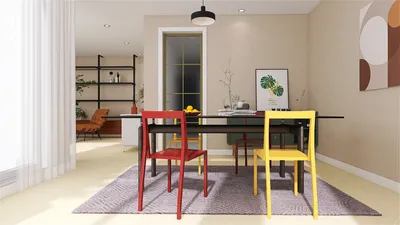


Student accommodations at PSG College excel through efficient spatial management, shared living habits, and environments conducive to studying, resting, and socializing. The most effective dorm rooms harmonize structured layouts with small comforts: sufficient lighting for nighttime reading, ergonomic desk arrangements, breathable materials, and mindful noise control among housemates. In higher education settings, the importance of lighting and ergonomics cannot be overstated—WELL v2 suggests achieving 300–500 lux of ambient task lighting in study areas, while the Illuminating Engineering Society (IES) recommends approximately 500 lux for desk work to alleviate eye strain and enhance visual clarity. Quality of sleep, equally crucial for academic success, greatly benefits from warm lighting in the evening, ideally between 2700–3000K, which aids in the transition to sleep.
The layout of a room is significant. Gensler’s research on workplace environments indicates that having control over one’s surroundings—like lighting, acoustics, and layout—positively impacts well-being and performance. Steelcase has shown that students prefer flexible furniture configurations that easily transform from individual study setups to small collaborative spaces, with acoustic comfort significantly affecting focus in shared environments. Incorporate these findings into hostel rooms by creating distinct zones, adjusting lamp heights, and selecting materials that absorb sound. For planning furniture arrangements or assessing roommate setups, utilizing a room layout design tool like Homestyler can provide visual clarity on options and traffic flow.
Functional Room Zoning
In a compact hostel room, I propose organizing the space into four distinct functional areas: entry/storage, study, sleep, and a small space for social interaction. A ground rule of 60% storage/sleep space, 25% study area, and 15% for social use maintains order and reduces chaos during busy times. Position the study desk close to natural light (left or right of the window to avoid glare) with the bed’s headboard against a solid wall for better acoustics. The social area can include a slim bench or stackable stools that easily slide under the bed frame when necessary. Ensure a circulation width of around 800–900 mm so that two people can pass effortlessly without cramping together.
Illumination for Study Focus and Sleep Quality
Implementing layered lighting is essential in preventing fatigue. Ambient lighting should be provided through ceiling or wall fixtures at 300–400 lux. Task lighting, such as desk lamps positioned at an angle of 30–45° towards the workspace, should provide 400–600 lux for reading materials, ideally flicker-free and with a high Color Rendering Index (CRI) for accurate color representation. For evening use, warm lighting at 2700–3000K encourages melatonin production, while morning lighting should be cooler, around 4000–5000K, to enhance alertness. Glare management is also crucial—ensure that bulbs are shielded from direct sight lines and utilize matte finishes where necessary. These recommendations align with both WELL v2 Light standards and IES guidelines for task lighting.
Optimal Desks, Chairs, and Ergonomics
The ergonomics of student seating play a vital role in maintaining proper posture. Chairs should be adjusted so that knees create approximately a 90-degree angle, with feet flat on the ground. Typical desk heights range from 720–740 mm. The monitor should be positioned at eye level or slightly below, and forearms should remain parallel to the desk while typing. If chairs are immovable, consider adding a footrest and a small lumbar cushion. I recommend a desk depth of approximately 600 mm to allow a visual distance of 450 mm from laptops and textbooks, with a clamp light positioned on the non-dominant side to minimize shadows during use.
Visual Clutter Reduction Through Smart Storage
Clutter can heighten anxiety and diminish usable space. Vertical storage solutions are an effective remedy—over-desk shelves, pegboards, and under-bed bins can solve many of these issues. Maintain a visible "active shelf" for items needed weekly and utilize a concealed bin system for longer-term storage. Clearly label bins to streamline retrieval. For shared accommodations, separate shelves into distinct zones and implement a one-in-one-out rule to manage overflow. Store luggage vertically along the least utilized wall to maintain clear pathways.
Understanding Color Psychology and Material Use
Colors influence behavior. Soft, muted blues and greens promote calmness and enhance focus, while small highlights of warm tones (like terracotta or mustard) energize social spaces. Resources on color psychology, like those from Verywell Mind, emphasize that blues convey stability and concentration; thus, it’s beneficial to keep saturation levels low to avoid overstimulation. Choose materials that effectively manage sound and provide ventilation—consider cotton or linen bedding, loop-pile rugs for sound absorption, and cork pinboards for quiet organization. Avoid glossy finishes in work areas to diminish glare.
Enhancing Acoustic Comfort in Shared Spaces
Two strategies can significantly enhance noise management: absorption and scheduling. Use soft fabrics—such as curtains, rugs, and upholstered furniture—to absorb sound, alongside door seals to minimize noise from corridors. Establish quiet periods that align with class schedules. For conversations and phone calls, move to common areas outside of study hours. Consider utilizing small white-noise machines or fans to provide calming acoustic backdrop during sleep if background noise levels are high.
Optimizing Sleep Environments and Circadian Rhythm
Achieve reliable sleep by adhering to consistent bedtime routines, utilizing blackout curtains or sleep masks, employing warm lighting an hour before bedtime, and ensuring screens are dimmed. Bed placement should be strategic, away from direct drafts. If utilizing bunk beds, allocate the upper bunk to lighter sleepers to minimize noise disturbance from the structure, and use felt pads under frames to lessen vibrations.
Establishing Roommate Agreements and Healthy Habits
Effective living arrangements thrive on shared principles. Create an uncomplicated weekly schedule outlining quiet hours, cleaning duties, guest policies, desk-sharing guidelines, and rules for overnight study sessions. Ensure a compact cleaning caddy is accessible, stocked with essentials like wipes and laundry bags, and initiate short five-minute clean-ups after meals and before bedtime. Clearly label shared chargers and power strips to prevent conflicts. These simple, low-effort habits help maintain both space organization and harmonious relationships.
Facilitating Study Workflow and Focus Methods
Establish a clear focus through well-defined task lists, Pomodoro techniques, and organized desk zones—left for references, center for the laptop, and right for notes. Utilize folding screens or curtains to create a partitioned study area during intense exam preparations. If you plan to rearrange furniture in advance of finals, consider using an interior layout planner like Homestyler to test various arrangements for sightlines and natural light balance.
Ensuring Safety, Ventilation, and Maintenance
Maintain clear pathways, avoid connecting multiple power strips, and confirm that extension cords meet safety standards. Daily ventilation is crucial; cross-ventilating for 10–15 minutes enhances air quality and reduces humidity accumulation. To mitigate humidity, a small desiccant canister in wardrobes can safeguard books and textiles. Regularly clean high-touch surfaces and wash bedding to manage allergens effectively.
Essential Checklist for Moving In
• Adjustable clip-on task lamp (with dimming capability)
• Surge-protected power strip, clearly labeled
• Under-bed storage containers and soft dividers
• Acoustic softening rug or runner
• Pinboard or wall rail for organizing schedules
• Laundry bags and a fold-flat drying rack
• Blackout curtains or a sleep mask
• Cleaning caddy stocked with essentials
Additional References
The ambient and task lighting recommendations align with WELL v2 Light and IES guidelines for study lighting. Insights drawn from studies on environmental control and student comfort are adapted from findings by Gensler and Steelcase, tailored specifically for the context of student housing.
Frequently Asked Questions
Aim for a desk surface illumination of about 400–600 lux, with ambient lighting maintained around 300–400 lux. These levels adhere to the WELL v2 and IES standards to facilitate clear reading and minimize eye fatigue.
Soothing blues and greens promote calm and concentration. Maintain lower saturation levels and incorporate small warm accents to energize the environment without overwhelming it.
Arrange beds along opposite or adjacent walls, stack storage vertically, and place desks near windows. Ensure circulation pathways remain 800–900 mm wide, and create a small social area with stackable seating options.
Utilize soft materials such as rugs and curtains, employ door draft seals, establish quiet hours, and consider white noise solutions for restful sleep. Move calls to common areas to maintain focus.
Absolutely—incorporating a footrest, lumbar cushion, adjusting lamp positions, and elevating laptops with books are effective strategies to keep monitors at eye level. Target a desk height of approximately 720–740 mm for optimal ergonomic setup.
Use warmer lighting (2700–3000K) in the evening to foster readiness for sleep. For morning motivation, transition to cooler tones in the range of 4000–5000K.
Employ vertical shelving, under-bed storage, maintain a visible weekly "active" shelf, and implement a one-in-one-out storage rule. Label shared bins and distinctly divide areas for organized shared space.
Definitely. Using a room design visualization tool such as Homestyler assists in experimenting with furniture placement, allowing for effective assessment of daylight and circulation before rearranging any physical items.
Establish quiet hours, a schedule for cleaning, guidelines for guests, shared desk usage rules, and etiquette for device charging. Review these collectively on a weekly basis, especially during exam periods.
Open windows daily; spending 10–15 minutes ventilating air not only refreshes it but also reduces humidity buildup, enhancing sleep quality and overall comfort.
FRITHJILL Modern Desk with Tempered Glass Legs, Fa

Minimalist Solid Wood Linen Upholstered Dining Chair 3D Model

Bohemian Rattan Armchair and Ottoman Set 3D Model
Homestyler is your go-to online home design platform, perfect for anyone looking to create stunning spaces. With its intuitive design tool, impressive 3D renderings, plethora of design projects, and helpful DIY video tutorials, you’ll be inspired to transform your home effortlessly. Start your design journey today!
今すぐ无料でデザイン
































