

Direct Answer
Many 2400 sq ft rectangular house designs face challenges such as cramped spaces, extended hallways, and uneven lighting due to rooms being aligned linearly along a long structure. Instead of expanding the area, the key lies in optimizing space through zoning, creating light corridors, and strategically positioning rooms to minimize travel distances.
By adjusting hallway dimensions, centralizing natural light sources, and grouping functional rooms together, rectangular homes become significantly more comfortable and space-efficient.
Quick Takeaways
Introduction
Throughout my experience in residential design over the past decade, I've encountered numerous projects utilizing 2400 sq ft rectangular house layouts. While they seem straightforward and cost-effective on paper, many homeowners face common issues post-construction: dark interiors, awkward halls, and floor plans that feel disproportionately elongated.
The shape itself isn’t problematic; rectangular homes are among the most economical to build. The crux of the matter is how the internal layout is organized within this form. I've witnessed elegant designs where the rectangle enhances functionality and others where the same footprint leads to inefficient use of space and poor flow.
Before exploring remedies, visualizing the rectangular plan's structure helps. Tools like Homestyler provide interactive 3D visualization to easily identify spatial inefficiencies early in the design process.
Below, find common layout errors observed in 2400 sq ft rectangular homes along with practical architectural solutions.
save pin
Why Rectangular Floor Plans May Feel Constricted or Dim
Key Insight: Rectangular houses tend to feel narrow or dark when rooms have windows on only two sides, while interior spaces lie far from natural light sources.
In elongated rectangular homes, daylight typically streams through the front and rear walls, leaving centrally located rooms dependent on borrowed or artificial lighting.
Three recurring patterns often cause this issue based on my review of numerous layouts.
Architectural remedies include:
Per U.S. Department of Energy residential daylighting standards, spaces with windows on two sides enjoy superior light distribution compared to those with exposure from one direction.
Addressing Excessively Long Hallways in Rectangular Homes
Key Insight: Lengthy corridors often arise because planners design circulation paths after placing rooms, rather than prioritizing circulation first.
A frequent homeowner complaint is, “Our hallway feels like a tunnel.”
This results from bedrooms aligned on one side with a continuous hallway running along the home.
Common hallway issues include:
Effective architectural strategies involve:
Many designs benefit from shifting bedroom entrances, reducing hallway lengths by 30–40%.
save pin
Enhancing Room Flow in Linear Floor Plans
Key Insight: Rectangular homes often feel inefficient when rooms are arranged sequentially rather than grouped by function.
A common error is a rigid left-to-right arrangement: living room → dining → kitchen → hallway → bedrooms, forcing movement through multiple areas to reach key spaces.
Optimized layouts employ functional clustering.
Room clustering tactics include:
When testing room configurations, using a layout planner like Homestyler can highlight where circulation inefficiencies arise.
Grouping rooms in practice minimizes unnecessary travel and cuts daily transit times within the house.
Avoiding Underused Areas in Rectangular Designs
Key Insight: Dead zones emerge when residual spaces appear from misaligned rooms or oversized corridors.
In 2400 sq ft rectangular homes, wasted space often hides in overlooked corners during planning.
Typical examples are:
Smart designer techniques repurpose these spaces effectively:
A common trick I use involves moving a wall just 12–18 inches to turn unusable nooks into functional storage or seating.
save pin
Separating Public and Private Areas
Key Insight: Rectangular homes benefit from clearly delineated public and private zones along their extended axis.
Without thoughtful zoning, bedrooms end up adjacent to noisy living spaces, reducing comfort in larger homes.
An effective zoning blueprint looks like:
This setup ensures acoustic separation and privacy without excessive partitioning.
Architectural Layout Solutions Employed by Professionals
Key Insight: Successful rectangular layouts feature a central organizing element that anchors room arrangement and circulation.
From numerous projects, I've observed top plans use spatial anchors to streamline movement and functionality.
Examples of such anchors include:
When homeowners experiment with their layouts, tools like Homestyler help test multiple plan variations to discover circulation improvements.
save pin
Summary of Key Issues and Solutions
The main challenges in 2400 sq ft rectangular home designs are elongated corridors, dim internal rooms, and inefficient room sequencing. Architects typically resolve these by incorporating daylight corridors, clustering rooms functionally, and using central spatial anchors to minimize circulation distances.
Final Summary
FAQ
Are rectangular house plans more difficult to design?
Not inherently. While rectangular homes are structurally efficient, careful interior planning is essential to prevent overly long corridors and poorly lit central rooms.
What is the major drawback of rectangular house layouts?
Excessively long hallways are the most common problem, leading to wasted space and a constricted feel.
How can narrow floor plans be improved?
Incorporating central open areas, expanding sightlines, and enabling natural light to flow through connected spaces help address narrowness.
Are 2400 sq ft rectangular house plans efficient?
Yes, when thoughtfully organized. Proper zoning and circulation ensure these plans are both effective and economical.
What is the ideal width for a rectangular house?
Layouts between 32 and 45 feet wide often strike a balance, allowing adequate daylight and comfortable room sizes.
How do architects reduce hallway length?
They implement central hubs, offset bedroom entrances, or segment long corridors into shorter parts.
Do rectangular homes suffer from lighting deficiencies?
They can when natural light is obstructed; strategies like skylights, courtyards, and open plans typically resolve these issues.
What is the optimal layout for a 2400 sq ft rectangular home?
Layouts featuring clustered public zones, a central living area, and bedrooms grouped in quieter wings often perform best.
References

Minimalist White Solid Wood Curved Bookshelf Display Shelf 3D Model


Contemporary Brass Glass Acrylic Side Table 3D Model
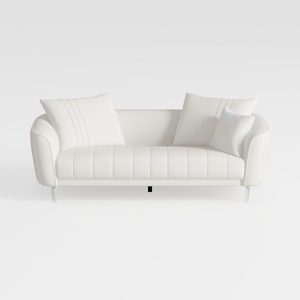
Minimalist White Leather Tufted Sofa With Throw Pillows 3D Model
Homestyler offers an easy-to-use online design tool with stunning 3D renderings, a vast collection of interior projects, and helpful DIY video tutorials—perfect for anyone looking to create and visualize stylish home designs effortlessly.
立即免费设计
































