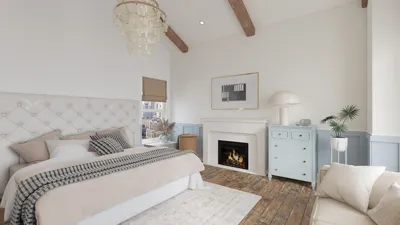


The future of living is evolving more rapidly than lease terms can be renewed, as families confront challenges like storage limitations, noise interference, and rigid room designs. Research from the AIA and NAHB indicates that households are increasingly valuing adaptable living spaces and wellness-centric areas, even within modest dimensions. This trend highlights the importance of a 2 BHK house plan featuring a children's bedroom as it becomes essential for managing daily life. I perceive these designs as a mediator between rest, work, and play—an early model of the habits that will define our futures. Homestyler plays a critical role in realizing these spatial designs.
Courtyard Spine + Front Social Bay
Design Logic: Parents situated at the social forefront, while children's spaces are bathed in natural light—this design strategy mitigates noise and aligns with the trend of prioritizing daylight in home planning.
Flow: The layout progresses from the entryway to an open living and dining area, followed by a pocket corridor leading to the kids' room and primary suite; it functions smoothly with minimal interruptions.
Sightlines: The perspective extends from the entrance to the balcony rail, allowing kids’ rooms to have lateral views rather than direct exposure to screens—the user interface emphasizes tranquility over overwhelming stimulation.
Storage: Incorporating full-height entry lockers, drawers under the dining bench, and a kids' wall grid with labeled bins ensures that retrieval is efficient and organized.
Furniture Fit: Featuring a living room sofa at 84 inches, a dining table measuring 60 by 32 inches, and beds for the kids sized between 30 to 36 inches by 75 inches with a trundle option; spatial design retains an aisle width of 36 inches.
Verdict: This arrangement functions like a robust network, with social spaces positioned upfront and private areas at the back, designed to be stable and supportive for the next five school years.
save pin
Looping Corridor + Dual-Aspect Kids Room
Design Logic: A looping corridor replaces dead ends, allowing children to expend energy while adults manage tasks; future residential models are favoring movement-oriented microplans over expansive layouts.
Flow: The pathway includes an entry that leads to a galley kitchen, progressing to a loop hallway and then to a kids' room with dual windows, followed by the bathroom, primary room, and back to the living area; it maintains a seamless flow.
Sightlines: The design enables glimpses from the kitchen to the kids' study area rather than their bed; key surfaces such as worktops and play mats remain visible, akin to primary UI components.
Storage: Featuring a corner pantry, toe-kick drawers, and over-door shelving, storage is categorized by usage frequency to maintain accessibility during busy times.
Furniture Fit: The kids' room is equipped with a 42-inch study wall, a bunk bed with a safety guard at 15 inches high, and a clearance of 30 inches; the kitchen accommodates 24-inch appliances efficiently.
Verdict: This looping design empowers children while providing parents the focus they need; the plan adjusts gracefully as children's toys transition into textbooks.
save pin
Split Bedrooms + Central Flex Node
Design Logic: Positioning bedrooms on opposite sides minimizes noise disturbances; the flex space serves as a dynamic area that can adapt to various needs—study, nursery, or guest space.
Flow: The pathway leads from the entry through the flex node to the living area, with the primary bedroom to the left and the kids' bedroom to the right; daily routines unfold concurrently like efficiently running processes.
Sightlines: The layout provides a diagonal view from the sofa to the flex desk, softly diffusing the view to the kids’ bed; visual access is curated to highlight work areas while concealing clutter—creating a clear user interface hierarchy.
Storage: With a flex wall closet, vertical pegboard for organization, under-sofa storage, and drawers under the bed; storage solutions are targeted to task completion, reducing the need for unnecessary changes in focus.
Furniture Fit: The flex space contains a fold-down desk at 54 inches, a 30-inch sleeper chair, and an acoustic screen; the kids' room preserves a play area of 48 inches free of obstructions.
Verdict: This adaptable two-bedroom layout evolves seasonally—transforming from a Lego station to an exam preparation lab as needed.
save pin
Final Takeaway
A 2 BHK house plan inclusive of a kids' bedroom is not merely a static design; it serves as an interface that channels energy, focus, and storage throughout a home—much like data flows in a network. Variants, featuring split bedrooms or looped corridors, enable family routines to function seamlessly without requiring additional space. My observations affirm that the most innovative family layouts prioritize strategic use of space over sheer size, and I find that subtle spatial choices greatly influence how children are nurtured and parents can find rest. Utilizing tools like Homestyler can help visualize these vital aspects effectively.
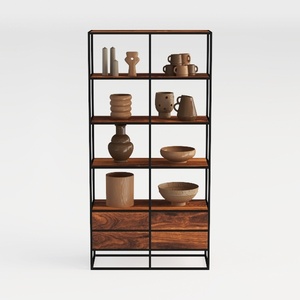
IRONCK Bookshelves 5 Tiers, Corner Bookshelf with
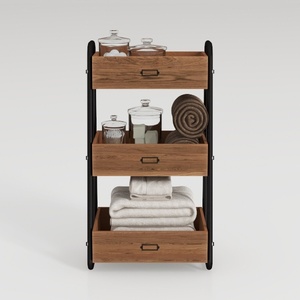
IBUYKE Narrow Side Table with Storage Shelf, 3
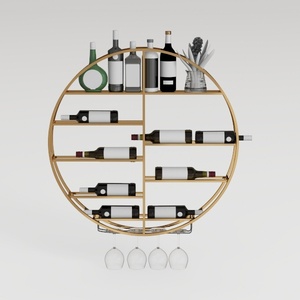
Talataca Bookshelf Heart Shape Book Lovers Nerd
Homestyler is your go-to online home design tool! With its user-friendly interface, stunning 3D rendering, extensive design projects, and informative video tutorials, you can effortlessly create and visualize your dream space, regardless of your design experience. Transform your home today with Homestyler!
Zaprojektuj teraz za darmo
































