

Over the past ten years, I have been dedicated to crafting compact venues that exceed expectations. Lakshan Hall exemplifies this approach: it has a limited space that transforms seamlessly from hosting workshops for 40 attendees to catering receptions for 120, frequently on the same day. The initial design strategy is always guided by data. Research from Gensler highlights that environments which offer choice and control enhance performance, demonstrating that settings accommodating various work modes yield significantly higher satisfaction. When applied to event formats, those providing seating flexibility and diverse postures consistently receive better feedback post-event. Moreover, lighting plays a crucial role: according to IES standards for multipurpose educational spaces, the ideal task illuminance ranges from 300 to 500 lux, with glare meticulously managed, ensuring a comfortable presentation experience with a UGR of 19 or less.
Comfort is essential for encouraging attendees to stay engaged. Research from Herman Miller indicates that supportive seating and posture diversity contribute to increased focus and decreased fatigue during sessions lasting 60 to 120 minutes. In practical terms, I often incorporate a mix of stacking chairs (approximately 17.5 inches in height, with a lumbar-friendly design), along with leaners and perch stools for the rear rows. Additionally, color selections significantly impact the ambiance: an analysis on color psychology by Verywell Mind suggests that cool neutrals and muted blues/greens promote calmness, whereas warm accents invigorate the environment. My typical palette includes a cool-neutral base with warm highlights near the front to draw attention without overwhelming the audience.
Optimizing Space: Zoning and Flow in Smaller Venues
Small venues falter when attempting to serve too many functions without clear delineation. I establish three distinct micro-zones: the main presentation area, a social circulation space including a bar or coffee station, and a flexible annex designated for breakout tables. To maintain flow, maintaining a minimum 1.5 meters (60 inches) clear pathway from entrances to the center aisle and 900 mm (36 inches) side aisles is essential, as narrow entry points can hinder the overall momentum. In order to quickly assess seating arrangements against required egress widths, I utilize a room layout tool to evaluate sightlines, chair spacing (500-550 mm width per chair), and compliance with ADA-accessible paths.
The rhythm of seating arrangements focuses on cadence and visual contrast. For lecture setups accommodating up to 96 attendees, I combine 900 mm row spacing with a 5-7° fan out toward the stage to enhance lateral visibility, ensuring that the first row is at least 1.5 times the height of the screen away for optimal viewing comfort. In banquet configurations, typically servicing 80 to 100 individuals, I prefer 1525 mm (60 inches) round tables with 1.8 meters of circulation around them, alongside a minimum of 1.5 meters of clearance for buffet lines to prevent congestion. The key is ensuring smooth transitions; incorporating caster wheels on lecterns, strategically placed cable trays, and furniture that can be stored on dollies behind acoustically rated operable walls contributes greatly to this goal.
Illuminating Effectively: Layers, Color, and Glare Management
I approach lighting design with a layered strategy: ambient lighting (via indirect or diffuse panels targeting 300-350 lux), task lighting (track spots for the lectern or stage wash targeted at 500 lux, with a CRI above 90 for natural skin tones), and accent lighting (between 2700-3000K for warmth in bar areas and art displays). Audience zones are kept slightly cooler (3500-4000K) to sustain alertness. Smooth dimming capabilities are paramount; a 1% dim-to-warm feature ensures a refined transition from presentations to dining events. To combat glare, especially with short-throw projectors, matte ceiling finishes (LRV 70-80) and strategic baffles over downlights near screens are indispensable. Additionally, acoustic panels can also act as reflective elements for light if wrapped with mid-sheen fabrics.
Acoustical Design That Captivates Attention
Compact rooms tend to amplify sound quickly. I strive for an RT60 of 0.5-0.7 seconds for spoken word clarity, utilizing a combination of 25-35% Class A sound-absorbing materials on walls and a scattering grid on the ceiling to minimize flutter. For spaces accommodating music, I install several broadband diffusers behind the stage to maintain brightness while ensuring speech clarity. The noise levels of HVAC systems should ideally be maintained at NC 30-35; if the existing system tends to run hot, I incorporate lined duct boots and reduce air speed at vents.
Texture, Color, and Human-Centric Design
In smaller venues, texture plays a vital role. I opt for resilient materials for high-contact surfaces—laminate or compact phenolic for bars, powder-coated steel frameworks, and stain-resistant upholstery. Carpeting in audience areas is chosen for its tight low-pile and NRC-friendly underlayment. Regarding color, I favor a cool-neutral foundation (N7-N8) to visually amplify the space, complemented by warm tones (like clay and saffron) in social zones and service areas to evoke energy. Seating contrast ratios are kept at or above 3:1 compared to flooring to ensure visibility in dim lighting. Subtle wayfinding elements, such as contrasting door hardware and warm washes at entry points, will guide people more effectively than large signs.
Integrating Power, Media, and Clear Sightlines
A small event can be derailed by messy cables. I incorporate perimeter floor boxes at 4-6 meter intervals, ensuring at least two data/power outlets backstage and creating a clear AV setup in front of house that maintains line-of-sight to both the presenter and screens. Screens should be approximately one-sixth the distance from the last row to accommodate text-heavy material; using dual screens is beneficial for side seating configurations. For hybrid events, camera positioning on a central axis with a slight elevation allows for optimal visibility from remote audiences. If the budget permits, I favor short-throw laser projectors with 4000-6000 lumens, paired with ambient light-rejecting screens for versatility in illuminated environments.
Furniture That Adapts to the Agenda
My standard equipment includes lightweight stacking chairs, narrow folding tables (450–600 mm), nesting high-tops, and several mobile whiteboards that also serve as dividers. Weight is a consideration—anything exceeding 8-9 kg per chair complicates reconfiguration. I aim for a 10-minute turnaround to transition from lecture to café mode with just two staff members. Implementing features such as caster brakes, recessed glides, and easily numbered storage helps minimize disorder. Maintaining consistency in finishes ensures the room retains a cohesive look, regardless of its configuration.
Operational Efficiency, Storage, and Quick Transitions
Designing a compact venue necessitates orchestrating effective backstage operations. I allocate a minimum of 10-12% of the total floor area for storage, ideally behind an operable wall, accommodating chairs, tables, linens, and AV equipment. Cleaning stations, though discreet, must be centrally located for easy access to service doors. Future considerations, such as pre-wiring for ceiling mics and planning for a subsequent camera installation, saves on reconstruction later. Additionally, employing digital signage at the entrance allows for branding continuity during events without contributing to visual clutter.
Promoting Wellbeing and Inclusivity
The WELL v2 framework underscores the importance of biophilic elements and comfortable thermal conditions to boost cognitive performance. I incorporate potted plants at the rear (to soften acoustics), maximize natural light where feasible, and aim for a comfortable temperature of around 21-23°C with lightly circulating air. At least two wheelchair-accessible spaces per 60 seats are provided within the primary seating area, not isolated to the sides, to ensure an equitable experience for all. I use flush thresholds, lever-type door handles, and feature at least one universal table height at 760 mm.
Streamlining Layout Planning: Test, Adapt, Enhance
Before finalizing designs, I meticulously simulate key transitions—morning talks, lunch workshops, and evening receptions—timing each adjustment with staff involvement. A reliable interior layout planner is instrumental in establishing proper egress widths, aligning projection angles, and evaluating table density to ensure a comfortable environment. When clients require quick visual representations to communicate event layouts, I utilize room design visualization tools, like Homestyler, to exhibit floor plans that illustrate circulation and sightlines before finalizing our plans.
Core Insights for Lakshan Hall
• Empower individuals with choices regarding posture and proximity; engagement increases as a result.
• Layer illumination with smooth dimming capabilities, while keeping glare prevention a priority during presentations.
• Maintain acoustical precision for spoken word clarity; integrate diffusion to enhance sound quality for musical performances.
• Plan power and audio-visual setups with the meticulousness of a broadcast, even if streaming isn’t currently planned.
• Designate 10-12% of the space for storage and implement a detailed map for setups prior to opening night.
References and Further Study
• Gensler Research focusing on workplace choice and performance outcomes
• IES guidelines for multipurpose rooms and glare management techniques
• Herman Miller's findings on ergonomics and concentration
• WELL v2 principles regarding lighting and comfort measures
Frequently Asked Questions
Q1. What lighting levels should I aim for during talks as opposed to receptions?
For ambient settings, target 300-350 lux for general seating and increase to 500 lux at lecterns or stages for presentations. During receptions, dim the ambient lighting to around 150-200 lux but enhance accent lighting at bars and art displays to maintain visibility.
Q2. How can I maintain clear sightlines in a narrow space?
Utilize a 5-7° fan-out in seating arrangements, maintain a distance of at least 1.5 times the height of the screen for the first row, and carefully tilt screens to minimize reflections. Avoid using tall centerpieces and keep camera tripods away from central pathways.
Q3. What is the optimal chair spacing to balance comfort and capacity?
Allocate 500-550 mm per chair, with a gap of 900 mm between rows during lecture setups, and consider adding armrests in aisle seats for easier egress when reaching maximum capacity.
Q4. How do I manage noise levels without compromising the room's acoustics?
Aim for an RT60 of 0.5-0.7 seconds for speech clarity. Combine wall absorbers with ceiling diffusers and soft furnishings in audience areas. To reduce HVAC noise, keep it within NC 30-35 via lined ducts and slower air velocities at vents.
Q5. What color schemes are most effective in small event spaces?
Utilize a cool-neutral palette to visually enlarge the space, while integrating warm accent hues in focal areas to create vibrancy. Ensure at least a 3:1 contrast between seating and flooring to enable safe navigation in dim conditions.
Q6. How much storage capacity should I plan for?
Designate 10-12% of the venue’s area for dedicated storage tailored for chairs, tables, and AV equipment. Ideally, position these storage areas nearby with wide access doors for efficient changeovers.
Q7. What strategies work best for hybrid events?
Position the primary camera along the centerline at eye-level for seated attendees, incorporate a backup angle off-axis, and ensure quality audio with ceiling microphones or a small beamforming array. Maintain even lighting on presenters (with CRI above 90) for natural appearance in remote video feeds.
Q8. How can I safeguard cables while maintaining a tidy appearance?
Install perimeter floor boxes at intervals of 4-6 meters, use gaffer tape along baseboards, and incorporate cable trays above doorways where possible. Pre-terminated AV drops backstage can expedite setup significantly.
Q9. What table dimensions provide the greatest flexibility?
Combine folding tables measuring 450-600 mm for classroom layouts, 1525 mm rounds for dining settings, and a few café tables at 900 mm for informal gatherings. Ensure that circulation loops around food and drink stations are set at 1.8 meters.
Q10. Are there any quick strategies to enhance accessibility?
Integrate wheelchair-accessible seating within the central arrangement, keep entry thresholds flush, specify lever handles for doors, and ensure at least one table at the universal height of 760 mm. Additionally, maintain clear aisles of 900 mm for all seating configurations.
Q11. What methods can I use to prevent overheating when operating at full capacity?
Assess occupancy loads and increase air circulation or add localized cooling (such as fans) in areas where heat accumulates. Choose low-noise fans to circulate air gently without increasing noise levels beyond NC 35.
Q12. How can I quickly evaluate layout options with my team?
Establish several layout presets with the aid of simulation tools, provide printed plans highlighting seating counts and clear paths, and synchronize timings for transitions during rehearsals. Display a work plan and storage guide at the backstage area.


Modern Rattan Cane Leather Upholstered Metal Dining Chair 3D Model

Modern Tan Leather Swivel Armchair and Ottoman Set 3D Model
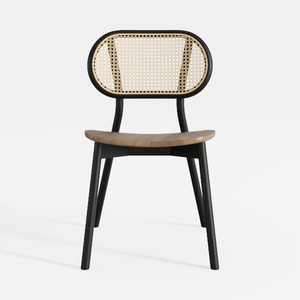
Modern Black Frame Rattan Back Solid Wood Seat Dining Chair 3D Model
Discover Homestyler, your go-to online home design platform. With an easy-to-use design tool and stunning 3D renderings, it empowers you to create inspiring spaces. Explore a wealth of design projects and DIY video tutorials to turn your ideas into reality—no experience needed!
Diseño ahora GRATIS
































