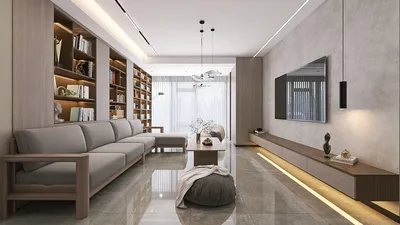


Creating a nail studio within a limited area hinges on meticulous planning rather than sacrifice. The objective is to develop a serene, hygienic, and functional space that enhances both technician efficiency and client relaxation while maintaining a clutter-free appearance. In this article, I will present proven strategies for optimizing small nail salons—focusing on aspects like lighting, air quality, sound management, storage solutions, and material selections—to ensure your studio appears more spacious, operates more effectively, and attracts repeat clients through stellar service experiences.
The quality of lighting significantly influences the sense of space and visual comfort. According to the Illuminating Engineering Society, it's advisable to aim for 500–1,000 lux on work surfaces engaged in detailed tasks; particularly for nail preparation and artistry, targeting the higher end of that range will help minimize eye fatigue and manage glare with the use of diffusers and specifically zoned task lighting. Color selection also plays a vital role: studies compiled by Verywell Mind highlight that softer, muted blues and greens are consistently associated with lowered heart rates and reduced anxiety, promoting a tranquil spa-like atmosphere for clients. For ambiance, opt for warm-to-neutral whites (3000–4000K) while employing high-CRI (4000–5000K) task fixtures at the workstations to maintain true polish color representation.
Maintaining a healthy air environment in small spaces is essential. The WELL v2 standards emphasize the importance of effective source capture and adequate air flow in minimizing exposure to particulates and VOCs in service areas. Practically, combining an under-table source-capture system with a compact HEPA filter and performing routine air purges between bookings can enhance air quality. Opting for low-VOC finishes and acetone-resistant surfaces further safeguards technicians during their shifts while keeping the studio's scent fresh.
Spatial Design for an Expansive Feel
Efficient small nail salons rely on unobstructed circulation paths and appropriately sized furnishings. Ensure there’s at least a 36-inch clear passage from the entrance to workstations, plus 30–32 inches of distance between the seated technician and client to allow for leg movement. Enclose bulky items like sterilizers, towels, and curing lamps into vertical cabinets to keep surfaces tidy. If experimenting with layouts, consider using a room layout tool such as Homestyler to visualize the arrangement, storage areas, and workflow prior to finalizing your design.
Aim for a balanced rhythm in spatial design: designate one wall for the workstation, align vertical storage on the opposite side, and incorporate a sleek bench or individual chair near the entrance. Avoid using freestanding dividers that may disrupt traffic flow; instead, delineate areas with area rugs and variations in wall color. Maintain clear sightlines from the entrance to focal points like artwork or greenery to create inviting vistas and alleviate feelings of confinement.
Technician Ergonomics and Comfort
In the nail industry, comfort translates into customer satisfaction. Research from Steelcase indicates that appropriate posture, adjustability in furniture, and frequent micro-breaks correlate with reduced fatigue and elevated productivity. For nail stations, it’s advisable to specify a table height of 28–30 inches, paired with an adjustable technician chair featuring a seat height between 17–22 inches, lumbar support, and the ability to recline. The client seating should have a steady seat height of 17–19 inches with arms to facilitate comfort during extended services.
Incorporate wrist-friendly edges like rounded designs, adjustable hand rests, and repositioned task lights to prevent shadows cast by the technician’s dominant hand. Store frequently used tools in a shallow top drawer (ideally within 18 inches), while deeper drawers below accommodate bottles and devices to mitigate overreaching strains.
Layered Lighting for Precision and Tranquility
Employ a three-tiered lighting strategy: ambient, task, and accent. For ambient lighting, choose dimmable ceiling fixtures within the range of 3000–3500K, ensuring they have a CRI of 80+ for a soft and even glow. Task lighting should be in the 4000–5000K spectrum, with a CRI of 90+ and flicker-free LED options featuring adjustable arms, positioned 15–20 inches above the work surface. Accent lighting may consist of slim wall-mounted fixtures or LED strips in shelving areas to create additional depth without causing glare. Steer clear of mirror-facing downlights that can create uncomfortable reflections; instead, favor indirect lighting techniques that enhance perceived ceiling height.
Addressing glare in reflective environments is critical. Select matte paint finishes and low-sheen flooring, complemented by microprismatic diffusers in overhead lamps. Take advantage of natural light by employing translucent shades to soften harsh contrasts while maintaining brightness.
Discreet Storage Solutions
In limited spaces, storage solutions should be subtle and accessible only when needed. Installing built-in units with full-extension drawers allows for an organized polish display, lining items front-to-back. Sort drawers by brand or viscosity and use labeled dividers for efficiency in retrieving tools. Installing a magnetic rail within cabinetry for metal instruments and a slender pull-out for bottles minimizes bending and clutter. Incorporating a lidded, odor-sealing waste bin beneath the table aids in managing both scent and visual chaos.
Selecting Materials for Long-lasting Durability
Prioritize hygienic, chemical-resistant surfaces: high-pressure laminate or compact laminate tables, epoxy-coated metal frames, and quartz or solid surfaces for wet areas. Choose easy-to-clean upholstery, like microfiber or vinyl, to withstand polish residue. Establish a base palette with light neutrals and build texture through ribbed wall coverings, boucle cushions, and sisal-look rugs, imparting warmth without overwhelming the space visually.
Acoustic Comfort in the Studio
A quiet ambiance enhances concentration and recovery. The mechanical sounds from nail machines and sterilizers can be mitigated through soft finishes rather than bulky structures. Incorporating a fabric-wrapped pinboard, acoustic baffles above work areas, and area rugs with high NRC ratings will help absorb sound. Maintain background music at a low volume (45–55 dB) and avoid parallel hard walls. A strategically placed bookshelf with varied objects can also help reduce echoing effects.
The Psychology of Color and Client Experience
The choice of color significantly influences client perceptions. Soft, muted greens promote cleanliness and balance, while blush neutrals add warmth without heaviness. Use more vibrant tones conservatively, for instance, on product displays or artwork, to prevent the space from feeling constricted. According to research referenced by Verywell Mind, blue is often associated with tranquility and trust; in tight quarters, a powder-blue ceiling can help lift the atmosphere while maintaining lighter tones on the walls.
Streamlined Workflow and Hygiene Practices
Clearly assign each service task to a designated zone: intake and payment at the front, preparation and application at the main table, curing in a separate area with electrical access, and sanitation operations at the rear counter. Label drawers by task—Prep, Color, Finish—to facilitate quick restocking between appointments. Keep disposables conveniently located and sharps in a secure, closed container. Implement source capture near the nail service areas to minimize dust dispersion and conduct air purges for five minutes between clients.
Micro-Zoning for Additional Services
To accommodate pedicures or nail art as supplementary services, create distinct micro-zones. A compact pedicure unit featuring a removable bowl and wall-mounted faucet conserves space, while a 24-inch deep counter provides room for art tools and palettes. Utilize curtains or color shifts to suggest separation without constructing walls. Ensure that both service areas adhere to similar lighting and acoustic strategies to maintain a cohesive atmosphere.
Integrating Technology into Your Studio
Consolidate cords beneath tables using a cable spine and outlet strips mounted underneath to maintain a tidy workspace. Integrate a wireless barcode scanner for quick product management, and set up a tablet station at the entry point for scheduling and payments. Employ warm-dimming LEDs in the waiting area to foster a calming, spa-like ambience, even following bright task-oriented work.
Promoting Sustainability in Small Studios
Small mindful choices add significant value: opt for low-VOC paints, formaldehyde-free cabinetry, and refillable product systems. Choose long-lasting LEDs with replaceable drivers, favor microfiber towels where hygiene permits, and invest in durable surfaces to decrease the need for early replacements. Adding a compact plant shelf situated near diffuse light can enhance biophilic design, while serving as a soft visual barrier.
Layouts I Utilize Repeatedly
For spaces under 80 square feet, my go-to design features a wall-mounted workstation, slender upper cabinets, a 20-inch deep countertop, and a single client chair along with a compact bench at the entrance. For areas between 90–120 square feet, incorporate a rear sanitation counter, a specified curing zone, and a mini pedicure nook. Before construction begins, use an interior layout planner like Homestyler to visualize adjacencies and clearances to prevent costly modifications.
Additional Resources for Exploration
For lighting guidelines and task quality benchmarks, refer to the IES standards. For insights on air quality and source capture, the WELL v2 framework offers valuable ventilation and filtration considerations tailored for nail studios.
Frequently Asked Questions
Aim for 500–1,000 lux for work surfaces, utilizing 4000–5000K LED task lighting with a 90+ CRI for accurate color rendering. Softer ambient lighting (3000–3500K) can help diminish glare.
Opt for a table height of 28–30 inches, coupled with a technician chair adjustable from 17–22 inches to ensure neutral wrist and shoulder positions. Include a cushioned handrest to reduce ulnar deviation.
Implement source capture near the work area, a HEPA air purifier sized appropriately for the room, and schedule air purges between client services. Choose low-VOC finishes to minimize emissions.
Light neutrals with cool undertones can visually expand space. Soft blue and green shades create a calming effect for clients, while reserving vibrant accents for shelves or artwork helps avoid visual compression.
Utilize full-extension drawers equipped with dividers, a slim pull-out for bottles, and vertical cabinet storage. Ensure frequently used items are within an 18-inch reach for efficiency.
Incorporate a plush rug, fabric pinboard, and slim acoustic baffles positioned over workstations. Bookshelves and plant displays will contribute to sound mitigation and reduce echo effects.
Indeed—utilize a compact unit featuring a removable bowl, wall-mounted faucet, and a curtain or color shift to delineate each area while maintaining prevalent circulation and shared lighting.
Select high-pressure or compact laminate for tabletops, quartz or solid surfaces for wet areas, and epoxy-coated metal for frames. Opt for vinyl or microfiber for upholstery that can be cleaned swiftly.
Position a power strip under the table, use a cable spine to keep cords routed downwards, and designate a storage drawer for recharging lamps and tools to keep working surfaces free from clutter.
Organize storage based on service steps, use closed containers for sharps, keep disposables easily accessible, and maintain defined cleaning protocols alongside effective source capture and HEPA filtration practices.

Minimalist Brown Velvet L Shaped Sectional Sofa 3D Model

Rustic Solid Oak Round Coffee Table Unique Geometric Base 3D Model

Looking to transform your space effortlessly? Homestyler is your go-to online home design platform! With its user-friendly design tool, stunning 3D renderings, and an array of DIY video tutorials, you'll turn your ideas into reality in no time. Start your design journey today!
Design Now for FREE
































