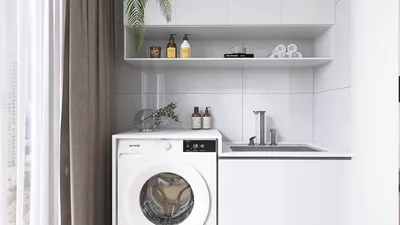


When designing small living rooms, my guiding principle is that every square inch should serve a purpose. The perfect couch is crucial as it anchors the space, dictates the flow of movement, and can either help free up valuable areas or consume them. Throughout various urban apartments and compact homes, I have discovered that opting for couches with slimmer arms, elevated legs, and thoughtfully designed seat depths can significantly enhance a limited footprint without compromising comfort—a philosophy easily aided by tools like Homestyler.
Performance extends beyond mere measurements. Steelcase research indicates that varying postures support comfort for long periods; in living environments, this means ideal seat depths range from 20 to 22 inches for shared usage, while petite users benefit from depths of 17 to 19 inches. Additionally, using firm but resilient foam helps maintain shape over time. WELL v2 guidelines emphasize the importance of managing glare and ensuring visual clarity; lighter upholstery and matte textures can minimize visual clutter and reduce eyestrain in smaller spaces, while also enhancing the sense of brightness. For a broader understanding of healthy interiors, explore WELL's performance guidelines regarding light and mental well-being at wellcertified.com.
Criteria for Selecting a Couch in Small Living Rooms
I evaluate six key factors: the couch's footprint, seat depth, arm design, leg style, adaptability, and material. A compact three-seater generally fits within a width of 72 to 78 inches, while loveseats are around 56 to 64 inches. Aim for an overall depth of under 34 to 36 inches to maintain clear pathways. Sleeker or sloped arms can save 6 to 10 inches in width compared to traditional track arms. Couches with visible legs (6 inches or taller) create an airy appearance and facilitate cleaning, while plinth bases offer a cozy look when ceilings are higher.
Ideal Couch Types for Space Efficiency
For layouts that involve a single room, I recommend tight-back designs that minimize depth, multi-density cushions for support, and arms narrower than 4 inches. A bench seat without seams provides comfort for three people. If the configuration is challenging, utilize an interior layout planner tool like Homestyler to check for clearance, television sightlines, and the swinging path of neighboring doors.
Perfect for bay windows or alcove spaces. It’s important to maintain a seat depth of 20 to 22 inches to keep knees at a comfortable angle. Plus, adding a small ottoman that slides neatly under a coffee table enhances comfort while saving precious floor space.
Lowering the arm height can reduce the overall width by up to 10 to 12 inches. This is beneficial when maximizing seating in a narrow area. Styling tip: soften the linear design with a rounded coffee table to enhance balance and ensure safer traffic flow.
Sectionals are also a viable option. A two-piece sofa paired with either a right- or left-facing chaise (with a total span of 84 to 92 inches) can effectively replace an extra lounge chair. Opt for a narrow chaise of 30 to 32 inches and maintain tight back cushions to prevent unwanted bulk.
Configurations featuring two or three modular pieces allow for flexibility as your needs change. I typically prefer modules that are 28 to 32 inches wide, equipped with corner pieces having slim arms, enabling you to rearrange for guests or to fit a longer wall.
For spaces that frequently welcome guests, it's best to choose tri-fold foam or click-clack sleepers without heavy mechanisms. Keeping the couch depth below 36 inches when in sofa mode and ensuring 90 to 94 inches of clearance when extended is crucial.
Understanding Dimensions, Ergonomics, and Comfort
Comfort is deeply rooted in human ergonomics. Insights from Herman Miller highlight the importance of posture variation and lumbar support for prolonged seating. Apply this in the home setting: opt for firm seat cores (like high-resilience foam or foam-wrapped springs), a seat height between 16.5 to 18 inches for most users, and a back pitch of around 100 to 110 degrees for relaxed conversations. For taller individuals, a seat depth of 22 to 23 inches with a lumbar support pillow maintains support without forcing shorter individuals to over-recline.
Color, Light, and Space Perception
Research from Verywell Mind on color psychology shows that lighter shades can create a sense of openness, while deeper tones impart a feeling of intimacy. In small living areas, I usually opt for a light to mid-toned base (like warm gray, sand, or fog blue) and introduce darker accents through throws or cushions. Combining matte, textural fabrics also minimizes glare, aligning with WELL's standards for visual comfort. Ensure to place the couch perpendicular to the brightest window to reduce direct glare on faces and screens.
Optimal Materials for Functionality
- Performance woven polyester or solution-dyed acrylic: These are stain-resistant, colorfast, and suitable for family environments.
- Wool blends: Known for their resilience and breathability, they bring a luxurious feel with tight weaves.
- Top-grain leather: This material ages beautifully, visually receding due to its reflectance; semi-aniline finishes enhance cleanability.
- Tight weaves over heavy chenilles: Such weaves exhibit fewer pressure marks and maintain shape better in compact living situations.
Enhancements in Leg, Base, and Visual Elevation
Small spaces benefit from an elevated design. Sofas placed on 6 to 7 inch legs reveal more floor area, thereby enhancing perceived square footage. For those opting for a plinth base, maintaining a thin profile and matching the color to the flooring can decrease visual disruption.
Effective Flow and Furniture Placement
Ensure 30 to 36 inches for primary circulation and a minimum of 18 inches between the sofa edge and the coffee table. In confined spaces, consider using a coffee table with a diameter of 16 to 18 inches or two poufs measuring 14 to 16 inches that can be neatly tucked away. If the television is on a shorter wall, slightly angle the sofa to broaden the path behind it. A layout simulation tool can be invaluable in confirming reach, sightlines, and door clearances— Homestyler can assist with this.
Sound and Tactile Comfort Considerations
Compact spaces can create acoustic challenges. Softer, textured upholstery combined with a dense rug (weighing between 32 to 48 ounces) under the front sofa legs helps reduce echo. Incorporate sound-absorbing elements like curtains, book spines, and upholstered ottomans to foster a harmonious sound environment for conversation and media consumption.
Recommended Couch Profiles for Optimization
- Tight-back, bench-seat apartment sofa: 74–76 inches wide, arms ≤4 inches and legs 6–7 inches high.
- Loveseat with slope arms: 60–62 inches wide, 34 inches deep, featuring a single bench seat.
- Compact chaise sectional: 82–90 inches long overall, with a chaise measuring 30–32 inches wide, designed with a tight back.
- Armless two-seater settee: 58–60 inches wide, 30–32 inches deep, complement with a small ottoman.
- Low-mechanism sleeper: 72–78 inches wide, 35–36 inches deep, and 90–94 inches open length.
Achieving Style Without Clutter
Maintain a balanced palette: one foundational fabric, two accent colors, and one natural texture (wood, rattan, linen). Utilize a slim-profile floor lamp behind the sofa to maximize side table space. Favor a single oversized artwork instead of a crowded gallery wall to evoke tranquility.
Maintaining Care, Durability, and Sustainability
Opt for removable cushion covers, durable double-stitched seams, and reversible seat cushions. Choosing materials that have undergone third-party testing for performance and possess low-VOC finishes aids in promoting healthier air quality. Whenever possible, select kiln-dried hardwood frames or engineered hardwood with corner blocking for greater durability; less frequent replacements contribute to a lighter environmental impact.
Frequently Asked Questions
Typically, apartment sofas measuring between 72 and 78 inches or loveseats spanning 56 to 64 inches will provide sufficient space for 30 to 36 inches of circulation and an 18-inch coffee table gap.
Yes—if the sectional effectively substitutes both a sofa and a lounge chair. A compact chaise sectional (totaling 84 to 92 inches) can yield more seating while keeping pathways unobstructed.
Aim for a seat depth of 20 to 22 inches, adding a lumbar pillow for shorter users to maintain support for taller ones without resorting to an excessively deep frame.
Choosing armless or slim slope arms (less than 4 inches wide) saves precious width. While track arms offer a sleek appearance, they can appear bulkier if too wide.
Indeed. A 6 to 7 inch leg elevates the profile, revealing more flooring and enhancing the perception of space, all while assisting in cleaning and ensuring airflow around heating sources.
Performance wovens, such as solution-dyed acrylic or polyester, offer resistance against stains and fading. Opt for tight weaves to minimize snags; semi-aniline leather is also an excellent choice for easy maintenance.
Maintain a viewing distance of approximately 1.5 times the screen's diagonal size and ensure there’s an 18-inch gap between the sofa and the table. Slightly angling the sofa can also help create a clear pathway.
You can achieve a breezy atmosphere by balancing it with light-colored walls, a pale rug, and ample layered lighting. Employ matte textures to diminish glare and keep contrast comfortable.
Soften the area around the sofa by incorporating a dense rug beneath the front legs, lined drapery, and one or two upholstered accents. These additions help absorb reflections, facilitating clearer conversations.
Use painter’s tape to outline footprints or leverage an interior layout planner like Homestyler to visualize circulation and furniture clearances before making any decisions.
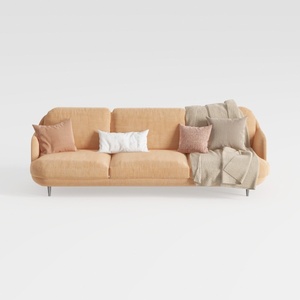

Modern Minimalist Peach Fabric Sofa with Throw Pillows and Blanket 3D Model
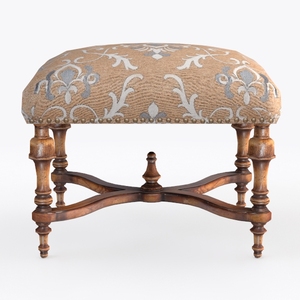
Vintage Fabric Upholstered Solid Wood Ottoman 3D Model

Minimalist Solid Wood White Fabric Tufted Sofa 3D Model
Homestyler is your go-to online home design platform, perfect for anyone looking to create stunning interiors. With its easy-to-use design tool, impressive 3D renderings, a vast array of design projects, and helpful DIY video tutorials, you can effortlessly transform your home into a style haven.
Projete agora para LIVRE
































