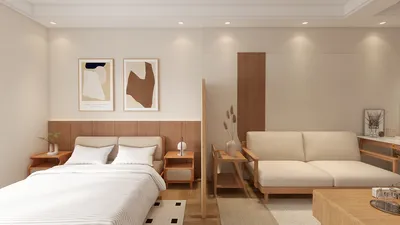


I have created numerous small dental offices where every inch must serve dual purposes—providing comfort to patients while ensuring efficient clinical operations. The challenge goes beyond mere spatial constraints; it incorporates elements like psychology, lighting, acoustics, and infection control harmoniously working together. In compact designs, choices made can either ease the experience or complicate it. My intention here is to demonstrate how limited areas can convey a sense of spaciousness, tranquility, and functionality, potentially leveraging tools like Homestyler for effective visualization.
Research consistently indicates that our surroundings significantly influence experiences and performance. According to WELL version 2, ambient light levels should be approximately 300–500 lux in common areas, with increased task lighting for clinical applications to enhance visual comfort and precision. Studies conducted by Steelcase reveal that cognitive strain escalates in visually cluttered environments; minimizing chaos and creating straightforward wayfinding can alleviate stress and elevate overall satisfaction. The psychology of color is also crucial—blues and soft greens are reported by Verywell Mind to foster calmness, while bold reds can raise alertness, which is advantageous for certain zones but may not be ideal in patient areas. These guidelines inform the foundational aspects of small clinic designs.
The efficiency of clinical operations hinges on adhering to ergonomic standards and ensuring clear sightlines. Research from Herman Miller regarding caregiver workspaces highlights that the positioning of tools and equipment directly influences speed and reduces errors; the same principles can be applied in dental practices—high-frequency instruments should be kept within an accessible 20–40 inch range, while sterile and used tools need distinct pathways to prevent cross-traffic. Utilizing a room layout tool like Homestyler enables rapid visualization and adjustment of chair arrangements, cabinet spaces, and circulation routes before final decisions are made.
Plan the Flow: Zoning That Reduces Anxiety and Congestion
I begin by establishing four distinct zones: Welcome (for arrival and administration), Calm (for waiting and consulting), Clean (for sterilization and storage), and Care (for operatories and imaging). Reception should be positioned near the entrance, maintaining a clear view of exits to minimize confusion. The waiting area must create an acoustic barrier from treatment rooms to ensure patients do not overhear procedures. Sterilization should be strategically located between operatories, utilizing pass-through cabinetry to optimize the flow of instruments. Imaging areas need to be adjacent but should not impede traffic. Typically, circulation spaces of 42–48 inches are sufficient, with generous turning radii to accommodate carts or wheelchairs.
Lighting: Precision for Care, Warmth for Waiting
Lighting serves a dual purpose of ensuring clinical precision and managing the atmosphere. In operatories, high CRI (90+) task lighting should be placed above the chair, complemented by ambient lighting of 4000–5000K for accurate color representation—essential for matching shades. Waiting rooms benefit from a warmer hue of 3000–3500K to alleviate anxiety. It is essential to maintain 300–500 lux in communal settings while providing over 1000 lux at the chair during procedures per industry lighting standards; controlling glare through indirect uplighting helps prevent eye strain. Utilizing dim-to-warm fixtures in patient areas creates a more inviting environment while maintaining clarity.
Color Psychology: Gentle Tones, Strategic Accents
The perception of size in small clinics can fluctuate based on color choices. Soft, muted greens, gentle blues, and warm greige tones foster calmness; high-contrast colors should be employed only where they direct behavior, such as on doors and signage. Bright colors can be used in staff-only spaces to invigorate the atmosphere without overwhelming patients. Research by Verywell Mind links shades of blue to stability and trust, making it an excellent choice for reception areas, whereas vivid reds may increase heart rates and should be avoided in waiting rooms. Maintaining a clean, monochromatic cabinetry aesthetic accented by wood details keeps visual distractions to a minimum while enhancing a high-end appeal.
Human Factors: Ergonomics That Prevent Burnout
Repetitive movements such as reaching and twisting can lead to fatigue. It is crucial to position instrument trays at elbow-to-shoulder height, mount monitors on adjustable arms for a comfortable viewing angle, and arrange chair-side carts to avoid crossing paths for the clinician's dominant hand. Incorporating sit-stand options for administrative desks can reduce sedentary stress. Ensuring patient comfort with armrests at approximately 26 inches and seat pans designed with gentle waterfall edges can alleviate leg strain. In constrained spaces, wall-mounted foldable seats in consultation areas provide flexibility while remaining unobtrusive.
Acoustic Comfort: Quieting the Micro-Stressors
Dental-related sounds can often induce anxiety in patients. Effective acoustic layering is essential: employing sound-absorbing ceiling tiles (NRC ≥ 0.75), upholstered furniture with dense foams, and strategically placed wall panels can significantly reduce noise. Integrating white noise machines or soft ambient music can help mask loud equipment sounds. Operatories should be sealed with solid-core doors and equipped with soundproofing around frames. In reception areas, soft furnishings and rugs contribute to less echo; it is also advisable to keep mechanical rooms away from waiting areas, or if unavoidable, utilize vibration isolation pads and acoustic lagging.
Materials and Cleanability: Infection Control Without Sterility Fatigue
Select materials that withstand disinfection while still promoting a human touch. In operatories, seamless vinyl or rubber flooring prevents dirt accumulation; in waiting areas, opt for durable low-VOC luxury vinyl tile with acoustic underlay to create a warm ambiance. Solid-surface countertops offer excellent resistance to stains, while matte finishes mask smudges. Cabinet hardware should be large enough for use with gloved hands, and touchless faucets and dispensers can help minimize contamination. Where budgets permit, incorporating antimicrobial coatings on frequently touched surfaces is advisable. Prioritize low-emission materials to enhance air quality; WELL v2 standards advocate for reduced VOC levels and sufficient ventilation.
Spatial Ratios and Visual Balance: Making Small Feel Larger
Using scale and proportion effectively can create an illusion of spaciousness. Vertical storage solutions can clear floor space. Adding clerestory windows or transoms allows light to flow between rooms while maintaining privacy. Ensuring longer sightlines by aligning doorways across axes enhances depth perception. In compact operatories, a minimum dimension of 9–10 feet from the headwall to the foot of the chair, and a width of 7–8 feet allows for comfortable navigation with carts. Incorporating mirrors opposite windows expands the perceived volume, and light, unbroken flooring also contributes to reducing visual interruptions.
Wayfinding and Micro-Branding
Efficient wayfinding lessens cognitive load for visitors. Consider subtly numbering and color-coordinating operatories; legible signage with consistent icons can help reassure first-time patients. Brand integration can be achieved through materials, such as a unique veneer or color accents instead of overt logos, as patients tend to associate cohesion with professionalism. The reception area should be welcoming, featuring an accessible lower desk section, with privacy films installed where personal information might be inadvertently visible.
Storage Strategy: Hide the Chaos, Keep Speed
Small clinics often fall short when it comes to storage planning. Implement vertical pull-out systems, ceiling-high cabinetry with step stools, and under-bench drawers specifically designed for instruments and disposables. Bulk supplies should be organized into labeled bins, and a clear first-in-first-out system must be observed with a defined route back to sterilization. A central storage unit positioned between operatories can streamline workflow and minimize clutter in patient spaces.
Lighting Controls and Energy
Implementing layered lighting controls enhances both energy efficiency and user comfort. Utilize occupancy sensors in non-patient areas, vacancy sensors for operatories to allow manual adjustment, and scene presets for varying needs during consultations and procedures. Ideally, waiting areas should follow circadian-friendly lighting schedules that align with natural daylight. Incorporating dimmable and tunable white lighting enables a swift transition from calming to clinical ambiance without causing visual disruption.
Case Insight: Compact Two-Op Clinic
In designing a 750-square-foot clinic, we positioned sterilization centrally and incorporated pass-through cabinetry to prevent any instrument flow through the patient corridor. The operatories measured 8 by 11 feet, utilizing side-delivery units to maximize foot space. A soft blue wall in the reception area established a brand foundation, while ambient lighting of 3500K created a soothing vibe upon arrival. Acoustic ceiling tiles coupled with a small sound-masking system successfully diminished the intrusive sounds of tools in the waiting area. By using an interior layout tool like Homestyler, we experimented with chair placements until we achieved an efficient plan with no cross-traffic, all without increasing the clinic's footprint.
FAQ
To ensure effective color matching, maintain over 1000 lux in procedure zones with high CRI task lights, and provide 4000–5000K neutral ambient lighting for accurate rendering. Waiting areas should remain between 300–500 lux, with 3000–3500K for comfortable illumination.
The calming effects of soft blues and muted greens increase trust; brighter reds and oranges should be reserved for staff areas or as accents, steering clear of patient waiting areas.
To block out undesired sounds, implement high-NRC ceiling tiles, upholstered seating, and wall panels on first reflection surfaces, complemented by a minor white-noise system. Solid-core doors with proper gasketing can greatly enhance soundproofing in operatories.
Aim for dimensions of around 7–8 feet in width and 9–10 feet in length, incorporating either side-delivery or rear-delivery setups to keep the foot space unobstructed and allow for convenient movement.
Centralize sterilization processes between operatories, making use of pass-through cabinetry. This arrangement promotes clean workflows that do not interfere with patient corridors, enhancing efficiency and minimizing errors.
Utilize seamless flooring in treatment areas (such as rubber or vinyl), along with durable, low-VOC options in waiting areas, solid-surface counters, and matte finishes on cabinets. Incorporating wooden accents can warm the overall aesthetic.
Maintain frequently used tools within a 20–40 inch reach zone, mount monitors on adjustable arms at a slight downward angle, and correctly position carts to prevent wrist and torso strain.
Ensure clear sightlines towards reception, utilize coherent signage, color-coding for operatories, and implement privacy films in areas where personal data may be visible, maintaining patient confidentiality.
Yes, using appropriate lighting controls enables a transition from calming 3000–3500K in waiting areas to neutral 4000–5000K for clinical tasks, enhancing both patient experience and visual precision.
Adopt continuous flooring patterns, opt for vertical storage solutions, position mirrors opposite windows, and keep furniture profiles low to amplify perceived openness in the space.

Modern Blue Fabric Tufted Loveseat Sofa with Decorative Pillows 3D Model

Modern Light Blue Fabric Loveseat Sofa with Decorative Throw Pillows 3D Model

Classic Luxury Blue Leather Tufted Living Room Sofa 3D Model
Looking to transform your space? Homestyler is your go-to online home design platform. Featuring an intuitive design tool, stunning 3D renderings, and inspiring DIY video tutorials, it empowers you to create beautiful interior designs effortlessly, making your vision a reality!
Zaprojektuj teraz za darmo
































