

Compact classrooms can deliver exceptional results when lighting, acoustics, and space are thoughtfully integrated. With over a decade of experience in crafting small learning environments, I've focused on optimizing every inch to promote education, equality, and wellbeing. In these constrained areas, achieving better outcomes initiates with measurable elements: proper lighting, ergonomic considerations, and clear spatial organization—all tailored to the specific age group and learning agenda, often facilitated by tools like Homestyler for efficient design.
The quality of lighting plays a pivotal role in cognitive function. The Illuminating Engineering Society suggests maintaining illumination levels between 300 and 500 lux for routine classroom tasks, emphasizing the importance of controlled glare and well-balanced vertical light to enhance student engagement and facial recognition. WELL v2 underscores that daylight access and views contribute to reduced absenteeism and improved satisfaction, especially when glare is effectively managed. I typically set ambient lighting around 350–400 lux, with additional task lighting reaching 500 lux at reading stations, ensuring a seamless transition from screen to paper without eye strain using strategic approaches like those available in Homestyler.
The fit of furniture and seating arrangement critically influences concentration and fatigue. Research from Herman Miller indicates a direct connection between ergonomic seating choices and enhanced focus, while studies by Steelcase reveal that active and adjustable seating bolsters student engagement with digital materials. In small classroom settings, I prioritize 80-90% flexible furnishings—such as stackable chairs and mobile tables—to allow educators to transition swiftly from whole-group instruction to breakout sessions in under two minutes, minimizing congestion and facilitating movements.
Space Design: Ratio Management, Flow Dynamics, and Connective Layouts
Small classroom environments require meticulous planning ratios. For classrooms under 600 square feet designed for grades K-6, I typically designate approximately 35-40% of the area for instructional purposes (including teacher zones and projection areas), 30-35% for collaborative workspaces, 10-15% for quiet reading zones, 10% for storage, and 5-10% for circulation paths. These structural allocations help maintain balance among activities and ensure unobstructed sightlines. When reshaping layouts, utilizing a room design application like Homestyler can effectively simulate traffic patterns, evaluate seating arrangements, and clarify sightlines for educators.
Lighting Conditions: Lux Levels, Color Temperature, and Eliminating Glare
I employ ambient lighting in the range of 3500-4000K for alertness devoid of harshness, task lamps calibrated to 4000K for reading and writing, and softer lighting at 3000-3500K in quiet spaces. To mitigate glare, I position screens strategically to avoid direct sunlight and recommend low-UGR luminaires paired with dual-layer window treatments—light-diffusing combined with blackout options for audiovisual needs. Consistency in vertical illumination on teaching walls is crucial to avoid student tendencies to congregate in brighter areas, thus enhancing engagement overall.
Acoustic Comfort: Ensuring Clarity in Compact Spaces
Clarity of speech directly enhances comprehension. I aim for a reverberation time (RT60) between 0.5 to 0.6 seconds in small classroom settings, accomplished through a blend of acoustic ceiling tiles (NRC ≥ 0.7), soft flooring solutions, and pin-up areas featuring textiles on parallel walls. Implementing a compact soundfield system normalizes the teacher’s voice without exertion. Incorporating simple practices, like utilizing rubber pads under chair legs and felt bumpers on doors, can significantly decrease noise levels as well.
Color Psychology and Material Choice
Colors play a critical role in affecting attention and arousal levels. Studies focused on color psychology illustrate that cooler and less intense hues can diminish physiological arousal while promoting sustained concentration, with vibrant warm accents providing bursts of energy during collaborative tasks. By maintaining neutral tones on expansive surfaces and introducing single saturated colors for circulation indicators and zone boundaries, I promote desired behaviors while avoiding visual clutter. Material selection should prioritize cleanliness and low VOCs; for example, textured laminates for resilience, cork for pin-up boards, and durable, washable fabrics in reading areas are excellent choices.
Furniture and Ergonomics: Age-Adaptive Flexibility
Select desks and chairs according to student sizes, ensuring adjustability in table heights extends usability across different grades. Mobile rectangular tables are preferable to round ones as they allow for tighter placement, while flip-top tables can be easily stored when spaces need to be repurposed for more active pursuits. Incorporating a few active seating options, such as wobble stools and seat cushions, can further support self-regulation among students. The teacher's station should remain compact and flexible to prioritize student workspaces and ensure clear sightlines throughout the room.
Behavioral Insights: Designing for Movement
Learning can be hampered by inefficient transitions. I design spaces with clear intentions: an entryway for personal storage, well-defined paths leading to collaboration areas, and visual cues—like graphics or color bands—that delineate 'quiet' and 'discussion' spaces. By utilizing mobile furniture combined with predetermined locations for equipment, educators can switch instructional methods—be it lectures, group work, or independent study—without extensive resets. Positioning tech carts and charging stations near collaborative sections minimizes the hassle of cable management, enhancing overall workflow.
Storage Organization: Hide, Reveal, and Rotate
Excess clutter can heighten cognitive load. I categorize storage into three tiers: regularly accessed open bins positioned close to activity zones, mid-frequency closed cabinets along less reflective walls, and seasonal items stored high or externally. Use vertical pin-up surfaces to maintain visibility of learning materials while keeping instructional clarity at the forefront. Regularly rotating materials weekly fosters engagement without overwhelming students with visual distraction.
Natural Light and Scenic Views: Enhancing Focus Throughout the Day
Access to daylight significantly enhances performance when optimized. Balancing side lighting with window treatments reduces contrast on work surfaces. Reading nook placements close to windows capitalize on natural light for tranquil activities, paired with indirect lighting solutions that mitigate shadows on grayer days. Including views of greenery, even if partial, can provide much-needed cognitive breaks—position low seating opposite windows to avoid glare while still maintaining visibility of the outdoors.
Technology Integration: Managing Screen Use
Mount screens at student eye level and angle them slightly downwards to minimize reflections, maintaining brightness levels that align with ambient lighting. Cable management requires routing cables underneath tables with quick-release clips; charge carts should be located near wall outlets to maintain clear walkways. Implementing microphones can enhance the learning experience for students with auditory processing challenges, ensuring inclusivity in the classroom.
Ensuring Safe Movement: The 30-Inch Standard
Maintaining a minimum aisle width of 30 inches is essential in primary traffic areas, with wider spaces near exits. Arrange collaboration clusters thoughtfully to avoid any back-to-back seating facing primary exits and bypass dead-end corners that limit movement. In smaller classrooms, rounded table edges reduce the risk of injury, while furniture on casters with locking mechanisms prevents unintended shifts during educational activities.
Implementation Plan for Albany Hall
Week 1: Conduct an audit of lighting (noting lux levels), reverberation time, storage utilization, and circulation obstacles. Week 2: Redesign the layout incorporating flexible clusters and clear quiet zones; simulate interactions using an interior layout designer like Homestyler. Week 3: Install dual-layer window treatments, low-UGR lighting fixtures, acoustic ceiling tiles, and chair gliders. Week 4: Finalize color accents, optimize seating arrangements, and designate specific areas for mobile furniture. Week 5: Train staff on transition mechanics and effective storage management techniques to refine operations.
Lighting goals and glare control are based on IES guidelines, while health-driven daylight initiatives align with WELL v2 recommendations regarding visual comfort and lighting effectiveness. The ergonomic insights gleaned from Herman Miller and Steelcase research further support posture variability's benefits in education environments.
Frequently Asked Questions
Q1: What are the optimal illuminance levels for classrooms?
A: Target a range of 350–400 lux for ambient lighting and up to 500 lux in task areas, aligning with IES classroom standards; keep glare under control through effective diffusers and smart shade placements.
Q2: How can I reduce reverberation without extensive renovations?
A: Incorporate acoustic ceiling tiles (NRC ≥ 0.7), introduce soft rugs, apply textile pin-up strips, and utilize rubber glides under chairs to achieve an RT60 of around 0.5–0.6 seconds for clear auditory communication.
Q3: What color temperature levels should be used?
A: Employ 3500–4000K for ambient lighting to promote alertness, task lights at 4000K in work areas, and softer lights at 3000–3500K for calmer sections of the classroom.
Q4: How many types of furniture are ideal for a small classroom setup?
A: Aim for a streamlined selection: mobile rectangular tables, stackable chairs, a few active seating choices, and a compact teacher's station. An excess of furniture varieties can complicate transitions.
Q5: How do I ensure clear movement and circulation in limited spaces?
A: Maintain a minimum aisle width of 30 inches, opt for rounded table edges, and ensure mobile furniture is parked in designated areas. Avoid seating configurations that obstruct exit visibility.
Q6: What is the most effective method to enhance daylight comfort?
A: Install dual-layer shades, position screens perpendicular to windows, and rely on indirect lighting methods for consistently balanced illumination on overcast days. Provide low seating options by windows that manage glare effectively.
Q7: Where should I position charging carts and technology hubs?
A: Place charging stations close to wall outlets near collaboration clusters, keep cables managed under tables with clips, and ensure display brightness is adjusted to match surrounding light levels.
Q8: How can I maintain an uncluttered storage system visually?
A: Implement a tiered organization strategy: daily use items in open bins, weekly resources in closed cabinets, and seasonal supplies stored high or externally. Rotating displayed items regularly reduces cognitive load and visual noise.
Q9: What evidence supports the positive impact of flexible furniture on focus?
A: Research from Herman Miller and Steelcase affirms that variability in posture and adaptable seating arrangements contribute to lower discomfort levels and improved attentiveness, benefiting learning environments overall.
Q10: What are some recommended layout ratios to start with for classroom design?
A: For areas under 600 square feet, consider the following allocations: 35-40% for instruction, 30-35% for collaboration, 10-15% for quiet zones, 10% for storage, and 5-10% for circulation; adjust accordingly to fit your specific educational framework.
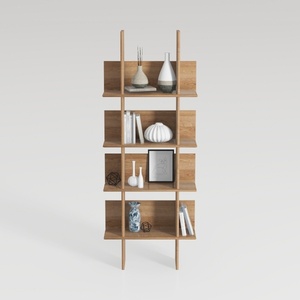

Minimalist Solid Wood Open Bookshelf Display Shelf 3D Model
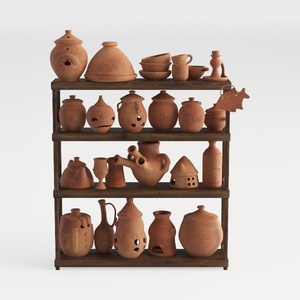
Rustic Terracotta Decorative Pottery Set with Wooden Shelf 3D Model

Minimalist Solid Oak Fabric Upholstered Dining Chair 3D Model
Discover the ease and creativity of home design with Homestyler! This user-friendly platform offers an innovative online design tool, stunning 3D rendering, inspiring design projects, and engaging DIY video tutorials. Transform your vision into reality and elevate your space effortlessly!
Дизайн сейчас бесплатно
































