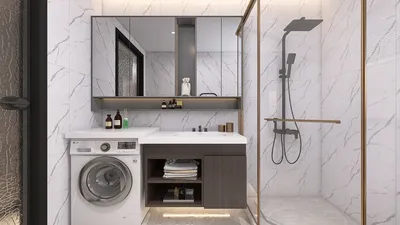


How can you enhance a single-story home floor plan for optimal space utilization? The focus should be on reducing excessive hallway areas, merging multifunctional zones, incorporating built-in storage solutions, and positioning key living spaces to support natural movement throughout the home. A thoughtfully designed one-level layout emphasizes smooth circulation and adaptable rooms, ensuring every square foot is maximized effectively. Utilizing tools like Homestyler can greatly assist in visualizing and refining these layouts during the design process.
Effectively designed single-story homes minimize wasted areas by strategically placing kitchens, living spaces, and storage where daily activities naturally take place. This thoughtful organization contributes to improved functionality and a sense of spaciousness.
Key Insights at a Glance
When assessing a single-story house layout, the primary concern is identifying unnecessary movement. Through years of crafting residential interiors in California, a consistent challenge emerges: many single-level homes lose valuable space due to inefficient hallway design and compartmentalized rooms. Instead of expanding the home's size, the real goal lies in optimizing each square foot through smarter flow, better storage planning, and flexible room usage. Digital platforms like Homestyler enable designers and homeowners alike to experiment with layouts, unveiling inefficiencies early on.
This guide outlines effective strategies commonly used to enhance the spaciousness, organization, and adaptability of one-story residences without enlarging the building footprint. By leveraging design tools such as Homestyler, one can test various configurations to achieve an ideal balance between comfort and efficiency.
Fundamental Strategies for Space-Efficient Single-Story Homes
Core Principle: Efficient single-level homes prioritize movement flow over isolated room arrangement. Instead of conceptualizing space room by room, designers focus on seamless circulation loops connecting frequently used areas like the kitchen, living room, bedrooms, and storage. This approach naturally expands the perceived size of the home.
Incorporating insights from architectural industry reports, open and multifunctional spaces dominate recent trends because they minimize redundant square footage. In practical terms, realigning main pathways has reclaimed up to 120 square feet in some projects of around 1,600 square feet. Utilizing Homestyler's visualization features can aid in identifying such opportunities during planning.
Minimizing Hallway Waste
Critical Insight: Lengthy hallways are often the unseen culprits for wasted space in single-level residences. While corridors are essential, poorly designed ones can consume a disproportionate amount of floor area — sometimes up to 15% in compact homes.
Recommendations to curtail hallway inefficiencies include avoiding extended spine corridors by replacing them with shorter branching paths that maintain proximity between bedroom zones and main living areas. Using Homestyler to simulate different hallway configurations can reveal the most spatially economical designs.
Innovative Storage Solutions for Single-Level Layouts
Key Insight: Integrating built-in storage often yields better gains than constructing additional rooms. Frequently, homeowners desire larger homes when the real challenge is a lack of efficient storage. When storage is embedded seamlessly within the design, overall layout performance improves markedly.
Effective storage strategies might encompass cabinetry integrated into walls or multipurpose furniture. For example, in a recent 1,450 square-foot home, incorporating built-in storage eliminated the necessity for an extra closet, freeing up nearly 60 square feet. Testing these ideas early via interactive tools such as Homestyler ensures that adding storage does not impede movement or reduce the openness of spaces.
Optimizing Kitchen and Living Spaces Placement
Essential Insight: Positioning the kitchen centrally within the circulation flow dramatically enhances floor plan efficiency. Despite this, many traditional designs isolate kitchens in corners, forcing residents to traverse longer distances between living zones.
The most space-smart layouts cluster the kitchen, dining, and living areas together. This layout reduces travel distances, supports simultaneous activities within shared spaces, and aligns with consistent preferences reported by home building associations. Utilizing Homestyler to visualize these central circulation hubs helps in creating a cohesive and functional environment.
Designing Adaptable Multi-Purpose Rooms
Insight: Homes that consolidate functions into fewer, versatile rooms operate more efficiently. Rather than dedicating each room to a single fixed purpose, employing adaptable spaces allows inhabitants to modify room use according to evolving needs.
Techniques such as movable walls, sliding doors, and modular furnishings facilitate this flexibility without consuming additional square footage. Testing such arrangements with software like Homestyler enables users to experiment with different configurations effortlessly.
Summary: To optimize a single-story house floor plan, prioritize reducing hallway lengths, integrating living spaces, embedding storage solutions, and crafting multifunctional rooms. These principles collectively increase usable space and improve everyday functionality. Visual planning platforms like Homestyler support these goals by providing clear, modifiable 3D representations of potential layouts.
Strategies for Maximizing Efficiency on Small Lots
Insight: When lot size is limited, zoning smartly takes precedence over simply increasing square footage. Combining multiple functions vertically or within shared zones becomes key.
Early visualization of circulation and traffic flow in three dimensions—enabled by Homestyler—can pinpoint spatial bottlenecks before construction, allowing proactive design adjustments.
Frequently Asked Questions
What is the most effective layout for a single-story home?
A centralized design where the kitchen, dining, and living areas seamlessly connect typically yields the best results, reducing unnecessary hallways and travel distances.
How can wasted space be minimized in a floor plan?
Strategies include shortening corridors, merging functional zones, embedding storage into walls, and creating rooms that serve multiple purposes.
What hallway width is ideal in a one-level home?
Between 36 to 42 inches is generally suitable, as wider corridors may waste valuable space unless utilized for shelving or storage.
Are open floor plans preferable for maximizing space?
In most scenarios, yes. Open designs eliminate unnecessary walls and allow spaces to serve several roles, enhancing efficiency.
How can small single-story homes maximize space?
Incorporate built-in storage, combine laundry and mudrooms, minimize hallway lengths, and design versatile rooms.
Should bedrooms be separated from common areas?
Moderate separation ensures privacy, but overly long bedroom corridors reduce spatial efficiency.
Does furniture placement impact layout efficiency?
Absolutely. Poorly arranged furniture can obstruct circulation and make rooms feel cramped.
What is a frequent mistake in single-story home design?
Allowing excessive hallway space combined with isolated rooms disrupts natural flow and wastes practical space.

Minimalist Concrete Cube Side Table Display Stand 3D Model

Modern Houndstooth Fabric Black Metal Wood Top End Side Table 3D Model

Minimalist White Wainscoting Wall Panel 3D Model
Homestyler is a user-friendly online home design platform offering powerful 3D rendering, a vast collection of interior design projects, and helpful DIY video tutorials. It makes creating and visualizing your dream space easy and inspiring for everyone.
Desain sekarang Gratis
































