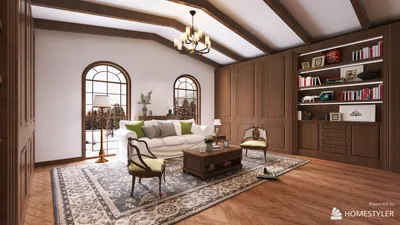


Throughout my experience planning and redesigning numerous multipurpose halls situated near transit points, Kurla Railway Hall stands out as a case in point. Its robust structure, potential for high foot traffic, and the requirement for meticulous planning all contribute to creating an inviting atmosphere. The primary objective is to convert available space into a positive guest experience—ensuring clear lines of sight, logical circulation routes, comfortable acoustics, and flattering lighting that enhances both aesthetics and functionality. The guidelines set by the International WELL Building Institute’s WELL v2 suggest that for gathering spaces, ideal ambient lighting should fall between 100–300 lux, with increased task lighting when needed. By aligning your lighting strategy within these parameters, you can minimize eye strain while enhancing the overall experience. Research from Steelcase also indicates that straightforward navigation and access to basic comforts rank highly among the factors influencing occupant satisfaction in communal areas, which highlights the importance of a well-thought-out space layout. Additionally, using tools like Homestyler can help streamline this process effectively.
In terms of capacity planning, I adopt conservative density ratios. For standing receptions, the optimal space is approximately 0.6–0.8 square meters per person, banquet rounds occupy about 1.2–1.4 square meters for each individual, while theater seating typically requires 0.5–0.6 square meters per person when adhering to egress codes. Studies by Gensler demonstrate that being in close proximity to transit significantly enhances attendance and punctuality; consequently, for events hosted near prominent rail lines, incorporating a 10–15 minute arrival buffer is wise to accommodate train schedules. Ergonomics research from Herman Miller reveals correlations between seat height (43–46 cm), appropriate lumbar support, and aisle widths (a minimum of 90 cm, ideally 120 cm in busy zones) with notable improvements in comfort and movement.
Evaluate the Structure: Dimensions, Access, and Amenities
Begin by confirming the hall’s discernible dimensions (length, width, and any column placements), floor load capability for stages and equipment, and access points in relation to Kurla station’s main approach. If the hall features multiple doors, designate one as an entrance and another as an exit to optimize flow; register attendees 3–5 meters inside the entrance to minimize congestion at the entrance. Verify power supply specifications (amperage and distribution), ceiling height (considering rigging or projection angles), HVAC service area, and restroom facilities based on anticipated attendance.
Effective Layout Scenarios
For versatile halls, I generally create three primary layout options: theater, banquet, and workshop groupings. In a theater configuration, ensure that straight aisles (90–120 cm) lead directly to exits, allowing at least a 1-meter gap behind the final row for circulation. For banquet rounds with tables sized between 152–183 cm, it’s essential to maintain a distance of 1.8–2.0 meters between table centers to facilitate service routes. Workshops benefit from clusters of 6–8 individuals with a central collaboration corridor. Should you need to iterate swiftly, utilizing a room layout tool, such as Homestyler, can assist in visualizing seating density, stage sightlines, and service paths efficiently.
Stage Configuration, AV, and Sightline Considerations
Position the stage on the shorter wall if the hall is elongated—this enhances projection throw distance and fosters a natural central aisle. Keep the stage height between 45–60 cm for audiences up to 200; increase to 76 cm only if the hall’s depth necessitates it. Ensure a vertical viewing angle of 7–10 degrees towards the screen center. Allocate 1.2 meters of side clearance for backstage movement. If there are columns, stagger seating arrangements so that no one is directly behind a column; a minor chevron arrangement in theater rows can optimize both sightlines and acoustic performance.
Lighting: Layered, Comfortable, and Camera-Ready
I advocate for a tri-layered lighting approach: ambient (100–300 lux), task (200–500 lux at podiums/registration), and accent (2700–3000K warm for dining or 3500–4000K neutral for discussions). These lighting levels comply with the recommendations from the Illuminating Engineering Society (IES) for multipurpose venues. Employ dimmable circuits to transition smoothly from presentations to dining without the need to reset fixtures. To avoid glare, angle fixtures away from the audience and incorporate diffusers. If recordings are anticipated, maintain vertical illumination on faces at around 150–250 lux, with a CRI of 90+ to ensure natural skin tones.
Acoustics: Control the Space Rather Than Just Volume
Sites adjacent to railways necessitate strict noise management. Incorporate soft finishes such as fabric backdrops behind the stage, carpeting or modular rugs in main pathways, and acoustic wall panels (NRC 0.6–0.8) installed on at least two non-opposite walls to mitigate flutter echo. Opt for cardioid microphones to lessen off-axis noise from the station; position PA speakers closer to the front rows to diminish overall sound pressure levels (SPL). In cases where the hall features a significant height and hard surfaces, consider using portable ceiling baffles in primary reflection zones above the audience’s mid-depth.
Color and Ambiance: Adapt to the Event, Adjust the Color Scheme
For professional meetings, it’s best to utilize neutral tones (soft gray, stone, muted taupe) with a single bold accent; blues and greens are often interpreted as focused and serene, resonating with color psychology research that associates blue with reliability and green with equilibrium. For festive events, warm whites (2700K), amber uplighting, and soft desaturated pinks create a sense of intimacy. Ensure that backdrops have a matte finish to prevent glare on cameras, and incorporate textures (linen, wood laminates, felt) to introduce richness without visual chaos.
Furniture and User Experience
Chairs with seat heights of 43–46 cm, equipped with backs and some contoured support, will greatly enhance attendee comfort during sessions exceeding 45 minutes. For banquet arrangements, maintain 1.2–1.5 meters between table edges along service pathways. Cocktail setups yield optimal results with table heights of 105–110 cm and perches at 76 cm for brief rests. Registration counters should be positioned at 91–106 cm, with an ADA-compliant section around 76–86 cm. If luggage is anticipated due to arrivals from the railway, allocate a monitored baggage area near the entrance, away from main pathways.
Flow and Crowd Management
Establish a clear circulation loop: entrance → registration → main floor → amenities → exit. Ensure primary corridors are at least 1.5 meters during busy periods and never narrower than 1.2 meters. During peak arrivals, staff registration in pairs (check-in + issue resolution) to minimize queue times. Signage at decision points should be legible from at least 10 meters (with a letter height of approximately 5 cm) and duplicated at both eye level and overhead. For intermissions, open all doors to expedite exits and then designate one for entry for the next segment.
Electrical, Data, and Safety Considerations
Map out power distribution as a grid: ensure at least one 16–20A circuit for every 20–25 attendees in device-heavy workshops, dedicate isolated circuits for AV, and have a dedicated line for catering warmers. Secure your cable runs with gaffer tape and ensure that all crossings are covered by protective ramps. Stage power should operate on a separate circuit to eliminate audio hum. Confirm that fire exits are unobstructed and clearly visible; maintain a 1 meter clearance around extinguishers and electrical panels.
Catering and Back-of-House Traffic
Ensure a separation between food preparation and guest pathways. Whenever possible, implement double-sided buffet lines to reduce waiting time. Position water stations at the room’s edges to avoid congestion in the aisles. If the hall shares service access with the main building, create a back corridor partitioned with pipe-and-drape for tray runs, aiming for a minimum width of 1.2 meters on these routes.
Sustainability and Material Selections
Rent modular and adjustable staging and furniture to minimize waste. Opt for LED lighting (90+ CRI, dimmable) and reusable fabric backdrops. When dressing walls, consider low-VOC paints or temporary fabric panels. Limit single-use items; swap plastic bottles with water dispensers and utilize compostable cups where local waste systems allow.
Preparation Timeline and Staffing
For a mid-sized event (150–250 guests), I allocate 4–6 hours for loading in and setup, 1 hour for AV checks, and 30 minutes for briefing door staff. During the event, appoint one floor manager for every 100 attendees to ensure prompt responses. After closing, plan for 2–3 hours for breakdown and cleanup, allowing for longer if the setup is intricate.
Budgeting Guidelines
Allocate approximately: 20–30% for catering, 15–25% for AV and lighting, 10–15% for furniture and staging, 5–10% for decor, and maintain a 10% contingency reserve. Should budget cuts be necessary, prioritize acoustic treatments and lighting due to their significant impact on perceived quality.
Quick Planning Resources
- A scaled floor plan encompassing all fixed elements (columns, doors, panels).
- A capacity calculator applying conservative ratios of square meters per person.
- A lighting scheme detailing ambient and task zones, dimmable segments, and color temperature goals.
- An acoustic toolkit including panels, drapes, rugs, and types of microphones.
- A room design visualization tool, like Homestyler, to convey layout scenarios.
When considering light levels and occupant health, I reference the WELL Building Standard guidelines (WELL v2), which includes suggestions for visual comfort and light quality. For ergonomic seating considerations during events, the research library from Herman Miller provides valuable dimensions and insights into posture suitable for extended seating durations.
FAQ
1) What is the recommended safe seating capacity for a medium-sized hall near Kurla station?
Apply 0.5–0.6 sqm/person for theater seating, and 1.2–1.4 sqm/person for banquet settings. Always consult the facility manager to verify fire code exit widths and maximum occupancy.
2) What is the ideal brightness for the hall during talks versus dining?
Aim for an ambient light level of 200–300 lux for talks, with task lighting at the podium reaching approximately 300–500 lux. For dining events, reduce ambient light to around 100–150 lux, accompanied by warm accent lighting. These ranges align with the WELL and IES guidelines for visual comfort.
3) What strategies can mitigate railway noise that enters the hall?
Incorporate noise-absorbing panels (NRC 0.6–0.8), seal gaps around doors to close them off, utilize cardioid microphones, position speaker arrays closer to the audience at moderate volumes, and soften hard surfaces with rugs and drapery.
4) What aisle widths are optimal for smooth circulation?
Designate 90–120 cm for seated-row aisles, 120–150 cm for main corridors, and over 150 cm for bidirectional flows during peak traffic periods, such as intermissions or exits following events.
5) Which chair specifications help alleviate fatigue during extended sessions?
Look for chair heights of 43–46 cm, supportive backs with slight lumbar curvature, and a minimum seat width of 45–47 cm. Ensure that knee-to-back clearance in rows is at least 30–35 cm.
6) What color temperatures produce optimal results on camera?
Neutral white light around 3500–4000K for presentations ensures natural skin tones. Maintain a CRI of 90+ and vertical face lighting around 150–250 lux for clear video capture.
7) How should the stage and screen be configured?
Position the stage against the shorter wall, keeping stage height between 45–60 cm for shallow rooms, preserving a gentle 7–10 degree angle to the screen center, and leaving 1.2 meters of clearance on the stage sides.
8) What methods can help lessen waiting times at registration?
Set the registration area 3–5 meters inside the entrance, have staff in pairs for check-in and issue resolution, enable pre-printed badges or QR scans, and ensure clear signage at an overhead level visible from around 10 meters.
9) What is the quickest way to experiment with different layouts?
Utilize an interior layout planner, such as Homestyler, to visualize seating density, service routes, and sightlines before moving any furniture on-site. This approach saves time and minimizes the need for adjustments.
10) How should I plan power requirements for device-intensive workshops?
Plan for one 16–20A circuit for every 20–25 seats, keep AV equipment on isolated circuits, and cover all crossings with protective cable ramps. Clearly label circuits to prevent overloads.
11) Are there any sustainability initiatives that will be visible to guests?
Implement LED lighting, reusable fabric decor, water dispensers in place of bottles, and compostable serviceware (when local waste management permits). Ensure these eco-friendly choices are highlighted with signage near relevant stations.
12) How much setup time should be allocated?
For events accommodating 150–250 guests: allot 4–6 hours for load-in and staging, 1 hour for AV checks, and 30 minutes for staff briefings. Additional time may be necessary for complex decor setups or rigging.
- Refer to the WELL Building Standard v2 for recommendations related to visual comfort and lighting.
- Consult Herman Miller studies for ergonomics and comfort factors relevant to seating in shared environments.
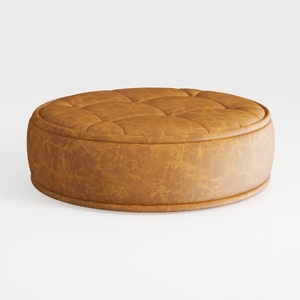
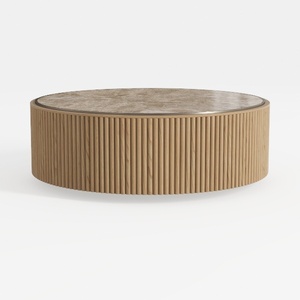
Round Coffee Table with Storage,Fluted Lift Up
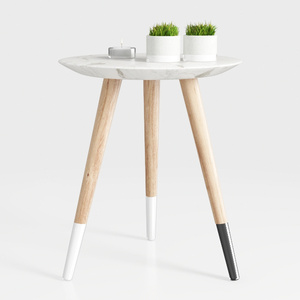
Modern Marble Top Solid Wood Legs Side End Table 3D Model
Homestyler is your go-to online home design platform! With its user-friendly design tool, stunning 3D renderings, and a wealth of DIY video tutorials, you can effortlessly create your dream space. Explore diverse design projects that inspire creativity, making home design easy and enjoyable!
تصميم الآن مجانا
































