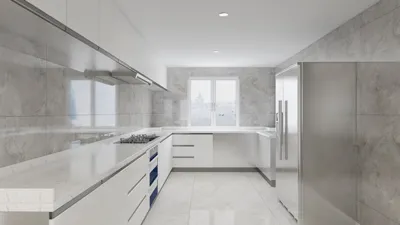


Optimizing a manufacturing floor layout involves minimizing material travel distances, eliminating production bottlenecks, and enhancing worker transitions between stations. Successful layouts emphasize seamless flow, well-defined zones, and adaptable workspaces that can evolve with changing production demands, especially when utilizing tools like Homestyler.
Simple modifications such as rearranging storage locations, altering machine spacing, or changing workflow directions can greatly boost manufacturing productivity without the need for facility expansion.
Developing an effective shop floor layout is only the initial step. While initial designs might appear logical on paper, practical production often reveals inefficiencies like excessive walking distances for workers, material congestion near equipment, and persistent bottlenecks at certain stations.
Refining a shop floor layout ensures smoother operation flow. My experience designing various production environments, from small workshops to large assembly lines, has shown that minor adjustments can lead to substantial improvements in efficiency.
Many teams begin by using digital floor planning platforms such as Homestyler to create the initial layout sketches. This digital foundation facilitates visualization and testing of workflow alterations without disrupting ongoing manufacturing.
This article outlines actionable strategies to elevate shop floor layouts, reduce unnecessary motions, and enhance production streams, supported by proven layout methodologies.
Even layouts that seem well-constructed may conceal inefficiencies that only surface during actual production. Such challenges usually result from evolving manufacturing needs, including shifts in machinery, production types, and temporary fixes becoming permanent hurdles.
Research by the Lean Enterprise Institute highlights that transportation and motion wastes rank among the prevalent inefficiencies in manufacturing setups, frequently caused by suboptimal layout configurations.
Typical hidden problems include ineffective workflow paths, poorly placed equipment causing delays, and inconsistent workstation arrangements. Addressing these can often increase throughput without additional labor or machinery.
Bottlenecks generally occur where materials accumulate or await processing rather than at the machines themselves. Understanding this distinction is vital for effective layout optimization.
It's a common misconception that the slowest machine is the bottleneck; however, issues often arise from how materials are delivered to or removed from that machine.
When reviewing layouts, indicators such as material wait times, congestion in transit routes, and overloaded stations are red flags signaling bottlenecks.
A practical method during layout assessments involves tracing material flow paths and timing transition intervals to pinpoint friction points.
Improving efficiency involves establishing a defined directional flow that reduces backtracking of materials and personnel, a principle often verified using digital platforms like Homestyler.
Observations reveal that repeated backward movements or crisscrossing in corridors significantly impair productivity.
Enhancements commonly include reorganizing production sequences, consolidating related processes, and optimizing workstation positioning to support continuous flow.
Testing various zoning configurations through interactive 3D floor planners enables teams to detect congestion and ineffective spacing before implementing physical changes.
Digital tools such as Homestyler facilitate these simulations, uncovering unexpected layout challenges effectively.
Previously, layout changes involved manual redrawings or physical rearrangements, but now digital planning software accelerates experimentation with multiple configurations.
Strategies for testing include adjusting aisle widths, rotating workstations, and simulating traffic paths to evaluate flow improvements digitally.
Even slight adjustments can lead to meaningful enhancements in production efficiency without costly reconfiguration.
Minimizing travel distances is a straightforward metric to track and optimize, with direct impact on time, energy, and operational costs.
Reducing the distance workers or forklifts traverse by 20 to 30 percent has proven to uplift throughput dramatically in real-world factory redesigns.
Common tactics to slash movement waste involve relocating storage close to workstations, grouping consecutive processes tightly, and designing clear circulation routes.
Dynamic layout planning environments help visualize these adjustments in advance to ensure effective implementation.
The essence of effective shop floor layout optimization lies in emphasizing material and worker flow rather than just spatial occupancy. Aligning machines sequentially, curtailing travel distances, and mitigating bottlenecks significantly raise efficiency levels.
Digital simulations aid in identifying and validating layout enhancements before investing in costly physical realignments, underscoring their value in modern manufacturing planning.
A straightforward evaluation checklist streamlines the identification of layout improvements, enabling prompt action by manufacturing teams.
Key checklist items include verifying clear production flow, minimizing backtracking, ensuring adequate workstation spacing, and maintaining logical material storage placement.
If multiple criteria are unmet, it suggests latent opportunities for layout optimization.
Optimizing shop floor layouts for efficiency involves focusing on reducing material transport distances, sequencing machines properly, and removing operational chokepoints between workstations.
The most productive layouts are characterized by unidirectional material flow with minimal reversals or cross-traffic, fostering a streamlined manufacturing process.
Material movement can be curtailed by clustering related operations, positioning storage strategically near production lines, and establishing designated transport corridors.
Bottlenecks frequently develop where materials accumulate between machines, especially when workstations or storage zones are poorly arranged.
Digital tools like Homestyler empower teams to experiment with various layout arrangements virtually, analyzing potential workflow improvements prior to physical implementation.
Regular review of manufacturing layouts, ideally annually or in response to process changes, helps maintain optimal operational efficiency.
Optimizing layouts doesn't always necessitate moving heavy machinery; often moving storage, rotating workstations, or adjusting traffic paths suffices.
Frequent pitfalls in floor layout planning include neglecting workflow direction, placing storage distant from production, and allowing pedestrian paths to intersect forklift routes, which can be avoided through careful planning.

DEVAISE Electric Standing Desk, 55 X 28 Inches
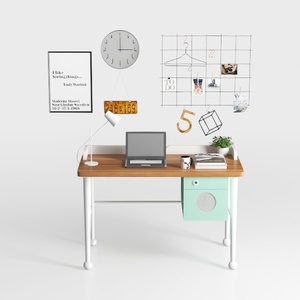

Modern Solid Wood Metal Office Desk With Storage Cabinet 3D Model

Monarch Specialties I 7629 Computer Desk, Home Off
Homestyler offers an easy-to-use online design tool packed with stunning 3D renderings, inspiring interior projects, and helpful DIY video tutorials. It’s perfect for anyone looking to create and visualize beautiful home designs effortlessly.
지금 무료로 디자인하세요
































