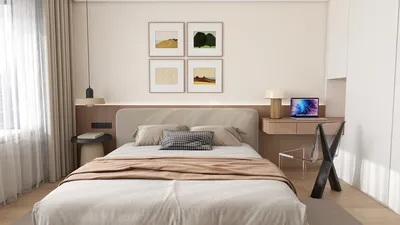


Optimizing lighting with oversized lamp shades requires selecting high-lumen bulbs, choosing shade materials that reflect light effectively, and integrating layered lighting approaches. Large shades tend to diffuse light, so compensating with bulb quality, strategic positioning, and ambient lights is essential for maintaining brightness and energy efficiency.
When these elements are harmonized, big decorative lamp shades can provide a cozy ambiance without compromising light intensity or power consumption.
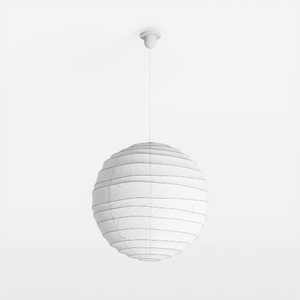
Having crafted lighting designs for over ten years, I confidently note that while large lampshades make elegant décor statements, they often introduce lighting challenges. Homeowners may find that a stunning, oversized shade unexpectedly dims the room upon activation.
This phenomenon occurs because larger shades absorb and scatter more light compared to smaller ones. Without adjusting the bulb type, shade material, or supplementary lighting, the overall illumination can significantly drop.
In my practice, I emphasize three aspects for optimizing large lampshade lighting: managing diffusion, maximizing lumen output, and layering multiple light sources to preserve both style and functionality.
For those planning dramatic lighting installations, using an interactive room planner—such as Homestyler—can help visualize lighting effects before finalizing fixture selections.
Oversized lampshades naturally soften light, enhancing mood but decreasing the usable brightness. Many people mistakenly believe bigger lamps emit stronger light, yet wider shades disperse illumination across a larger area, reducing intensity.
In several living room projects, clients select broad drum shades for their sculptural aesthetic. However, if the shade's interior does not reflect light well, the lamp’s output becomes muted.
Lighting experts indicate that perceived brightness depends on more than just lumens; reflective and diffusing surfaces play a crucial role. Large shades accentuate this effect, often diminishing brightness if materials absorb too much light.
For oversized shades, LED bulbs with high lumen output and broad beam angles perform optimally, ensuring sufficient illumination throughout the space.
A common error is pairing large shades with low-output decorative bulbs, which may look attractive but fail to function adequately.
LED technology is particularly advantageous because it prevents overheating—an issue with enclosed large shades—and maintains consistent brightness.
Large lamp shades work best as components of ambient lighting systems and should not be the sole light source in a room.
Many rooms appear dim because they rely exclusively on an oversized lamp for illumination, neglecting the need for layered lighting solutions that include task and accent lights.
A well-balanced lighting design integrates multiple layers, such as ambient, task, and accent lighting, creating a comfortable and visually appealing environment.
Using 3D floor plan visualizers like Homestyler can assist in testing and adjusting the interplay of diverse light sources before installation.
Shade material profoundly impacts brightness, with some fabrics and colors reducing light by up to 50%. Two shades of identical shape may differ greatly in light output due to their fabric properties.
Interior designers often prefer white or metallic linings for shade interiors because they reflect more light downward rather than absorb it, thus enhancing brightness.
A layered lighting strategy protects against oversized lampshades overpowering the visual balance of a room, while sustaining adequate illumination levels.
Successful living spaces frequently employ three distinct lighting zones to keep the large shade’s aesthetic boldness without sacrificing comfort.
Homeowners can preview this balance through interactive visual tools like Homestyler, which simulate lighting effects within interior designs prior to fixture installation.
Energy-efficient lighting with big shades hinges on the use of high-efficiency LED bulbs and interiors that reflect rather than absorb light.
Stronger bulbs alone do not solve diffusion losses caused by large shades; instead, prioritizing efficient, well-placed lighting yields better results while conserving power.
According to US energy data, LED bulbs consume about 75% less electricity than incandescent variants and last far longer, making them suitable for lamps with large or semi-enclosed shades.
To maximize lighting efficiency with large shades, combine bright LED bulbs, reflective shade materials, and a layered lighting system that distributes brightness evenly throughout the space.
Large lampshades do reduce brightness due to light absorption and diffusion; compensating with higher-lumen bulbs mitigates this effect.
The ideal bulbs for large shades are LEDs that provide between 800 and 1600 lumens, featuring wide beam angles to spread light effectively.
Optimizing lighting with oversized lamp shades involves pairing high-output LEDs, reflective interior materials, and supplementary ambient and task lighting.
Darker shade fabrics absorb more light, decreasing brightness, whereas white or metallic liners boost reflected light and enhance illumination.
Glare can occur with some large shades, but using frosted LED bulbs helps diffuse light evenly, preventing harsh spots from bare bulbs.
Oversized lampshades are excellent for living areas, providing a striking focal point and warm ambient light when integrated into layered lighting schemes.
Recommended lumen levels for lamps with large shades typically range from 800 to 1600 lumens, adjusted for room size and other light fixtures.
LED lighting excels with large decorative shades, delivering high brightness while producing less heat, which protects fabric or enclosed fixtures.


Homestyler is an easy-to-use online home design platform offering powerful 3D rendering tools, a vast collection of interior design projects, and helpful DIY video tutorials. It’s perfect for turning your home design ideas into stunning, realistic visuals quickly and effortlessly.
立即免费设计
































