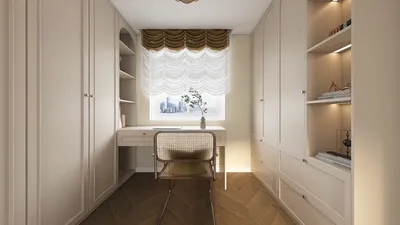


In my design experience, I learned a valuable lesson when I installed a large chandelier in a 10 x 12 dining nook at a client's request, believing it would serve as "statement furniture". While it indeed added drama to the space, the dining table remained overshadowed. This experience emphasized the importance of both lumens and layout, as visualizing the space can prevent headaches and reduce the need for multiple trips back to the store. Early layout visualization offers insights on how light interacts within a 120 sq ft area, which is crucial for effective design.
1. Quick Calculation: How many lumens are necessary?
My calculations always start with the dimensions: a 10 x 12 room measures 120 sq ft. For optimal ambient lighting in a dining area, I target a range of 20–30 lumens per sq ft, culminating in a total of approximately 2400–3600 lumens. This range allows for a cozy, dimmable ambiance or a brighter, more functional atmosphere, depending on your preferences.
save pin
2. Layered Lighting: Ambient, Task, and Accent
I advocate for a multi-faceted approach to lighting: ambient lighting (such as ceiling fixtures or recessed options), task lighting (pendants directly over the table), and accent lighting (wall sconces or adjustable spotlights). Specifically for the dining table, plan for an extra 600–1200 lumens directly targeted at the surface, ensuring flattering light for both plates and faces without creating glare.
save pin
3. Selecting Fixtures and Their Placement
In compact rooms, it's essential to pay attention to proportions. Often, a single medium pendant or a low-profile chandelier placed directly above the table works best. For longer tables, consider a linear pendant or a cluster of pendants arranged in a row. I have successfully used grouped pendants in narrow dining areas to distribute light evenly. Maintain a height of about 30–36 inches above the table for standard ceiling heights.
save pin
4. Understanding Color Temperature and CRI
I tend to prefer warm white lighting (2700–3000K) for dining areas, as it enhances skin tones and makes meals look more appetizing. Striving for a Color Rendering Index (CRI) of 90+ is advisable, as it significantly improves the accuracy of color representation at the dining table. Dimmers are invaluable in this context, allowing for a smooth transition between bright task lighting and a more subdued dinner-party vibe.
save pin
5. Overcoming Challenges and Budgeting Solutions
In a 10 x 12 room, oversized or improperly placed fixtures can lead to glare and unwanted shadows. A strategy I recommend for budget-friendly solutions is to pair a moderate ambient fixture with a quality pendant and a dimmer. This combination typically falls within the 2400–3600 lumen range without the need for a large, expensive statement piece. Before final decisions, I utilize realistic lighting previews in design software, like Homestyler, to ensure clients are not surprised by the installation results.
save pin
FAQ
Q1: What’s the method for calculating total lumens for my 10 x 12 dining space?
A: You would simply multiply the area (120 sq ft) by the desired lumens per sq ft, aiming for 20–30. Thus, 120 x 20 equals 2400 lumens for a softer ambiance and 120 x 30 equals 3600 lumens for a brighter environment.
Q2: Should I rely on footcandles or lumens for my lighting choices?
A: Footcandles measure light intensity on a surface and can be more intuitive for task-oriented lighting, whereas lumens account for the total light output. I typically use lumens for fixture selection and footcandles for precise surface lighting needs.
Q3: At what height should pendants be installed above the dining table?
A: A common guideline is to hang pendants 30–36 inches above the tabletop for ceilings ranging from 8 to 9 feet. Adjust this height accordingly for taller ceilings or when using layered fixtures.
Q4: What is the most suitable color temperature for dining lighting?
A: The warm white range of 2700–3000K is optimal for dining spaces, as it enhances skin tones and makes food more appealing. I suggest using dimmable LED fixtures in this color range for added flexibility.
Q5: Is it essential to use high CRI bulbs?
A: Yes—bulbs with a CRI of 90+ will render colors more accurately, which is crucial for both culinary presentation and the decor. It’s a minor upgrade that yields significant improvements in visual quality.
Q6: How much illumination should be directed overhead for the table?
A: You should aim to have 600–1200 lumens concentrated over the tabletop, depending on the size of the table and whether you prefer task-oriented or ambient lighting.
Q7: Are there authoritative sources for lighting level recommendations?
A: Absolutely. The Illuminating Engineering Society (IES) provides guidance on recommended footcandle levels for various rooms, and for dining areas, these recommendations typically correlate with the lumen ranges I mentioned (refer to the IES Lighting Handbook for details).
Q8: How can I visualize lighting before installation?
A: I always create mock-ups of fixtures using design models and utilize rendering tools, especially with platforms like Homestyler, to generate realistic lighting previews, which helps avoid surprises and confirm your lumen and fixture selections prior to purchase.
save pin
Looking to transform your home effortlessly? Homestyler is your go-to online design platform! With its user-friendly design tool, stunning 3D renderings, and a wealth of DIY video tutorials, you can create and visualize your dream space in no time. Dive into your design journey today!
Design Now for FREE
































